Ordering HDPE pipe based only on its size is one of the most common specification mistakes on construction and irrigation projects in Pakistan. Two pipes may have the same outer diameter and look almost identical, yet their pressure ratings can differ significantly, with one handling less than half the working pressure of the other. When people search for HDPE pipe pressure rating explained in simple terms, they are essentially asking: how can I make sure the pipe can safely handle the pressure my system will actually generate?
This guide breaks down PN ratings and SDR — the two numbers that actually determine a pipe’s pressure capacity — for HDPE and PPRC pipe, and shows how to use them correctly when specifying a project.
These figures are typical reference points for PE100-grade HDPE pipe and can vary slightly by manufacturer and specific standard (such as ISO 4427). Always confirm the exact PN/SDR combination and resin grade printed on the pipe against your project’s actual pressure requirement, rather than assuming based on pipe diameter or general size class alone.

What Pipe Pressure Rating Actually Means
A pipe’s pressure rating is the maximum internal pressure it can safely withstand on a continuous basis, at a reference temperature of 20°C, without failing or deforming over its expected service life. This isn’t a burst-test number with no safety margin — it already accounts for long-term material behavior, since plastic pipe can fail gradually under sustained pressure even when it survives a short-term pressure spike. For a contractor or buyer, the pressure rating is the single most important spec after material type, because it determines whether a pipe is safe for a given pump’s output pressure, a given building’s height (and therefore static head), or a given industrial process line.Understanding PN Ratings: PN6 to PN25 Explained
PN stands for “Pressure Nominal,” and the number after it is the pipe’s rated working pressure in bar at 20°C. A PN10 pipe is rated for 10 bar; a PN16 pipe for 16 bar, and so on. This is the figure most buyers already recognize, and it’s the number to match directly against your system’s expected operating pressure — including any pressure spikes from pump start-up (water hammer), not just steady-state flow. Common PN ratings seen in the Pakistani market include PN6, PN8, PN10, PN16, PN20, and PN25, with higher numbers reserved for higher-pressure municipal, industrial, and process applications.What Is SDR and How It Relates to PN Rating
SDR (Standard Dimension Ratio) is the ratio of a pipe’s outside diameter to its wall thickness. It’s the dimensional figure that actually produces a given PN rating for a specific material grade — in other words, SDR is the “how,” and PN is the “what.” The relationship is inverse: a lower SDR number means a thicker wall relative to the pipe’s diameter, which produces a higher pressure rating. A higher SDR number means a thinner wall and a lower pressure rating. SDR 11 pipe, for example, has a thicker wall and higher pressure capacity than SDR 17 pipe of the same diameter and material grade. Why does this matter to a buyer who isn’t doing the engineering calculation themselves? Because SDR is often printed on the pipe alongside the PN rating, and knowing that a lower SDR number means a stronger pipe lets you sanity-check a delivery on site, even without a chart in hand.PE63, PE80, PE100: Material Grade Also Affects Pressure Capacity
PN rating and SDR alone don’t tell the full story — the polyethylene resin grade matters too. HDPE pipe is manufactured from PE63, PE80, or PE100 grade resin, with the number indicating the material’s long-term strength classification. For the same SDR, a PE100 pipe achieves a higher PN rating than a PE80 pipe, because the resin itself has greater long-term hoop strength. This is why two pipes with the same wall thickness relative to diameter can still carry different pressure ratings — always check the resin grade stamped on the pipe alongside the PN and SDR figures.PN Rating Reference Table for HDPE Pipe
| PN Rating | Max Pressure (bar, at 20°C) | Typical SDR (PE100) | Common Application |
| PN6 | 6 bar | SDR 26 | Low-pressure irrigation, gravity/drainage lines |
| PN8 | 8 bar | SDR 21 | General agricultural water supply |
| PN10 | 10 bar | SDR 17 | Housing society water supply, tube well rising mains |
| PN16 | 16 bar | SDR 11 | Higher-pressure municipal and industrial supply lines |
| PN20–PN25 | 20–25 bar | SDR 9 / SDR 7.4 | High-pressure industrial process piping |
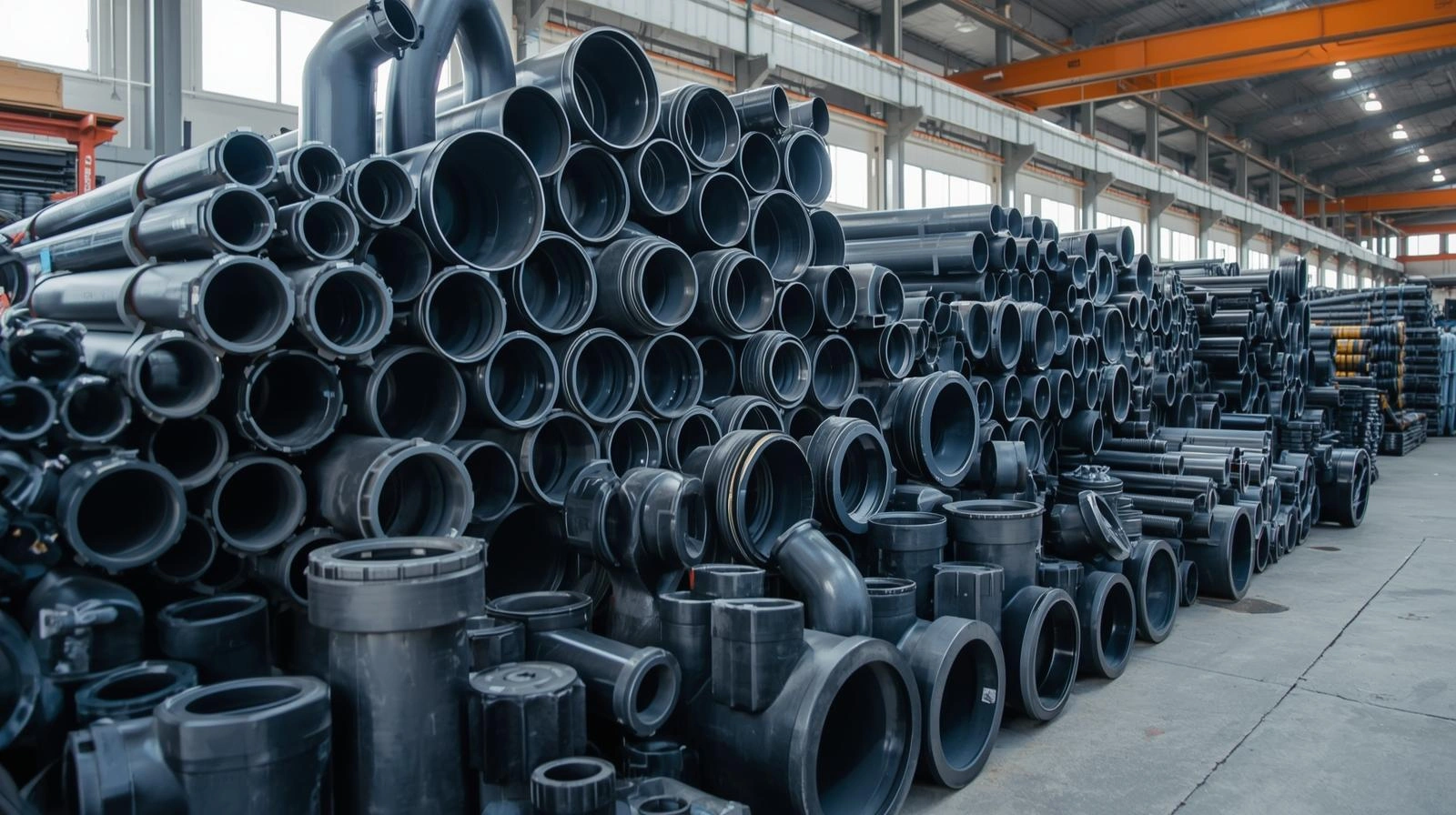
HDPE Pipes & Fittings
NewTech Pipes · HDPE Piping Systems
Explore NewTech’s HDPE Pipes & Fittings and review PN ratings, SDR, material grades, and technical specifications before use.
View Product