Author name: NewTech-Pipes

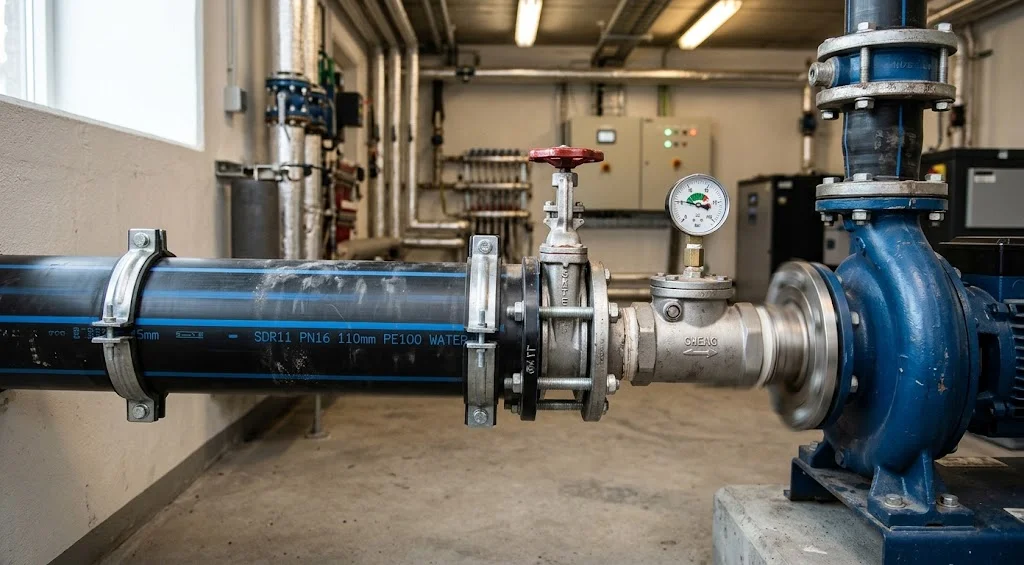
HDPE pipeline with pump, check valve and pressure gauge illustrating water hammer in pipes

Water Hammer in Pipes: Why Plumbing Bangs and How Layout and Pipe Choice Help

You close a tap and the wall bangs. Or you switch off the pump and hear a loud thud in the rising main. That sound is water hammer in pipes, and it is more than an annoying noise. Repeated pressure shocks can loosen supports, damage valves, and shorten the life of a plumbing system. This

Water Hammer in Pipes: Why Plumbing Bangs and How Layout and Pipe Choice Help Read More »
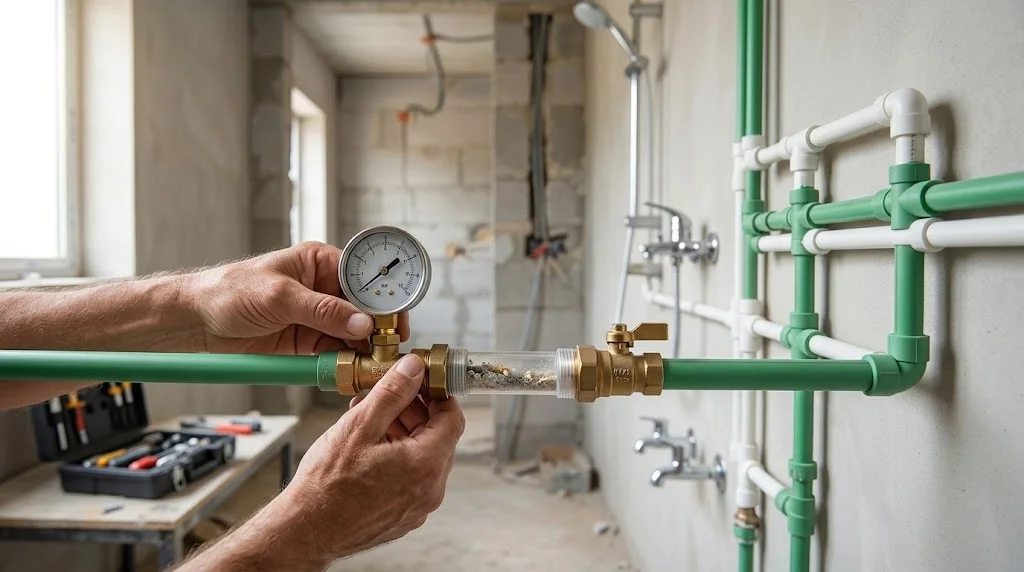
Low water pressure in house plumbing being checked with a pressure gauge on a new pipe installation

Low Water Pressure in House? Pipe-Related Causes in a New Build and How to Diagnose Them

You move into a new house, turn on the shower, and get a weak trickle. The plumbing is brand new, so it should work perfectly. In reality, low water pressure in house plumbing is common in new builds, and the cause is often inside the pipes: wrong size, restrictive fittings, leftover debris, or a joint

Low Water Pressure in House? Pipe-Related Causes in a New Build and How to Diagnose Them Read More »

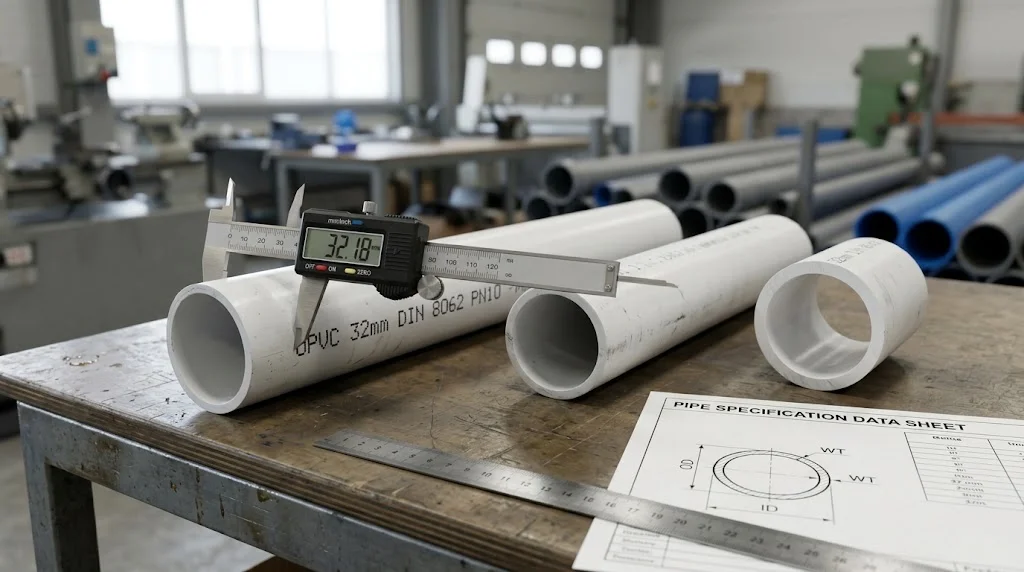
PVC pipe nominal diameter comparison using a digital caliper to measure actual outside diameter

PVC Pipe Nominal Diameter Explained: Why a 1-Inch Pipe Is Not 1 Inch

You ask for a one-inch PVC pipe, measure it, and the pipe is not one inch wide anywhere. This confuses plumbers, contractors, and buyers every day. The reason is simple. PVC pipe nominal diameter is a name for the size, not a real measurement. This guide explains actual vs nominal pipe size, how inch and

PVC Pipe Nominal Diameter Explained: Why a 1-Inch Pipe Is Not 1 Inch Read More »

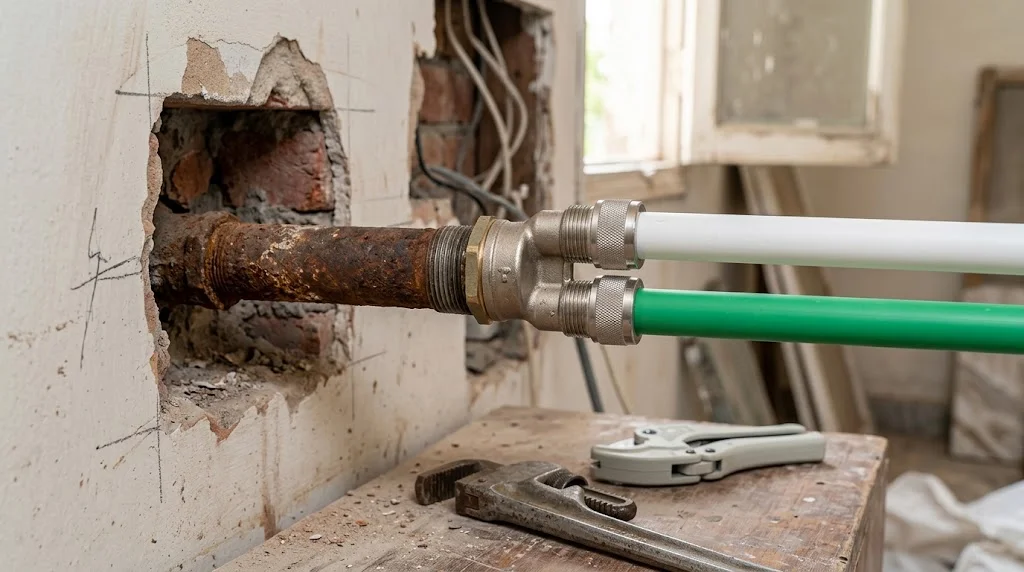
Convert GI pipe to UPVC or PPRC using suitable metal-to-plastic plumbing adapters

How to Convert GI Pipe to UPVC or PPRC: A Step-by-Step Renovation Guide

Many older homes and buildings in Pakistan still run on galvanised iron (GI) pipe. Over the years, GI rusts on the inside, scales up, and starts to leak at its threaded joints. If your taps run slowly, the water looks brown, or plumbers keep coming back for repairs, it may be time to convert GI

How to Convert GI Pipe to UPVC or PPRC: A Step-by-Step Renovation Guide Read More »

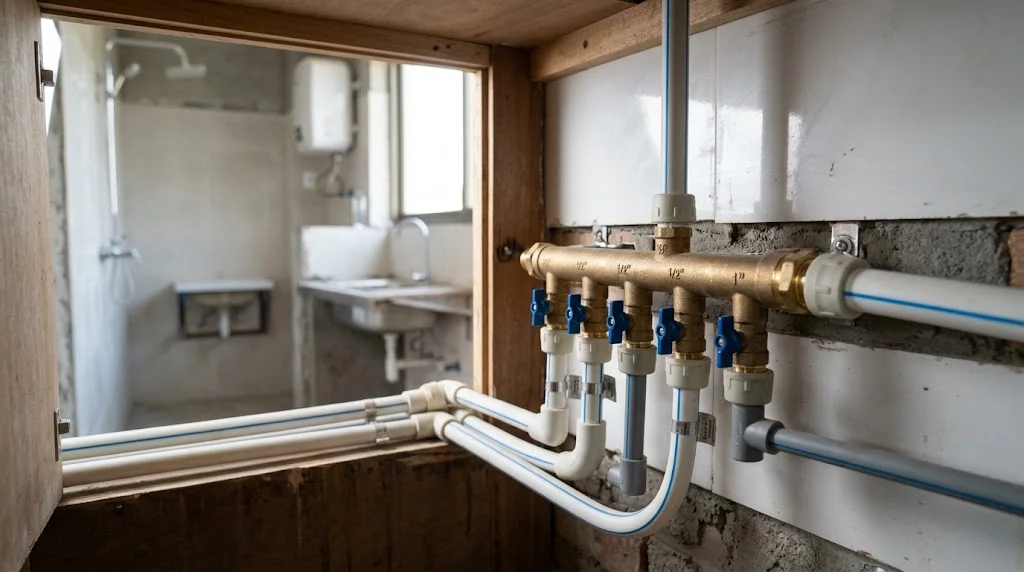
Pipe manifold system distributing water through separate PPRC lines to household fixtures

Pipe Manifold System Explained: What It Is and When to Use It in Plumbing

Most plumbing jobs in Pakistan follow the same pattern: one main pipe runs through the house and tees off to each bathroom and kitchen. It works, but it also hides many joints inside walls and makes a single leak hard to isolate. A pipe manifold system offers a different layout. It sends a separate line

Pipe Manifold System Explained: What It Is and When to Use It in Plumbing Read More »

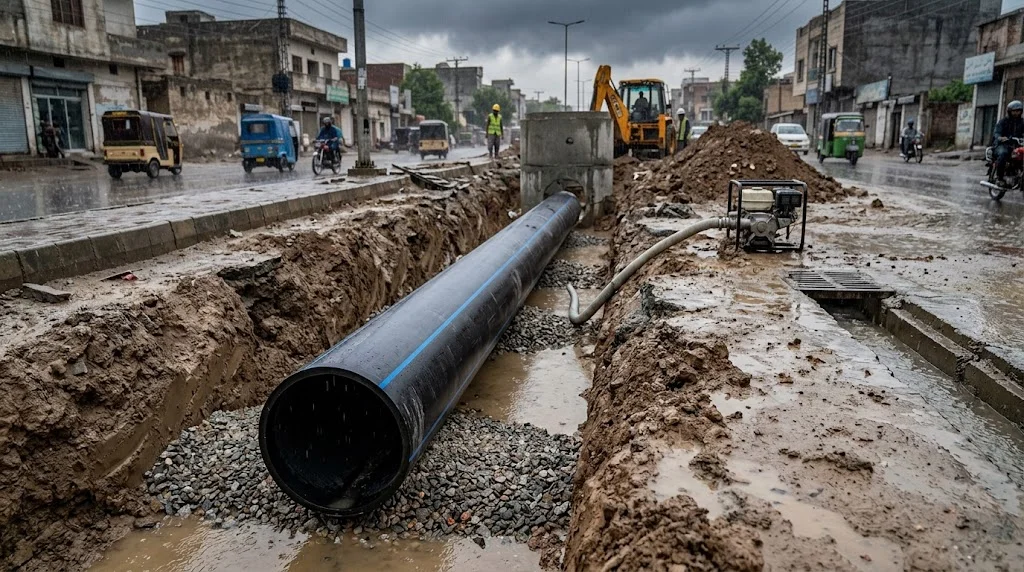
Monsoon drainage pipe Pakistan installation in a wet underground drainage trench

Monsoon Drainage Pipe Pakistan: How Heavy Rain Affects Underground Pipes and How to Protect Them

Every monsoon, the same pictures appear: flooded streets, overflowing manholes, and water standing in lanes for days. When people look for a monsoon drainage pipe Pakistan can rely on, they are often asking two questions. Why do underground drains fail in heavy rain, and what can be done about it? The honest answer is that

Monsoon Drainage Pipe Pakistan: How Heavy Rain Affects Underground Pipes and How to Protect Them Read More »

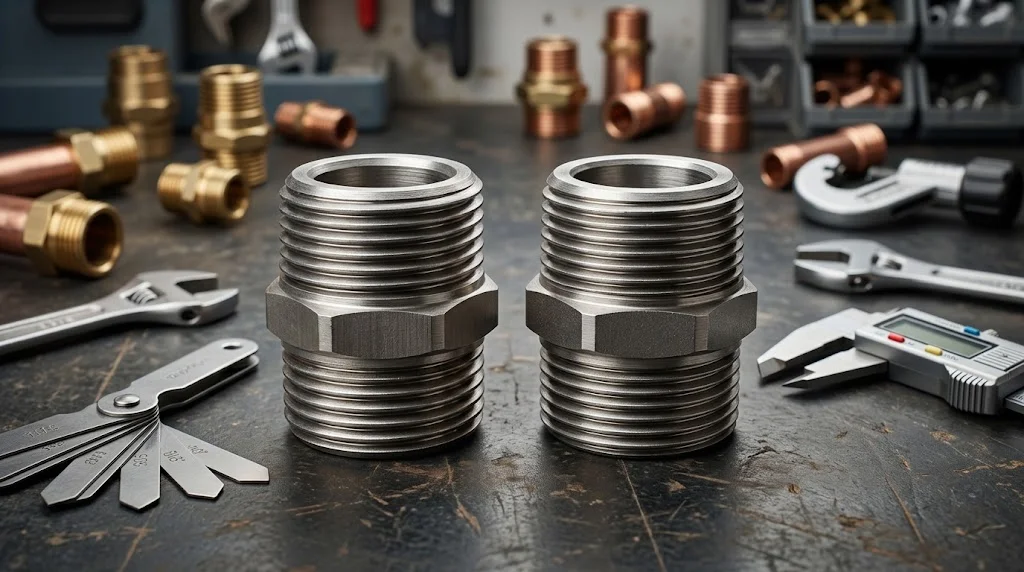
BSP vs NPT thread comparison showing metal pipe fittings and thread profiles

BSP vs NPT Thread Explained: A Practical Guide for Pakistani Plumbers

You pick up a threaded fitting that looks like it matches. It screws in, you wrap some tape around it, and a week later it drips. In most cases the cause is a thread mismatch. The BSP vs NPT thread question trips up plumbers, contractors, and buyers every day, because the two threads look almost

BSP vs NPT Thread Explained: A Practical Guide for Pakistani Plumbers Read More »

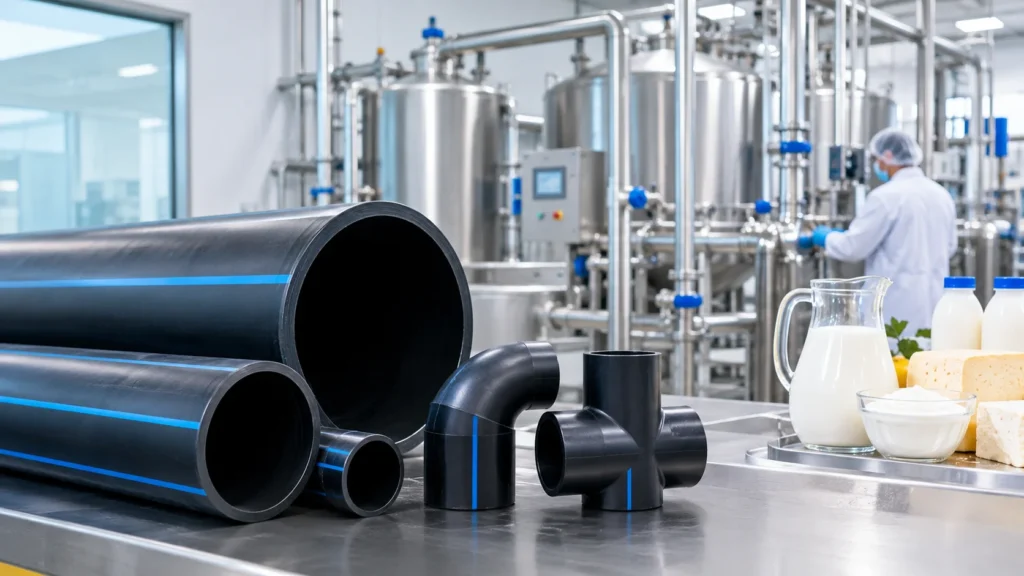
HDPE pipes for water supply and utility applications in dairy and food processing plants

HDPE Pipe Food Grade: What It Means for Dairy and Food Processing Plants

Buyers often search for “HDPE pipe food grade” and expect a simple yes or no. The honest answer is more useful. HDPE is a clean, smooth, corrosion-free material, and it suits many water and utility duties inside dairy and food plants. But “food grade” is not a label that automatically applies to every HDPE pipe,

HDPE Pipe Food Grade: What It Means for Dairy and Food Processing Plants Read More »