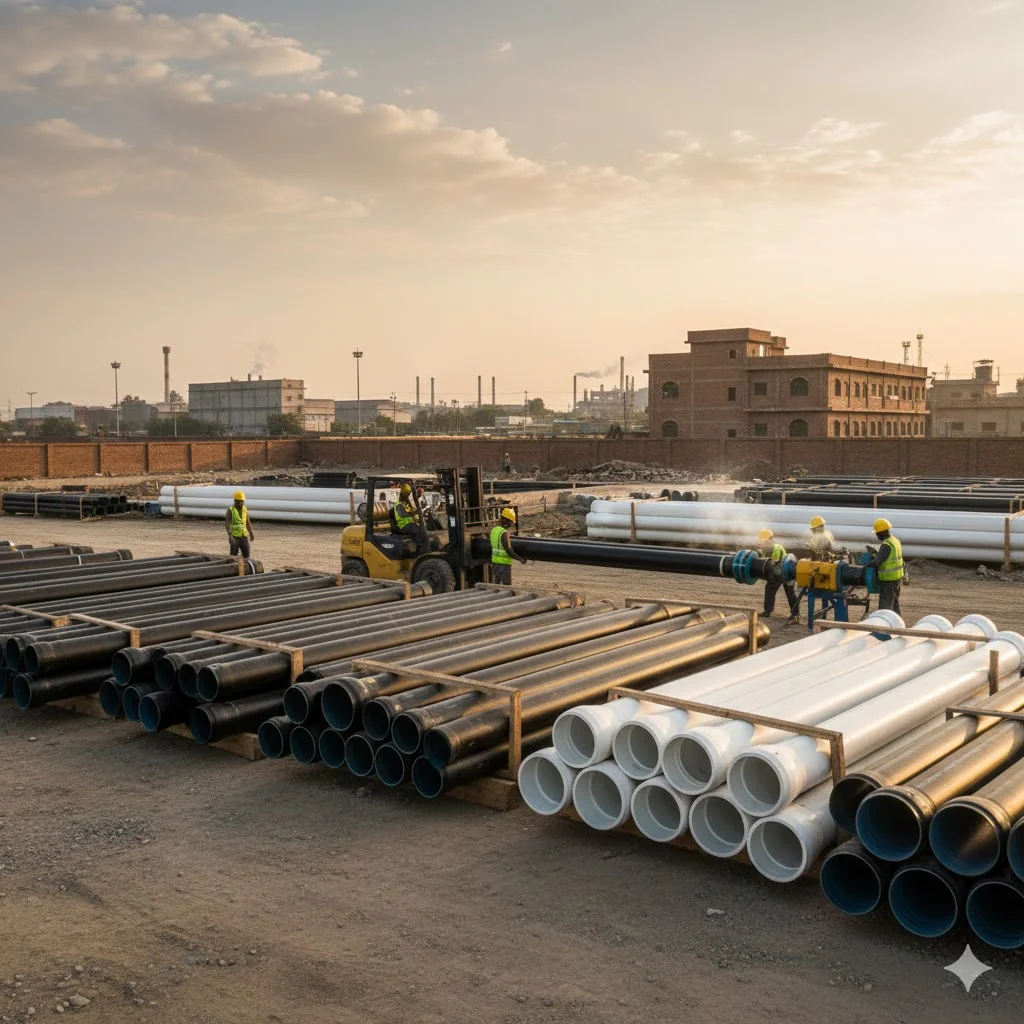
As a builder, have you ever wondered how the materials you choose for piping can impact the long-term success of your projects? Construction-grade HDPE (High-Density Polyethylene) and PVC (Polyvinyl Chloride) piping may not always be top of mind, but they play a crucial role in both the durability and cost-efficiency of construction projects.
In Sialkot, a region known for its manufacturing excellence, these pipes are trusted for their robustness, versatility, and exceptional quality. Many builders overlook the importance of quality piping, focusing instead on exterior aesthetics. However, selecting the right pipes can significantly reduce future maintenance costs and improve project timelines.
This article will delve into why Sialkot’s construction-grade HDPE and PVC piping are essential for builders, and how you can leverage them to enhance your projects. By the end, you’ll understand why these materials should be at the top of your list for your next build.
1. What is Construction-Grade Piping?
Defining Construction-Grade HDPE and PVC Pipes
Construction-grade piping refers to high-quality pipes designed for use in various construction applications, such as plumbing, drainage systems, and electrical conduit. The two primary types of construction-grade piping materials—HDPE and PVC—are prized for their durability, flexibility, and long service life.
HDPE Piping: HDPE is a robust, corrosion-resistant material known for its superior strength-to-density ratio. It’s ideal for underground installations due to its resistance to abrasion, chemicals, and weathering. In construction, HDPE pipes are frequently used for water supply lines, sewerage systems, and stormwater management.
PVC Piping: PVC pipes, on the other hand, are lightweight, cost-effective, and easy to install. They are resistant to chemicals and have high tensile strength, making them popular for both drainage and electrical systems. PVC is often the go-to choice for low-pressure applications.
Why Are These Materials Important for Builders?
These materials are crucial for construction projects as they guarantee not only the physical integrity of systems but also ensure cost-efficiency and ease of installation. Their resistance to corrosion and low maintenance needs make them a long-term investment for builders and homeowners alike. For example, an underground plumbing system made with HDPE or PVC will need far less maintenance and repairs over its lifespan compared to traditional metal piping.
2. Why Choose Sialkot for Construction-Grade Piping?
The Sialkot Advantage in Pipe Manufacturing
Sialkot, a city located in Pakistan, is renowned for its manufacturing capabilities, especially in the piping industry. Known for its high-quality production standards and skilled workforce, Sialkot has positioned itself as a leading supplier of construction-grade HDPE and PVC piping.
The city’s manufacturers follow international quality standards, ensuring that each pipe is designed to withstand the pressures and demands of construction environments. Builders choosing Sialkot pipes can expect to receive products that meet or exceed global standards, offering superior reliability, strength, and longevity.
Real-World Example: Sialkot Pipes in International Projects
A notable case study involves a major commercial development in the Middle East. Builders sourced HDPE and PVC pipes from Sialkot for the project’s plumbing and drainage systems. The project was completed on time and within budget, with significant cost savings in maintenance due to the high-quality materials used. The success of this project was attributed to the choice of durable, low-maintenance pipes from Sialkot, proving that the right materials can directly impact project success.
3. How Do HDPE and PVC Pipes Compare in Construction?
HDPE vs. PVC: Which One Should You Choose?
The choice between HDPE and PVC largely depends on the specific needs of your construction project. Here’s a side-by-side comparison:
| Feature | HDPE Pipe | PVC Pipe |
| Strength | Superior tensile strength | Moderate strength |
| Corrosion Resistance | Excellent | Good |
| Installation | Requires special tools for welding | Easy to install with glue |
| Flexibility | Highly flexible | Less flexible |
| Cost | Higher | Lower |
| Durability | Long-lasting, especially for underground systems | Durable, but more prone to cracking under extreme pressure |
| Applications | Water, sewer, industrial use | Drainage, plumbing, electrical conduit |
Pro Tip: Choose HDPE for projects requiring underground installation and areas subject to harsh conditions. PVC is perfect for above-ground systems and is more budget-friendly.
Case Study: The Impact of Choosing HDPE for Water Systems
In a large residential project, the decision to use HDPE pipes for the water supply system led to a notable reduction in leaks and maintenance costs. The flexibility and resistance to cracking under pressure ensured that the pipes performed reliably even in challenging conditions.
4. What Are the Benefits of Using Sialkot Construction-Grade Pipes?
Durability and Longevity
One of the primary reasons builders choose Sialkot construction-grade HDPE and PVC pipes is their incredible durability. These pipes are designed to last for decades without the need for frequent replacements, unlike older metal piping systems that are susceptible to corrosion, rust, and other damage.
Cost-Effectiveness Over Time
While the initial cost of construction-grade HDPE or PVC piping may be slightly higher than traditional materials, the long-term savings are undeniable. Reduced maintenance costs, fewer repairs, and longer service life ensure that these pipes offer excellent value for money.
Reduced Environmental Impact
Both HDPE and PVC piping are highly recyclable, making them environmentally friendly choices. Sialkot’s manufacturers are committed to using sustainable practices, ensuring that the pipes not only perform well but also minimize environmental harm.
Expert Insight: Builders who invest in high-quality piping, like those sourced from Sialkot, will find that they spend less time on repairs and more time completing projects, which increases overall efficiency.
5. What Are Common Mistakes Builders Make with Piping Systems?
Overlooking the Importance of Quality Materials
One common mistake that many builders make is opting for cheaper, low-quality pipes to save on initial costs. However, this can lead to long-term consequences, such as frequent repairs, pipe bursts, and potential system failures. Choosing high-quality construction-grade pipes, such as those from Sialkot, ensures that your systems are reliable and cost-effective in the long run.
Failing to Account for Proper Installation
Even the best pipes can fail if not installed correctly. Builders often overlook the importance of skilled installation, which can result in misaligned pipes, leaks, and eventual failure. Ensuring that your team is well-trained and follows the proper installation guidelines is key to the success of any construction project.
6. How Can Builders Maximize the Benefits of Sialkot Piping?
Working with Trusted Suppliers
To ensure that you get the best quality pipes, always work with reputable suppliers who source their materials directly from Sialkot manufacturers. Check certifications and references to ensure you’re purchasing pipes that meet industry standards.
Regular Maintenance
Although HDPE and PVC pipes are low maintenance, they still require periodic checks. Performing routine inspections on your piping systems can prevent unexpected issues and keep systems running smoothly for years.
Pro Tip: Partner with experienced plumbing experts who understand how to leverage the unique properties of HDPE and PVC pipes for your specific construction needs.
Conclusion: Why You Should Choose Sialkot Construction-Grade Piping for Your Next Build
When it comes to construction-grade piping, quality matters. HDPE and PVC pipes sourced from Sialkot offer unmatched durability, reliability, and cost-effectiveness for builders. By choosing these materials, you can ensure the longevity of your projects, reduce maintenance costs, and enhance overall project efficiency.
Don’t let inferior piping systems jeopardize the success of your projects. Make the smart choice today—opt for Sialkot construction-grade piping and build with confidence.
FAQ Section:
What makes Sialkot construction-grade pipes stand out?
Sialkot is known for its high manufacturing standards and skilled labor. Pipes made in Sialkot are durable, corrosion-resistant, and meet international quality standards, making them a preferred choice for builders globally.
Can PVC pipes be used for high-pressure applications?
While PVC pipes are durable, they are better suited for low to medium-pressure applications. For high-pressure systems, HDPE is typically a better choice due to its superior strength and flexibility.
How long do HDPE and PVC pipes last?
Both HDPE and PVC pipes have long lifespans. HDPE pipes can last up to 50-100 years, while PVC pipes typically last 25-40 years when properly installed and maintained.
Are HDPE and PVC pipes resistant to environmental damage?
Yes, both HDPE and PVC pipes are highly resistant to environmental factors such as UV radiation, extreme temperatures, and corrosion, making them ideal for both indoor and outdoor installations.
Can I use Sialkot pipes for both residential and commercial projects?
Yes, Sialkot pipes are versatile and can be used in both residential and commercial construction projects, including plumbing, drainage, and electrical conduit systems.
Are Sialkot pipes cost-effective?
Yes, although the upfront cost of HDPE and PVC pipes may be higher than traditional piping materials, their long-term durability and low maintenance needs make them more cost-effective over time.
What are the installation requirements for Sialkot pipes?
Installation requirements vary depending on the type of pipe. HDPE pipes may require welding or fusion techniques, while PVC pipes are typically joined with solvent cement. Proper installation by trained professionals is crucial for ensuring optimal performance.