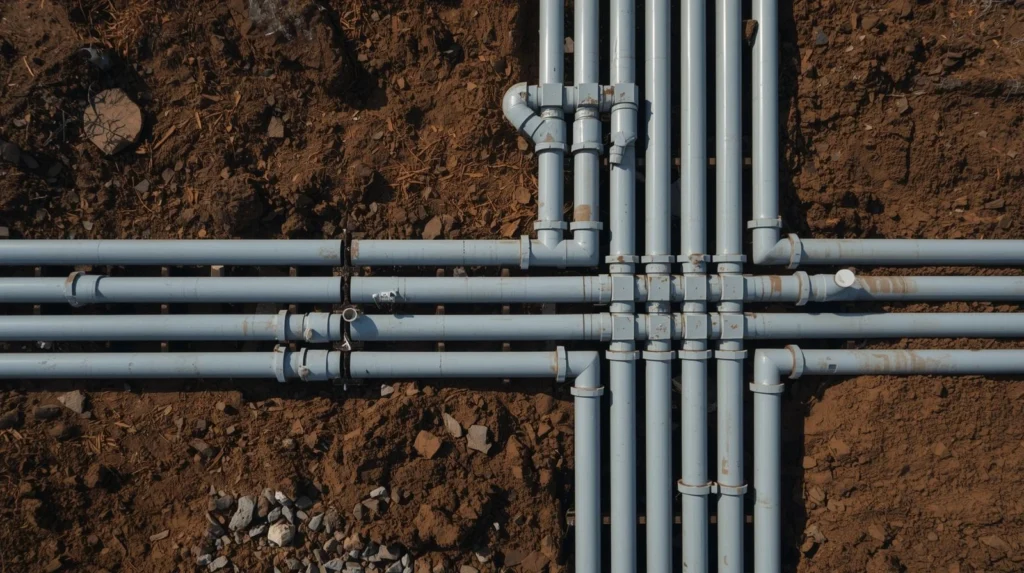
Have you ever wondered why the drainage system in some areas of Rawalpindi always seems to fail when it rains heavily? Or why some commercial areas frequently deal with waterlogging and sanitation problems? The culprit often lies in outdated or improperly installed drainage networks.
As Rawalpindi continues to grow and urbanize, reliable drainage systems have become more crucial than ever. For many property owners, especially those in newly developed sectors, the challenge of selecting a durable, cost-effective solution to avoid flooding and water damage is an ongoing concern.
In this blog, you’ll learn why underground PVC drainage pipes are rapidly becoming the go-to choice for improving drainage systems in Rawalpindi, how they work, and the long-term benefits they offer to business owners, contractors, and property managers. By the end, you’ll have a clear understanding of why PVC is a superior choice for your drainage needs.
What Makes PVC Drainage Pipes an Ideal Choice for Rawalpindi?
When considering any infrastructure investment, whether in residential or commercial properties, durability, cost, and maintenance are the key factors that matter. PVC drainage pipes tick all these boxes, making them the ideal solution for Rawalpindi’s drainage challenges.
Durability and Longevity
One of the primary reasons PVC drainage pipes have gained popularity in Rawalpindi is their impressive longevity. PVC pipes are highly resistant to corrosion and chemicals, which is especially important in cities like Rawalpindi, where frequent industrial activity and heavy rainfall can cause wear and tear on inferior drainage systems. The pipes can last up to 50 years or more with minimal degradation, significantly reducing the need for costly repairs or replacements.
Cost-Effectiveness
In comparison to traditional materials such as concrete or clay, PVC pipes are relatively inexpensive. This makes them an attractive option for city projects or for property owners looking to upgrade their existing drainage systems. The lower material cost is compounded by the fact that PVC pipes are lightweight, which cuts down on labor costs during installation.
Easy Installation and Maintenance
Another significant advantage is ease of installation. PVC drainage pipes are lightweight and easy to handle, reducing installation time. Additionally, the smooth interior surface of PVC pipes minimizes the likelihood of blockages and clogs, reducing the need for constant maintenance or repairs.
Resistance to Elements
Rawalpindi’s weather can be extreme, with hot summers and heavy monsoons. PVC pipes are highly resistant to temperature fluctuations and UV damage, making them an excellent choice for underground drainage networks. These pipes are built to withstand the elements, which is crucial in a city where heavy rains can quickly overwhelm drainage systems not built to handle such volumes of water.
How Do PVC Drainage Pipes Work?
You might be wondering: How exactly do PVC drainage systems manage to prevent flooding and waterlogging, particularly in places like Rawalpindi that frequently experience intense rainfall? The magic lies in the design and structure of PVC pipes.
Design and Functionality
PVC drainage pipes feature a smooth inner surface that allows for optimal water flow. This design prevents the buildup of debris, which is common in older drainage systems made of clay or concrete. The smooth surface reduces friction, allowing water to flow more efficiently, especially during heavy rains when the volume of water increases.
Moreover, PVC pipes are designed to be jointed securely, preventing leakage and infiltration of groundwater into the drainage system. This ensures that water remains contained within the pipes and is directed to the appropriate discharge areas, such as treatment facilities or designated drainage points.
Maintenance-Free Advantage
Thanks to their smooth surface, PVC pipes require much less maintenance than older systems. Traditional drainage materials like concrete or steel are prone to cracking, corrosion, or clogging. PVC, on the other hand, doesn’t corrode and is far less likely to clog due to its smooth finish. The result? A reliable, low-maintenance solution that provides peace of mind for property owners.
Can PVC Drainage Pipes Handle the Rawalpindi Monsoon Season?
Rawalpindi is known for its unpredictable monsoon season, which often causes localized flooding and waterlogging in certain areas. The challenge lies in ensuring that the drainage system can handle the influx of water without causing damage to properties or infrastructure.
Capacity to Handle Heavy Rainfall
PVC drainage pipes have a high resistance to the volume of water typical of the monsoon season. Their robust structure, combined with their smooth surface, ensures that water can move quickly and efficiently through the system. This is especially beneficial in areas with rapid urban expansion, where older systems struggle to keep up with increased demand.
Example: Gulraiz Housing Society
A key example of the efficiency of PVC pipes in Rawalpindi’s monsoon season can be found in the Gulraiz Housing Society, which recently upgraded its drainage system with PVC pipes. The new system withstood multiple bouts of heavy rain during the monsoon without any major flooding, a marked improvement over previous systems that frequently failed during intense weather. This upgrade has proven invaluable in maintaining public safety and minimizing property damage.
Expert Insight:
“PVC pipes are designed to withstand even the most extreme rainfall. Their smooth finish and resistance to corrosion make them the best choice for cities like Rawalpindi, where rainfall can often be unpredictable and heavy,” says Imran Khan, a civil engineer based in Rawalpindi.
What Are the Environmental Benefits of PVC Drainage Pipes?
In a world increasingly focused on sustainability, PVC pipes also stand out for their environmental benefits.
Lower Carbon Footprint
PVC pipes are produced using less energy than other traditional drainage materials such as concrete or steel. This helps reduce the carbon footprint associated with their production. Moreover, PVC is 100% recyclable, ensuring that old pipes can be reused in the manufacturing process rather than ending up in landfills.
Reduced Soil Erosion and Water Contamination
PVC’s impermeability helps prevent groundwater contamination, an issue that is particularly relevant in rapidly urbanizing areas like Rawalpindi. Furthermore, because PVC pipes are resistant to cracking, they help prevent soil erosion by ensuring that wastewater is properly contained within the pipes, preventing leaks that could affect surrounding ecosystems.
How Can Business Owners Benefit from PVC Drainage Systems?
If you’re a business owner or property developer in Rawalpindi, the switch to PVC drainage pipes can yield significant benefits that extend beyond simple functionality.
Cost Savings in Maintenance and Repairs
By investing in PVC drainage pipes, businesses can avoid the ongoing costs of repairing clogged or leaking drainage systems. The reduced maintenance requirements mean fewer disruptions to business operations, and the pipes’ durability means you won’t have to worry about unexpected replacements.
Improved Property Value
A well-maintained drainage system is an attractive feature for both commercial and residential properties. Business owners who upgrade to PVC pipes may see an increase in property value due to the reliability and longevity of the drainage system. This is particularly important in competitive markets where infrastructure quality can impact the marketability of a property.
Case Study: Commercial District in Saddar
A commercial district in Saddar recently upgraded to PVC drainage pipes. The result was a noticeable reduction in flooding incidents, which had previously disrupted business operations during heavy rains. After the upgrade, businesses reported fewer property damages and less downtime during monsoon seasons.
Conclusion
The use of underground PVC drainage pipes in Rawalpindi is transforming the way drainage systems function in the city. Their affordability, durability, and resistance to environmental challenges make them an invaluable solution for property owners and businesses alike. From ensuring effective water flow during the monsoon season to providing long-term cost savings, PVC pipes are a practical, efficient choice for modern drainage systems.
If you’re looking to upgrade your property’s drainage system or are involved in development projects, consider PVC pipes as your go-to solution for efficiency and longevity. With their proven benefits, PVC drainage pipes are not only an investment in infrastructure but also in the future of your property’s resilience.
FAQ
1. How long do PVC drainage pipes last?
PVC drainage pipes can last up to 50 years or more, depending on environmental factors and maintenance. Their resistance to corrosion and wear makes them ideal for long-term use.
2. Are PVC drainage pipes suitable for Rawalpindi’s monsoon season?
Yes, PVC drainage pipes are well-suited to handle the heavy rainfall typical of Rawalpindi’s monsoon season. Their smooth surface ensures quick water flow, reducing the risk of flooding.
3. Can PVC pipes handle large volumes of water?
Absolutely. PVC pipes are designed to efficiently handle large volumes of water, making them ideal for areas prone to heavy rainfall or frequent flooding.
4. Are PVC pipes environmentally friendly?
Yes, PVC pipes are recyclable and have a lower carbon footprint compared to other materials like concrete and steel, making them an eco-friendly option for drainage systems.
5. Can businesses benefit from installing PVC drainage systems?
Businesses in Rawalpindi can save on maintenance costs, reduce downtime, and improve property value by upgrading to PVC drainage systems. Their durability ensures fewer disruptions during the rainy season.
6. How do PVC pipes compare to concrete drainage systems?
PVC pipes are more cost-effective, easier to install, and require less maintenance compared to traditional concrete drainage systems. They also last longer and are less prone to blockages or cracks.