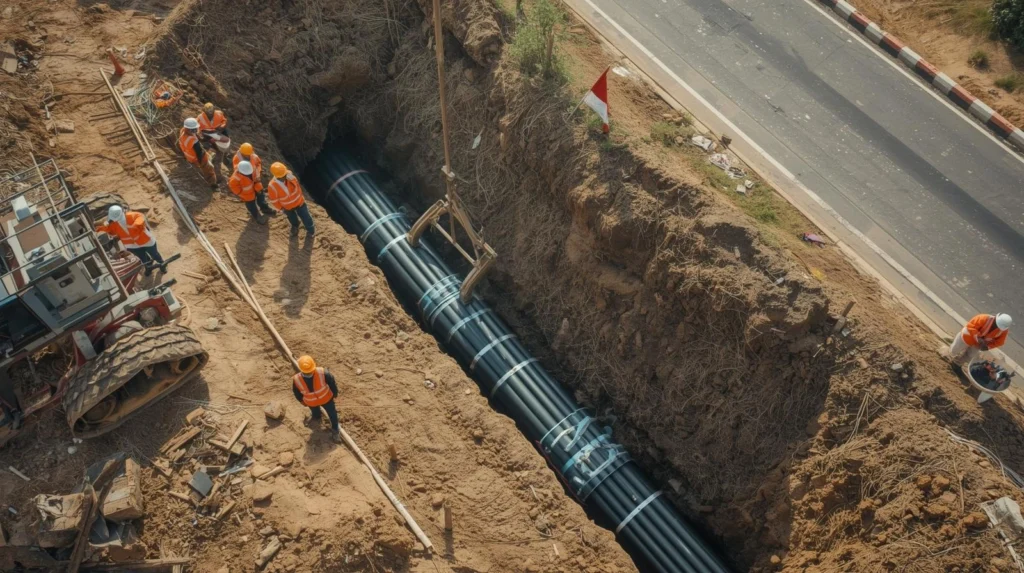
Have you ever wondered how cities manage to lay down miles of underground pipes for water, gas, or electricity without tearing up entire streets? The solution lies in trenchless technology, a method that has revolutionized the way industries and municipalities approach underground installations. In Pakistan, where road congestion and environmental concerns are on the rise, trenchless methods are becoming increasingly popular. But what exactly makes trenchless technology so effective, and how are HDPE pipes playing a critical role in this transformation?
In this post, we will explore how trenchless technology, specifically using HDPE pipes, is changing the game in Pakistan’s underground installations. From reducing disruption to saving time and money, trenchless technology is here to stay, and it’s shaping the future of construction and infrastructure development in the country.
What Is Trenchless Technology?
Trenchless technology refers to methods used for the installation, maintenance, and repair of underground utilities with minimal surface disruption. Unlike traditional trenching, which requires digging up the earth along the length of the pipe installation path, trenchless methods allow for pipe placement without significant excavation. This technique is gaining traction worldwide for its ability to minimize surface disruption, reduce costs, and expedite projects.
Types of Trenchless Technology:
- Horizontal Directional Drilling (HDD): Involves drilling a pilot hole and pulling the pipe into place.
- Pipe Bursting: Existing pipes are broken up while new pipes are pulled through.
- Microtunneling: A machine is used to excavate tunnels while laying pipes simultaneously.
- Auger Boring: A rotary cutting head drills through the ground, creating space for a pipe.
Each of these methods offers specific benefits depending on the scope and nature of the installation.
Why Is Trenchless Technology Important for Pakistan?
In Pakistan, infrastructure development has traditionally been plagued by issues like road closures, traffic congestion, and environmental concerns during pipe installations. Trenchless technology offers several solutions to these challenges:
1. Reducing Traffic Disruptions
Traffic in major cities like Karachi, Lahore, and Islamabad is already congested. Traditional trenching for underground installations often leads to lane closures and detours, making life difficult for commuters. Trenchless technology, however, significantly reduces surface disruption, keeping traffic flow intact.
2. Environmental Benefits
Traditional excavation methods can lead to extensive environmental damage, especially in urban areas. Trenchless installation methods minimize the destruction of green spaces, roads, and existing infrastructure, making them more sustainable in the long run.
3. Cost-Effective
Though the initial investment in trenchless equipment may be higher, the overall project costs are reduced. With less labor required for excavation, fewer repairs to roads and landscapes, and faster completion times, trenchless methods prove to be more cost-efficient over time.
The Role of HDPE Pipes in Trenchless Technology
HDPE (High-Density Polyethylene) pipes are a key material in trenchless technology, known for their flexibility, durability, and resistance to corrosion. These pipes are ideal for underground installation because of their ability to withstand high-pressure conditions, making them perfect for water, gas, and sewage systems.
Key Advantages of HDPE Pipes:
- Durability: HDPE pipes have a long lifespan, often lasting more than 50 years.
- Flexibility: The flexibility of HDPE pipes allows them to be installed in various types of soil and under complex conditions.
- Resistance to Corrosion: HDPE is highly resistant to chemicals and environmental factors, ensuring minimal maintenance.
- Lightweight: These pipes are easier to handle and install, reducing labor costs and time.
How HDPE Pipes Facilitate Trenchless Installation
The installation of HDPE pipes using trenchless technology offers several benefits. Since HDPE is flexible, it can be pulled through narrow tunnels created by methods like horizontal directional drilling or auger boring. The smooth inner surface of HDPE pipes also ensures high flow efficiency, reducing friction and maintaining water or gas pressure.
How Is Trenchless Technology Implemented in Pakistan?
Several infrastructure projects in Pakistan have already adopted trenchless technology, particularly in urban centers. For example, Karachi has used trenchless methods to install water pipelines and sewage systems in densely populated areas, where traditional digging would cause massive disruptions. The city’s water utility company has seen substantial improvements in installation times and operational efficiency since implementing HDPE pipes in trenchless projects.
Real-World Case Studies:
- Karachi’s Water Supply System: A major water pipeline was installed using trenchless methods, significantly cutting down road closures and the associated traffic disruptions.
- Lahore’s Gas Distribution Network: Lahore has adopted HDPE pipes for its underground gas distribution network, reducing both construction time and environmental impact.
- Islamabad’s Sewerage System: Trenchless technology has been used to upgrade the city’s aging sewerage infrastructure, ensuring minimal disruption to residents and businesses.
These projects serve as models for future infrastructure development across Pakistan, highlighting the potential of trenchless technology in solving urban challenges.
Common Trenchless Installation Methods in Pakistan
While trenchless technology is gaining momentum, certain methods are more commonly used in Pakistan due to their suitability for the local environment and regulatory requirements. The most popular trenchless methods include:
1. Horizontal Directional Drilling (HDD)
HDD is widely used for longer distances and larger pipe installations. It’s ideal for cities like Karachi and Lahore, where roads and other infrastructure need to be preserved during installations.
2. Pipe Bursting
This method is especially beneficial for replacing old or damaged pipelines with new ones. By using a bursting head to break up the old pipe while simultaneously pulling in a new one, pipe bursting minimizes excavation and downtime.
3. Microtunneling
Though more expensive, microtunneling is ideal for areas with extremely limited surface disruption. It’s used for smaller diameter pipes in more confined spaces, such as under rivers, highways, or dense urban centers.
Challenges to the Adoption of Trenchless Technology in Pakistan
Despite the numerous benefits, there are several challenges to the widespread adoption of trenchless technology in Pakistan:
1. Initial Investment
The cost of trenchless equipment and HDPE pipes can be prohibitive for smaller municipalities or companies. However, the long-term savings often justify the upfront cost.
2. Skilled Labor Shortage
Trenchless technology requires specialized skills, and there is a shortage of trained professionals in Pakistan. More investment in training and education is needed to bridge this gap.
3. Regulatory Challenges
In some areas, the regulatory framework may not fully support trenchless technology, leading to delays in project approvals. Addressing these regulatory hurdles is key to faster adoption.
Conclusion
Trenchless technology, particularly when combined with HDPE pipes, is a game-changer for underground installations in Pakistan. From reducing disruptions in urban areas to offering cost-effective and sustainable solutions, this method has the potential to revolutionize the country’s infrastructure development. With continued investment in equipment, training, and regulatory reforms, trenchless technology will play an essential role in shaping the future of urban construction in Pakistan.
Call to Action:
If you’re a business owner or municipality looking to upgrade your infrastructure, consider adopting trenchless technology for your next project. Not only will you save time and money, but you’ll also be contributing to a more sustainable and efficient future. Contact us to learn how HDPE pipes and trenchless technology can help you achieve your goals.
FAQ Section
Q1: What is trenchless technology?
Trenchless technology refers to methods for installing, maintaining, and repairing underground utilities with minimal surface disruption. It involves techniques such as horizontal directional drilling and pipe bursting.
Q2: What are the benefits of HDPE pipes for trenchless installation?
HDPE pipes are durable, flexible, corrosion-resistant, and lightweight, making them ideal for trenchless technology installations. They offer long-term reliability and cost savings.
Q3: How much does trenchless technology cost in Pakistan?
While the initial investment for trenchless technology can be high, it offers cost savings over time due to reduced surface disruption, shorter installation times, and fewer road repairs.
Q4: Is trenchless technology environmentally friendly?
Yes, trenchless technology is more environmentally friendly than traditional excavation because it reduces land disturbance, preserves green spaces, and minimizes waste.
Q5: Can trenchless technology be used for all types of underground installations?
Trenchless technology is versatile and can be used for water, gas, sewage, and electrical lines, making it suitable for a wide range of infrastructure projects.
Q6: What are the challenges to using trenchless technology in Pakistan?
Some of the challenges include the high initial investment, lack of skilled labor, and regulatory hurdles. However, these challenges can be addressed with proper investment and training.
Q7: How long do HDPE pipes last in underground installations?
HDPE pipes typically last 50 years or more, providing long-term reliability and reducing maintenance costs.