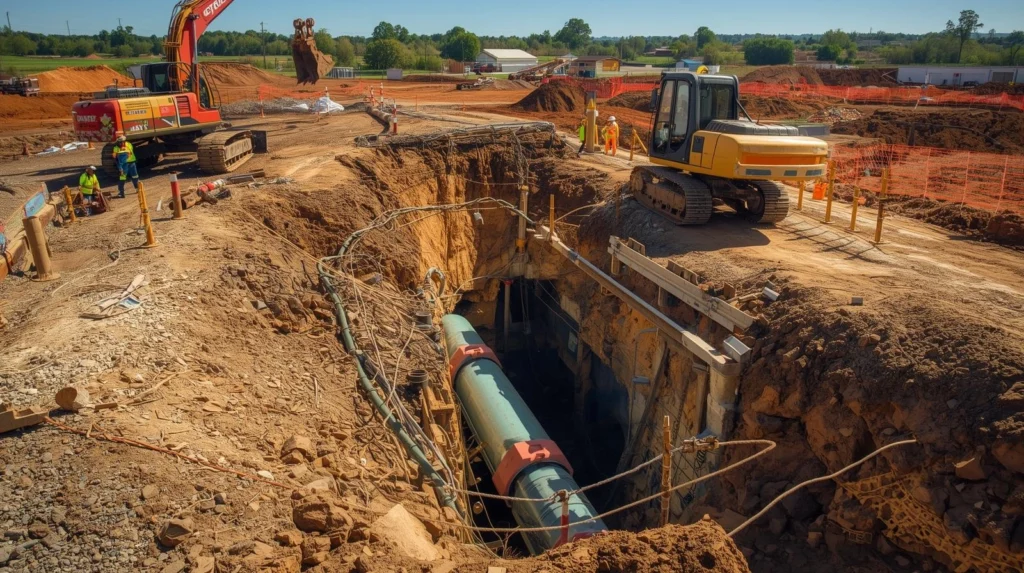
Underground pipe installation can be a daunting task for both seasoned professionals and DIY enthusiasts. Whether it’s for water, gas, or sewage systems, one wrong move can lead to costly mistakes, system failures, and even legal issues. Have you ever wondered why certain installations fail despite being meticulously planned? The answer often lies in the hidden challenges that are easy to overlook during the process.
In this post, we’ll explore the top 10 mistakes to avoid during underground pipe installation. From trenching errors to improper pipe laying, we’ll dive into common pitfalls and share tips to ensure your next underground project runs smoothly. By the end of this guide, you’ll be equipped with the knowledge to sidestep potential disasters, save money, and complete your projects with confidence.
1. Neglecting Proper Pipe Sizing
Why It Matters
Pipe sizing is crucial for the long-term functionality of any underground system. Too large, and you risk higher costs and unnecessary weight; too small, and your system could become overwhelmed, leading to clogs and burst pipes.
How to Avoid It
- Know Your Requirements: Understand the flow rate, pressure needs, and the type of fluid being transported.
- Follow Local Regulations: Always adhere to local building codes for pipe sizing and installation guidelines.
- Consult an Expert: If in doubt, get a professional to help calculate the correct size.
Pro Tip: When in doubt, always opt for slightly larger pipes to account for future needs and reduce wear over time.
2. Improper Trenching
Why It Matters
The trench is the foundation of your installation, and improper trenching can compromise the integrity of your pipes, leading to leaks or shifting. Too narrow or shallow a trench, or poorly compacted soil, can create long-term issues.
How to Avoid It
- Follow Depth Requirements: Ensure the trench is deep enough to protect the pipes from external pressure and environmental factors.
- Proper Width: Make the trench wide enough to allow for a layer of bedding material and easy access during installation.
- Stable Soil: Use compacted soil or gravel as bedding material to keep the pipe in place and prevent shifting.
Expert Insight: The trench should be wide enough to allow workers to move freely and handle the pipes without damage. Don’t skimp on trench width!
3. Ignoring Soil Type and Ground Conditions
Why It Matters
Different soil types, such as sandy or clay-based soils, require different approaches. If you fail to consider soil type and ground conditions, you could face challenges like shifting pipes, water infiltration, or pipe rupture.
How to Avoid It
- Soil Testing: Before beginning installation, perform soil tests to determine the type of material you’re working with.
- Adapt Techniques: For rocky or shifting soil, consider using concrete encasement or other protective measures.
Pro Tip: Use flexible pipes in areas with unstable soil to allow movement without causing fractures.
4. Not Using the Right Pipe Materials
Why It Matters
Using the wrong materials for the job can lead to issues with durability, flexibility, and longevity. For instance, using PVC pipes in areas with high pressure or sharp bends can result in cracks and system failures.
How to Avoid It
- Know Your Options: Choose pipe materials that match the conditions of the installation site (e.g., PVC for low-pressure systems, HDPE for high-pressure applications).
- Check for Compatibility: Make sure the chosen pipe materials are compatible with the fluid being transported.
Expert Insight: HDPE pipes are excellent for areas with high chemical exposure, while PVC pipes work best for drainage systems.
5. Overlooking Pipe Alignment
Why It Matters
Misaligned pipes can lead to uneven flow, blockages, and increased friction. Misalignment, even by a small margin, could result in costly repairs down the road.
How to Avoid It
- Use Alignment Tools: Employ laser-guided systems or simple level tools to ensure your pipes are perfectly aligned.
- Monitor During Installation: Continuously check the pipe alignment as it’s being laid.
Pro Tip: If you’re laying multiple pipes in parallel, make sure they are evenly spaced to prevent pipe strain or tangling later.
6. Inadequate Pipe Bedding
Why It Matters
The bedding material surrounding your pipe helps to cushion it from external pressures. If the bedding material is not properly placed, pipes may suffer from external weight and pressures that lead to cracking or breakage.
How to Avoid It
- Proper Bedding: Use fine sand, gravel, or engineered soil to cushion the pipes and provide stability.
- Even Distribution: Ensure the bedding material is evenly distributed around the pipe before backfilling.
Expert Insight: A good bedding layer ensures that external pressures are evenly distributed, preventing pipe deformation.
7. Failing to Perform Leak Tests
Why It Matters
Leaks are one of the most common issues after pipe installation, and failing to perform a leak test during installation can result in undetected issues that only become apparent after the system is in use.
How to Avoid It
- Test Before Backfilling: After installing the pipes, perform leak tests to ensure everything is sealed correctly.
- Use Pressure Testing: For water and gas systems, pressure testing will help reveal any leaks before the trench is filled in.
Pro Tip: Always test the pipe at the expected pressure level to simulate real-world conditions.
8. Not Accounting for Pipe Expansion and Contraction
Why It Matters
Temperature fluctuations and environmental changes can cause pipes to expand and contract. Failing to plan for this can result in cracks, leaks, or displacement.
How to Avoid It
- Leave Expansion Joints: Use expansion joints or flexible materials where necessary to accommodate thermal expansion.
- Consider Seasonal Changes: Understand local temperature patterns and prepare your pipes accordingly.
Expert Insight: In areas with extreme temperature changes, HDPE or other flexible pipe materials can mitigate thermal expansion issues.
9. Improper Backfilling
Why It Matters
Backfilling is just as crucial as laying the pipe, and improper backfilling can lead to pipe movement, damage, or uneven soil pressure, causing eventual failure.
How to Avoid It
- Backfill in Layers: Add soil in layers, tamping it down each time to avoid voids and uneven settling.
- Avoid Heavy Equipment: Don’t use heavy machinery directly over the pipes during backfilling to prevent unnecessary weight on the pipes.
Pro Tip: Use a backfill material similar to the soil surrounding the pipe to ensure even pressure distribution.
10. Ignoring Local Codes and Regulations
Why It Matters
Each region has specific codes and regulations governing underground pipe installation, from depth and material to pressure limits and safety measures. Failing to follow these codes can result in fines, legal complications, and unsafe installations.
How to Avoid It
- Research Local Codes: Always check with your local municipality or regulatory body to ensure compliance with building and safety codes.
- Hire a Professional: If you’re unsure about the regulations, consider hiring an experienced contractor who is familiar with local codes.
Expert Insight: Non-compliance with local regulations can lead to costly fines, so ensure every step of your installation adheres to the law.
Conclusion
Underground pipe installation is a critical process that requires precision, planning, and an eye for detail. By avoiding these top 10 underground pipe installation mistakes, you can save time, money, and stress while ensuring your system operates smoothly for years to come. Whether you’re a business owner or contractor, following best practices and working with qualified professionals will help safeguard your investment.
Next Steps:
- Review your current installation practices and identify any potential risks.
- Consult with an expert if you’re unsure about any aspect of your installation process.
- Start applying these tips in your next underground pipe project for optimal results.
FAQ Section
1. What materials are best for underground pipes?
Materials like PVC, HDPE, and ductile iron are commonly used for underground pipes, with HDPE offering flexibility in high-stress environments.
2. How deep should underground pipes be laid?
The depth varies depending on the type of pipe and local regulations. Typically, pipes should be buried at least 18-24 inches below the surface to avoid external damage.
3. Can I install pipes myself, or should I hire a professional?
While DIY installation is possible, it’s advisable to consult or hire a professional to avoid costly mistakes, especially when dealing with gas or water pipes.
4. How can I test for leaks in underground pipes?
Pressure testing is the most effective method. After installing the pipe, pressurize the system and check for leaks before backfilling the trench.
5. What happens if I don’t account for pipe expansion?
Neglecting pipe expansion can cause cracks, leaks, or displacement due to thermal shifts, leading to system failures.
6. What should I use as bedding material for underground pipes?
Fine sand or gravel is commonly used to cushion the pipes, providing a stable and even base.
7. What are the risks of improper trenching?
Improper trenching can lead to unstable soil, misaligned pipes, and external pressure on the pipes, causing them to crack or break over time.