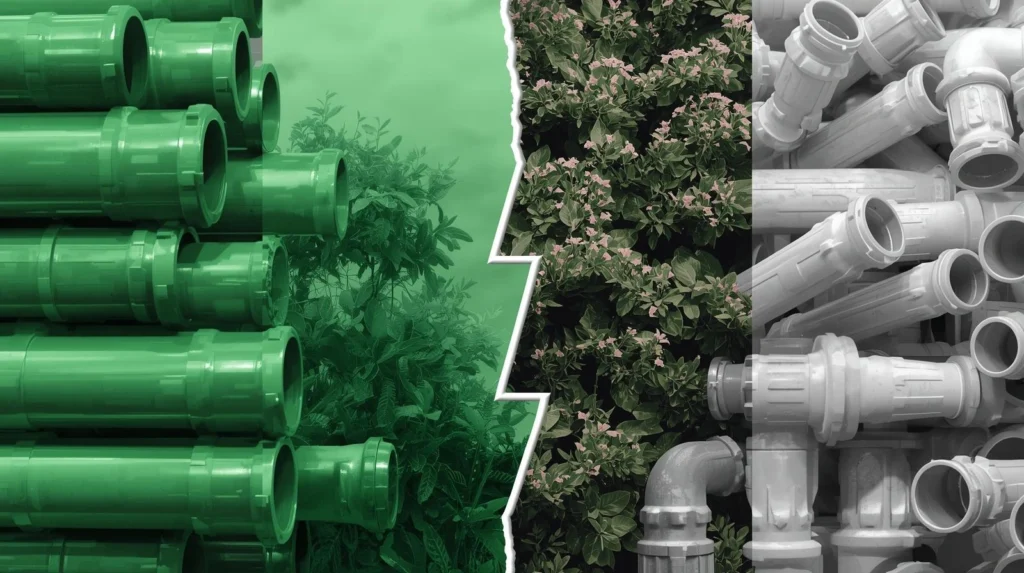
When it comes to construction and infrastructure development, the choice of materials is more crucial than ever. In recent years, one material that has been widely debated for its environmental impact is plastic piping. Are plastic pipes eco-friendly? As the world continues to battle the effects of climate change, many industries are seeking more sustainable alternatives to traditional materials. Plastic pipes, often made of materials like PVC, HDPE, and CPVC, have become a go-to solution for everything from water supply to drainage systems. But are they truly as environmentally friendly as they seem?
In this blog post, we’ll delve deep into the environmental implications of plastic pipes, evaluate their sustainability, and explore whether they can be considered eco-friendly in today’s world.
Value Proposition: By the end of this article, you’ll have a comprehensive understanding of the environmental impact of plastic pipes, their benefits, and limitations, and how they compare to other materials in terms of sustainability.
What Are Plastic Pipes Made Of?
Understanding the Materials
Plastic pipes are typically made from various polymers, including:
- Polyvinyl Chloride (PVC): One of the most common plastic pipe materials, PVC is widely used in plumbing and irrigation systems.
- High-Density Polyethylene (HDPE): Known for its flexibility and strength, HDPE is commonly used in both water supply and sewer systems.
- Chlorinated Polyvinyl Chloride (CPVC): A derivative of PVC, CPVC is used for hot water systems and industrial applications.
While plastic pipes are lightweight, durable, and cost-effective, their environmental footprint largely depends on the material used and the lifecycle of the pipes, from production to disposal.
Are Plastic Pipes Truly Eco-Friendly?
Production Process and Resource Use
Plastic pipe production is energy-intensive, particularly for materials like PVC. The process involves extracting fossil fuels such as petroleum, which contributes to carbon emissions. In fact, the plastic production industry is a significant emitter of greenhouse gases. According to a study by the Plastic Pollution Coalition, plastic production accounts for 8% of the world’s oil consumption and generates roughly 400 million tons of plastic waste annually.
However, plastic pipes have certain advantages when compared to traditional materials like metal and concrete. The energy required to manufacture plastic pipes is generally lower than the production of steel or cast-iron pipes. Furthermore, plastic pipes have a lower weight, reducing transportation costs and the associated emissions.
Durability and Longevity
Plastic pipes are known for their long lifespan. Materials like HDPE can last up to 100 years under optimal conditions, significantly outliving materials like clay or metal. This durability reduces the frequency of replacements, which means fewer raw materials are needed over time.
But this longevity can also pose an environmental problem when the pipes reach the end of their life. While plastic pipes may last a long time, when they do need to be replaced, disposal becomes a challenge. Most plastics are not biodegradable, meaning they can persist in landfills for centuries.
Recyclability of Plastic Pipes
One of the key arguments in favor of plastic pipes is their recyclability. HDPE, for example, is widely recycled, and many plastic pipes can be reprocessed and used in other products. However, in practice, recycling rates are still relatively low due to logistical challenges and the contamination of materials.
The recycling process also consumes energy, though it’s considerably lower than the energy required for virgin plastic production. In recent years, initiatives to improve plastic pipe recycling, such as creating closed-loop recycling systems, have gained traction.
The Environmental Impact of Plastic Pipes in Construction
The Role of Plastic Pipes in Green Construction
As construction industries increasingly focus on sustainability, plastic pipes have gained a reputation for being a “green” material. In terms of energy efficiency, plastic pipes are superior to many other options. They offer excellent insulation properties, reducing heat loss in water pipes, and they are resistant to corrosion, unlike metal pipes, which require regular maintenance and replacement.
Furthermore, plastic pipes are often used in conjunction with energy-efficient systems, such as rainwater harvesting and stormwater management. These applications help reduce a building’s overall water consumption, which is a vital part of sustainable construction.
Carbon Footprint of Plastic Pipes vs. Traditional Materials
The environmental argument for plastic pipes often compares their carbon footprint with that of traditional materials like steel and concrete. Research shows that while plastic pipes may have a higher carbon footprint during production, their longevity, ease of installation, and low maintenance requirements can offset some of these initial emissions.
In contrast, materials like steel pipes are heavier and more prone to corrosion, requiring frequent maintenance and leading to higher lifecycle costs. Concrete pipes, while durable, are resource-intensive and have a higher carbon footprint associated with their manufacturing.
Case Studies: Plastic Pipes in Real-World Applications
1. HDPE Pipes in Municipal Water Supply:
In cities like New York, HDPE pipes have been adopted for their ability to resist corrosion, reduce maintenance costs, and extend the lifespan of water supply systems. According to the American Water Works Association (AWWA), HDPE pipes offer long-term reliability, reducing the need for costly repairs and replacements.
2. PVC Pipes in Green Buildings:
In the construction of LEED-certified buildings, PVC pipes are often used in plumbing systems. Their durability and energy efficiency contribute to the building’s sustainability. A case study from Green Building Council highlights that the use of plastic pipes in such buildings results in a lower environmental impact compared to traditional materials.
3. HDPE for Gas Pipelines:
In Canada, HDPE has become a popular choice for natural gas pipelines due to its resistance to cracking and its ability to perform well in a variety of soil types. The Canadian Energy Pipeline Association notes that HDPE offers significant environmental benefits due to its ability to reduce gas leakage, which is a significant issue with older steel pipes.
The Downside: Plastic Waste and End-of-Life Challenges
Landfill Accumulation
While plastic pipes can last for decades, their disposal is a significant environmental challenge. Most plastic pipes end up in landfills, where they remain for hundreds of years due to their non-biodegradable nature. However, as plastic pipe recycling programs evolve, there’s hope that the material’s life cycle can be extended and its environmental footprint reduced.
Toxic Chemicals and Leaching Risks
PVC pipes, in particular, have been under scrutiny for their potential to leach harmful chemicals into the environment, especially when exposed to extreme heat or UV radiation. Chemicals like phthalates and bisphenol A (BPA) have raised concerns over their long-term impact on water quality and human health.
Conclusion: Are Plastic Pipes Truly Eco-Friendly?
Plastic pipes offer a combination of environmental benefits and drawbacks. On the one hand, their energy-efficient manufacturing process, durability, and ability to reduce maintenance costs make them an attractive option for sustainable construction. On the other hand, their end-of-life disposal and potential chemical leaching are serious concerns.
Ultimately, whether plastic pipes are eco-friendly depends on how they are produced, used, and disposed of. If innovations in recycling and responsible disposal methods continue to improve, plastic pipes may play a crucial role in green construction.
FAQ
1. Are plastic pipes recyclable?
Yes, plastic pipes, particularly HDPE, are recyclable. However, the recycling rates are low due to logistical challenges.
2. How long do plastic pipes last?
Plastic pipes, such as HDPE, can last for up to 100 years, depending on conditions like pressure and temperature.
3. What are the environmental concerns with plastic pipes?
Plastic pipes can contribute to pollution when disposed of improperly, as they are non-biodegradable. Additionally, materials like PVC may leach harmful chemicals.
4. Are plastic pipes more eco-friendly than metal pipes?
Yes, plastic pipes are generally more eco-friendly than metal pipes due to their lower carbon footprint in production and their resistance to corrosion.
5. How can the environmental impact of plastic pipes be reduced?
Recycling initiatives and improved waste management can help reduce the environmental impact of plastic pipes. Additionally, using alternative materials or bio-based plastics can further mitigate environmental concerns.