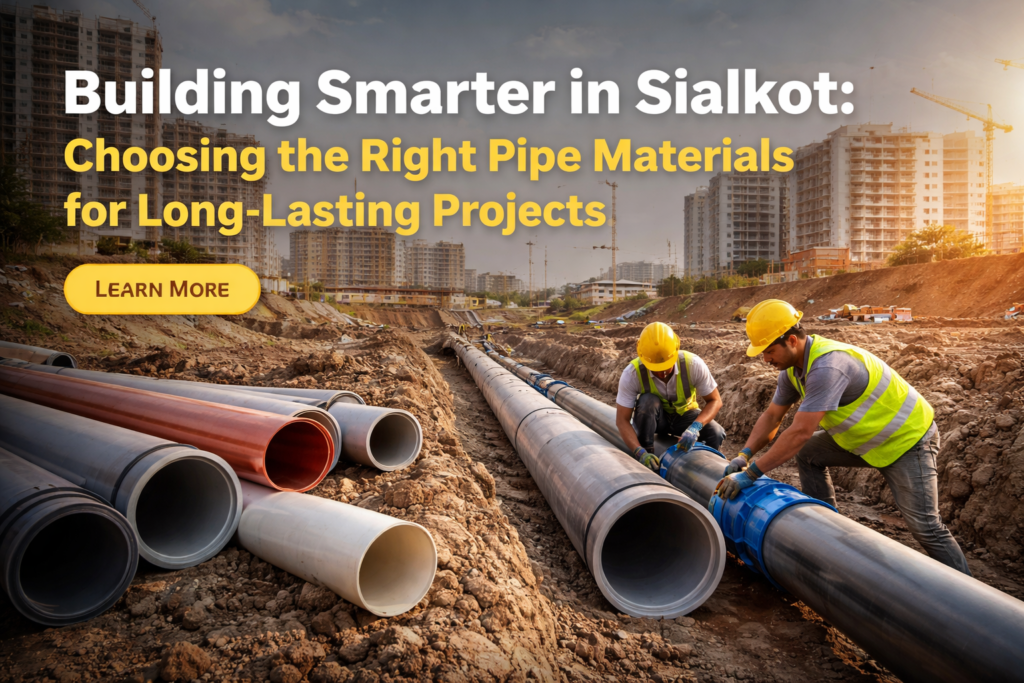
What makes a building project in Sialkot successful? While architectural design and labor are essential, the materials you choose can make or break the project’s durability and cost-effectiveness. In particular, selecting the right pipe materials is a crucial, yet often overlooked decision.
Sialkot, known for its industrial prowess, is rapidly growing, and with that growth, the demand for reliable infrastructure has skyrocketed. The building sector is under increasing pressure to use durable, cost-effective materials that adhere to evolving standards. In this post, we’ll dive into the key trends shaping the pipe materials market in Sialkot’s building sector.
By the end of this article, you’ll understand the most important factors influencing material choice, the latest trends in pipe usage, and how you can stay ahead of the curve to ensure your construction projects are both future-proof and budget-friendly.
What Are the Key Pipe Materials Used in Sialkot’s Building Sector?
The first step in understanding the pipe material needs of the building sector in Sialkot is knowing what materials are being used today. Pipes play an integral role in the construction industry, handling everything from water and sewage to heating and cooling systems. There are several types of pipe materials commonly used in Sialkot’s building projects:
PVC (Polyvinyl Chloride)
PVC pipes are highly popular due to their affordability, lightweight nature, and resistance to corrosion. They are used extensively for plumbing and drainage systems in residential and commercial buildings. Their ease of installation and low maintenance cost makes them ideal for Sialkot’s rapidly developing infrastructure.
Pro Tip: Make sure to invest in high-quality, schedule 40 PVC pipes for increased durability in high-pressure applications.
CPVC (Chlorinated Polyvinyl Chloride)
A step up from standard PVC, CPVC pipes can withstand higher temperatures and are commonly used for hot water distribution. This material is gaining traction in Sialkot’s building sector, especially in high-end residential projects where long-lasting, heat-resistant piping is crucial.
HDPE (High-Density Polyethylene)
HDPE pipes are known for their flexibility, high strength, and ability to resist corrosion, making them a reliable choice for both potable water and drainage systems. Given Sialkot’s expanding industrial sector, HDPE pipes are increasingly used for their robust performance in varying conditions.
Copper Pipes
While more expensive than PVC and HDPE, copper pipes remain a preferred choice for plumbing systems in luxury buildings and commercial properties in Sialkot. Known for their longevity and reliability, copper pipes are resistant to bacteria growth and do not corrode easily.
Real-World Example: Sialkot’s growing industrial parks are incorporating copper piping for their sophisticated HVAC systems, ensuring long-term durability and minimizing future maintenance costs.
How Are Building Regulations Shaping Pipe Material Selection in Sialkot?
One of the primary drivers of pipe material decisions in the Sialkot building sector is local and international regulations. With construction standards evolving to address safety, environmental concerns, and long-term sustainability, the materials used for piping must meet stringent codes.
Fire Safety Standards
Fire resistance is a growing concern in the building industry, particularly with the rise in multi-story buildings. Pipes must be able to withstand high temperatures and contribute to a building’s overall fire safety. As a result, materials like CPVC and copper are favored due to their higher fire resistance compared to standard PVC.
Environmental Sustainability
Increasingly, eco-friendly construction is becoming a norm, and the pipe materials used must adhere to environmental sustainability practices. HDPE pipes, for instance, are favored for their recyclability and minimal environmental impact. Builders in Sialkot are now considering materials that not only offer durability but also have a smaller ecological footprint.
Durability and Corrosion Resistance
Building codes now emphasize the longevity and corrosion resistance of materials used in infrastructure. For this reason, materials like CPVC and HDPE are often chosen, as they can withstand harsh conditions such as water quality variations or exposure to extreme weather conditions.
Expert Insight: According to the Sialkot Builders Association, nearly 65% of recent high-rise projects in Sialkot have opted for CPVC and HDPE pipes to meet both fire safety and environmental requirements.
What Are the Cost Implications of Different Pipe Materials in Sialkot?
When it comes to pipe materials, cost is always a critical consideration. Builders in Sialkot need to balance upfront material costs with long-term maintenance expenses. Here’s a breakdown of cost implications for common pipe materials used in construction:
PVC Pipes
PVC pipes are the most budget-friendly option available. For general plumbing and drainage systems, they offer significant cost savings. However, when it comes to high-temperature applications or projects requiring longer-lasting materials, opting for PVC can lead to higher maintenance costs.
CPVC Pipes
While CPVC is more expensive than PVC, it offers durability and high resistance to heat, making it a cost-effective option in the long term, especially for hot water systems. The higher initial cost of CPVC is often justified by its performance, leading to fewer repairs and replacements.
HDPE Pipes
Although HDPE pipes come with a higher upfront cost compared to PVC, their exceptional durability and resistance to corrosion make them a wise investment. Given Sialkot’s growing industrial sector, HDPE pipes are often the most cost-efficient choice in the long term due to their minimal maintenance needs.
Copper Pipes
Copper pipes are the most expensive option and are typically reserved for premium residential and commercial properties. Despite the higher initial cost, copper’s durability and anti-microbial properties can make it an attractive choice for certain projects.
Comparison Table: Cost Comparison of Common Pipe Materials
| Pipe Material | Initial Cost | Durability | Maintenance Cost |
| PVC | Low | Moderate | Low |
| CPVC | Medium | High | Medium |
| HDPE | Medium | Very High | Low |
| Copper | High | Very High | Medium |
What Are the Latest Trends in Pipe Material Use in Sialkot?
The building sector in Sialkot is undergoing rapid transformation, and with it, the materials used are evolving. Here are some of the latest trends in the region’s pipe material market:
Smart Piping Systems
With the rise of smart building technologies, there is an increasing demand for smart piping systems that integrate sensors for monitoring water quality, flow, and pressure. These systems help reduce waste, prevent leaks, and optimize building performance.
Sustainable Materials
As environmental consciousness rises, sustainable materials like HDPE and recyclable PVC are being increasingly adopted. Builders are also looking for products that can be easily recycled at the end of their life cycle.
Increased Use of Composite Pipes
Composite pipes, which combine materials like steel and plastic, are becoming more popular due to their enhanced strength and corrosion resistance. These pipes are perfect for both hot and cold water systems and are expected to see more widespread use in the near future.
Case Study: A recent office complex in Sialkot chose composite pipes for its plumbing systems due to their high resistance to corrosion and ability to withstand varying water pressures. This decision resulted in lower maintenance costs and fewer system failures over time.
How Can You Choose the Right Pipe Material for Your Sialkot Building Project?
Choosing the right pipe material for your building project in Sialkot depends on several factors, including:
Building Type and Usage
For residential buildings, cost-effective materials like PVC may be sufficient. For industrial or commercial projects, however, you may need more robust materials like HDPE or copper to withstand higher pressures and harsher conditions.
Climate and Environmental Factors
If your building is located in an area with harsh weather conditions, you’ll want to select materials that can withstand extreme temperatures and corrosion. HDPE and copper are good choices for such environments.
Budget Constraints
While it’s tempting to go for the cheapest option, consider the long-term costs of maintenance and repairs. Sometimes, spending a little more upfront on materials like CPVC or HDPE can save you money in the long run.
Pro Tip: Always consult with a local expert or a professional contractor who understands the unique conditions of the Sialkot building market to make the most informed decision.
Conclusion
Choosing the right pipe materials is crucial for the success of any construction project, especially in a rapidly growing region like Sialkot. By considering factors such as durability, cost, building regulations, and sustainability, you can make smarter choices that will ensure your infrastructure is built to last.
In summary:
- PVC is a cost-effective option for standard plumbing needs.
- CPVC and HDPE offer long-term benefits for projects requiring higher durability.
- Stay ahead by adopting trends like smart piping and sustainable materials.
If you’re embarking on a construction project in Sialkot, make sure you’re informed about the latest pipe material trends to optimize your project’s efficiency, cost, and sustainability.
FAQ
What are the most common pipe materials used in Sialkot’s building sector?
The most common pipe materials in Sialkot include PVC, CPVC, HDPE, and copper. Each has its advantages, with PVC being cost-effective and CPVC and HDPE providing enhanced durability.
How does climate affect pipe material choice in Sialkot?
Climate plays a significant role in pipe material choice. In areas with extreme weather conditions, materials like HDPE and copper are preferred for their resistance to corrosion and ability to withstand varying temperatures.
What are the environmental benefits of using HDPE pipes?benefits of using HDPE pipes?
HDPE pipes are eco-friendly as they are 100% recyclable and have a minimal environmental footprint. They also have a long lifespan, reducing the need for frequent replacements.
Is copper worth the higher cost for Sialkot building projects?
Yes, copper is worth the higher initial cost for luxury or high-end commercial buildings. It offers exceptional durability, resistance to bacteria, and longevity, making it a valuable investment for long-term infrastructure.
What trends should builders in Sialkot watch for in 2024?
In 2024, builders in Sialkot should watch for trends like the increased use of smart piping systems, sustainable materials, and composite pipes, which combine durability with advanced technology.