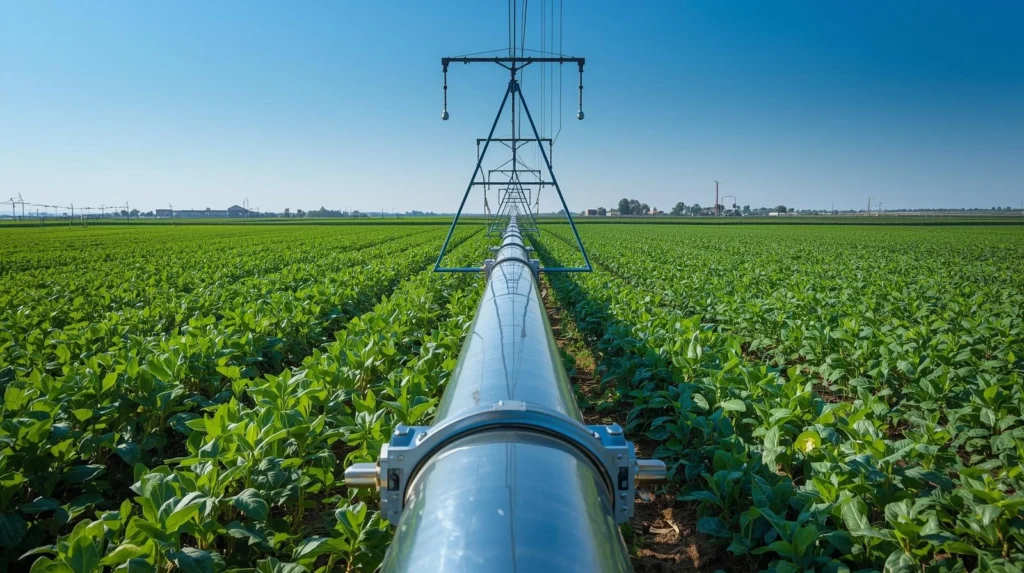
Are you struggling with inconsistent water supply for your crops? Have you experienced the challenge of inefficient irrigation systems affecting your agricultural yield? If so, you’re not alone. Many farmers in regions like Multan face similar issues, especially as water scarcity becomes an increasing concern.
In Multan, where agriculture forms the backbone of the economy, having access to a reliable irrigation pipeline system is crucial for sustainable farming. From improving water distribution to ensuring crops receive the necessary nourishment, modern irrigation pipelines are the answer to many of these challenges.
In this article, you’ll learn how irrigation pipeline services in Multan offer reliable solutions for better water management, sustainable farming practices, and increased productivity. Let’s explore the key benefits and how they can transform your agricultural operations.
Why is Irrigation Pipeline Systems Crucial for Multan’s Agriculture?
Agriculture is the mainstay of Multan’s economy, known for its vast agricultural lands and crop diversity, including cotton, wheat, and sugarcane. However, maintaining a steady and reliable water supply is increasingly difficult due to fluctuating rainfall patterns and rising water demand.
Irrigation pipelines provide an efficient and effective solution to this issue. Instead of relying on traditional flooding methods or inconsistent canal systems, an irrigation pipeline delivers water directly to crops, ensuring that each plant receives the right amount of water at the right time.
For example, a study by the Food and Agriculture Organization (FAO) shows that precision irrigation techniques, such as drip or sprinkler systems, can reduce water usage by up to 50%, while increasing crop yields by 20-40% . With proper irrigation pipelines in place, farmers in Multan can combat water scarcity, enhance crop health, and achieve better productivity.
Pro Tip:
If you’re in a region where water is limited, consider drip irrigation pipelines to target water directly to the plant roots, reducing waste and increasing water efficiency.
What Are the Types of Irrigation Pipeline Systems in Multan?
When it comes to choosing the right irrigation pipeline system for your farm, there are several options, each suited to different farming needs. Let’s look at the most common types used in Multan’s agricultural landscape.
1. Drip Irrigation System
Drip irrigation is one of the most water-efficient methods, ideal for areas where water conservation is essential. It delivers water directly to the plant’s root zone via a network of pipes, tubes, and emitters. This minimizes evaporation and runoff, making it suitable for crops like vegetables, fruits, and cash crops.
2. Sprinkler Irrigation System
Sprinkler systems are ideal for large fields and can cover a wide area. They simulate rainfall, distributing water evenly over the crops. These systems are versatile and can be used for a variety of crops, especially in areas where soil conditions are variable.
3. Surface Irrigation Pipeline System
This method involves the use of gravity to direct water flow through channels and pipelines. While it’s more labor-intensive compared to drip or sprinkler systems, it is cost-effective and suitable for larger farms with less precision required in water distribution.
4. Subsurface Irrigation
This type of system involves placing the pipes below the soil surface, which helps reduce evaporation and ensures that water is delivered directly to the root zone. It is perfect for areas with high evaporation rates or saline conditions.
Each system has its advantages, and the best choice will depend on your specific farm’s needs, water availability, and crop type.
Pro Tip:
Consult with an irrigation specialist to determine the best system based on soil type, crop needs, and available water resources. Tailored solutions can help maximize your investment.
How Do Irrigation Pipelines Contribute to Water Conservation in Multan?
Water conservation is one of the biggest challenges in agriculture today, especially in arid regions like Multan. Efficient irrigation systems, such as pipelines, can play a crucial role in ensuring that every drop counts.
A report by the Pakistan Water Partnership highlights that approximately 40-50% of irrigation water is lost due to evaporation, leakage, and inefficiency in traditional irrigation methods . However, modern pipeline systems can reduce these losses significantly.
- Efficient Water Use: With pipelines, water is delivered directly to crops, minimizing wastage due to evaporation and runoff.
- Controlled Distribution: Irrigation pipelines can be programmed to deliver water based on the crop’s water requirements, avoiding over-watering and ensuring that crops get the right amount of water at all times.
In Multan, where water availability is critical, an efficient irrigation pipeline system can lead to massive water savings, improving long-term sustainability and crop health.
Expert Insight:
By implementing an irrigation pipeline system with a proper scheduling system, you can reduce water usage by 25-40% without sacrificing crop yield. This not only conserves water but also reduces operational costs.
What Are the Benefits of Investing in Agricultural Irrigation Pipeline Services in Multan?
Investing in agricultural irrigation pipeline services offers numerous benefits to farmers in Multan. Beyond water conservation, these systems improve crop yield, reduce labor costs, and enhance overall farm efficiency. Here’s how:
1. Increased Crop Yield
By providing consistent water supply to crops, irrigation pipelines ensure that crops receive the right amount of moisture for optimal growth. This leads to healthier plants and higher yields. A case study in the Punjab region showed that the introduction of drip irrigation pipelines resulted in a 35% increase in crop yield for cotton farmers .
2. Labor Savings
Traditional irrigation methods require significant manual labor for water distribution. With automated irrigation pipeline systems, you can reduce labor costs while ensuring precise water delivery. This is especially beneficial in Multan, where the cost of labor can be high during peak seasons.
3. Enhanced Crop Health
Irrigation pipelines help maintain uniform water distribution, preventing waterlogging or drought stress, both of which can harm crops. With precise control, farmers can also prevent the spread of diseases associated with over-watering or inconsistent watering patterns.
4. Cost Savings
While the initial investment in irrigation pipeline services may seem high, the long-term savings on water, labor, and fertilizer costs are substantial. Farmers who switched to efficient irrigation systems have reported reductions in water consumption by up to 40%, leading to significant savings over time.
How Can Farmers in Multan Select the Right Irrigation Pipeline Service Provider?
When selecting an irrigation pipeline service provider, it’s essential to consider factors such as expertise, quality of equipment, customer support, and system customization.
Key Considerations:
- Experience: Choose a provider with experience in the specific irrigation needs of Multan’s agricultural sector.
- Quality of Materials: Opt for high-quality pipes and components that will last longer and reduce maintenance costs.
- Tailored Solutions: Look for providers who offer customized solutions based on your farm’s unique requirements.
- Maintenance and Support: Ensure that the service provider offers ongoing support and maintenance services to keep the system running efficiently.
Pro Tip:
Don’t hesitate to ask for case studies or references from previous clients to gauge the reliability and effectiveness of the provider’s solutions.
Conclusion
Irrigation pipelines are a game-changer for farmers in Multan, offering a sustainable solution to water scarcity, improving crop yield, and enhancing farm productivity. By investing in the right system, farmers can achieve better water management, reduce costs, and contribute to a more sustainable agricultural future.
If you’re looking to boost your farm’s efficiency, it’s time to consider upgrading to a modern irrigation pipeline system. Don’t let outdated irrigation methods hold back your potential—explore the wide range of pipeline services available and watch your crops thrive.
FAQ Section
1. What is the cost of installing an irrigation pipeline system in Multan?
The cost varies depending on the type of system (drip, sprinkler, or subsurface) and the size of the land. On average, a drip irrigation system can cost between PKR 50,000 to PKR 100,000 per acre.
2. How long do irrigation pipelines last?
With proper maintenance, high-quality irrigation pipelines can last up to 10-15 years. Regular cleaning and inspection help extend their lifespan.
3. Can irrigation pipelines reduce water wastage?
Yes, irrigation pipelines are designed to deliver water directly to the plant roots, minimizing evaporation and runoff, leading to significant water conservation.
4. Are there any government incentives for installing irrigation systems?
Yes, the Pakistani government often provides subsidies and financial support for farmers to install modern irrigation systems. Check with local agricultural departments for current incentives.
5. What maintenance is required for irrigation pipelines?
Routine maintenance includes cleaning emitters, checking for leaks, and inspecting the entire system for blockages. Regular servicing ensures optimal performance.
6. Can I install an irrigation pipeline system on my own?
While it’s possible for small farms, we recommend consulting professionals for larger operations to ensure proper installation, which will save time and money in the long run.