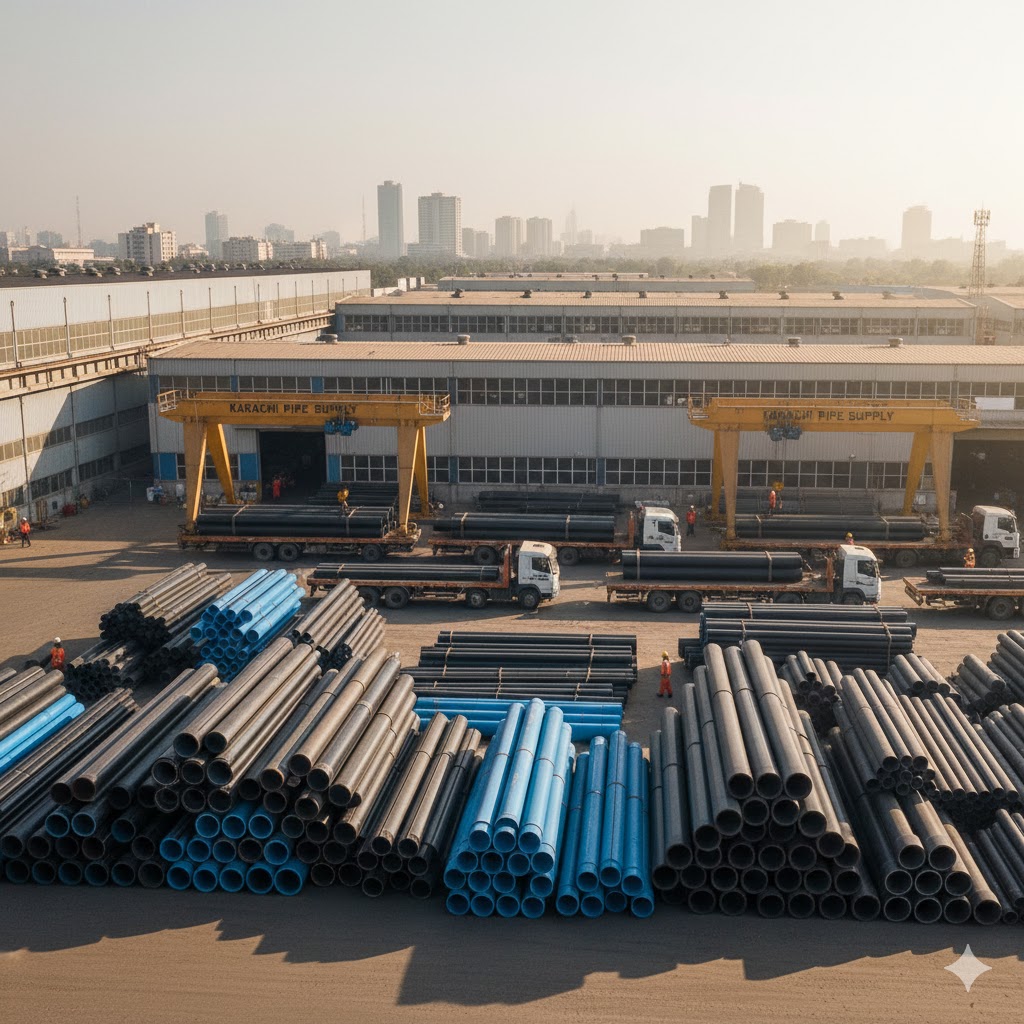
Have you ever wondered how industries in Karachi—one of Pakistan’s largest and most dynamic cities—handle their ever-growing demand for pipes? From construction to water supply, the need for reliable pipe manufacturing is ever-present. However, in a bustling city like Karachi, the ability to meet this demand with quality, consistency, and cost-efficiency is becoming increasingly challenging.
In this post, we’ll explore the intricacies of Karachi’s pipe manufacturing industry, uncovering the factors driving demand and the key challenges suppliers face. By the end of this article, you’ll gain a thorough understanding of the current market dynamics, potential opportunities, and how you can capitalize on the trends in Karachi’s pipe supply chain.
Why Is Pipe Manufacturing So Critical for Karachi’s Infrastructure?
Karachi, Pakistan’s economic powerhouse, is home to millions of people, businesses, and industries. As the population grows and infrastructure projects increase, the demand for high-quality pipes is soaring. Pipes are essential for various sectors—particularly for water supply, drainage systems, construction, and gas distribution. Let’s look at the reasons why pipe manufacturing is pivotal to the city’s infrastructure:
- Urbanization and Population Growth: Karachi’s population has been rapidly growing, leading to an increased demand for infrastructure. This has resulted in the need for more pipes to meet water supply, sewage systems, and construction requirements.
- Construction Boom: With a rise in real estate development, including residential and commercial buildings, there’s a higher demand for piping systems that ensure effective plumbing, drainage, and heating.
- Industrial Growth: Karachi’s port city status has led to a boom in industries, creating an even greater need for specialized piping solutions, such as those for chemicals, gases, and oil pipelines.
Pro Tip:
The key to success in the Karachi pipe manufacturing market lies in adapting to the city’s diverse needs, from large-scale construction projects to residential plumbing.
How Is the Pipe Manufacturing Industry in Karachi Evolving?
The pipe manufacturing industry in Karachi has witnessed significant transformation in recent years. Technological advancements, shifts in raw material sources, and increased regulatory pressures have all played a role in shaping the market. Here’s a closer look at how these factors are influencing the pipe manufacturing landscape:
Technological Advancements
Manufacturers in Karachi are increasingly adopting cutting-edge technology to improve production efficiency and reduce costs. Modern extrusion techniques and automated production lines are helping manufacturers produce high-quality pipes at scale.
Use of Alternative Materials
With growing environmental concerns, manufacturers are exploring alternative materials to produce eco-friendly pipes. For instance, the use of PVC, HDPE (high-density polyethylene), and other non-corrosive materials is on the rise, offering improved durability and environmental benefits.
Regulatory Compliance
Government regulations have become stricter, ensuring that the pipes used in Karachi’s water systems are safe and durable. As a result, manufacturers are required to meet new standards for quality, making it imperative for them to invest in quality control measures and certifications.
Case Study: Pipe Manufacturing Innovations
A leading pipe manufacturer in Karachi, Karachi Pipes Ltd., recently implemented a new HDPE pipe production line. This innovation has not only reduced costs by 15% but also ensured compliance with international standards for water supply pipelines. The company has since expanded its market reach, securing contracts with major real estate developers and municipal projects.
What Are the Key Challenges in Karachi’s Pipe Manufacturing Market?
While the demand for pipes in Karachi is high, manufacturers face several challenges that impact their ability to meet market needs efficiently. Let’s dive into these hurdles:
High Raw Material Costs
The cost of raw materials like PVC, steel, and HDPE is volatile, influenced by global supply chains and inflation. Fluctuating prices can disrupt production schedules and increase costs for manufacturers, making it challenging to offer competitive prices.
Infrastructure and Logistics Issues
Karachi’s infrastructure, although improving, still presents logistical challenges. The transportation of raw materials and finished products can be delayed due to traffic congestion or inadequate road conditions, which impacts the timely delivery of orders.
Regulatory and Compliance Hurdles
Complying with local and international regulations can be a bureaucratic and costly process for pipe manufacturers. Ensuring that all products meet stringent quality and safety standards can lead to delays in production and increased operational costs.
Pro Tip:
To navigate these challenges, businesses should diversify their supplier base to mitigate the risks associated with volatile raw material prices and logistics disruptions.
How Is the Demand for Pipes Distributed Across Karachi?
Understanding how pipe demand is distributed across Karachi’s diverse industries can help manufacturers identify high-growth opportunities. The demand for pipes can generally be categorized into the following sectors:
Construction and Real Estate
The construction sector remains the largest consumer of pipes in Karachi. Both residential and commercial projects require an extensive range of pipes for plumbing, sewage, drainage, and HVAC systems. The rise in urban development is pushing the need for efficient piping solutions.
Water and Sewerage Systems
Karachi faces challenges in providing clean water and managing wastewater for its growing population. As a result, there’s a significant demand for water supply and sewerage pipes. The government and private sector are increasingly investing in upgrading the city’s water distribution systems.
Industrial Applications
Karachi is home to various industries, such as textiles, chemicals, and oil, which require specialized pipes for transporting liquids and gases. The demand for industrial-grade pipes is substantial and will continue to grow as these sectors expand.
Case Study: Water Supply and Sewerage Demand
A large-scale government project in Karachi aimed at replacing outdated water supply pipelines has been a key driver of demand for high-quality pipes. The project requires millions of meters of pipes and has led to partnerships between local pipe manufacturers and global suppliers to ensure a steady supply.
How Can Manufacturers Meet the Growing Pipe Demand in Karachi?
With increasing demand, manufacturers need to scale their operations while maintaining quality and managing costs. Here are a few strategies that can help manufacturers thrive:
Lean Manufacturing Techniques
By adopting lean manufacturing principles, pipe manufacturers can streamline production processes, minimize waste, and improve productivity. This can lead to significant cost savings and faster turnaround times.
Investment in Automation
Investing in automation and robotics can help manufacturers enhance production efficiency and quality control. Automated systems can reduce human error, increase output, and lower operational costs in the long run.
Strategic Partnerships
Establishing strategic partnerships with raw material suppliers, logistics companies, and construction firms can help manufacturers ensure a steady supply chain and reduce the risks associated with price fluctuations and delays.
What Are the Growth Opportunities in Karachi’s Pipe Manufacturing Sector?
The future of pipe manufacturing in Karachi looks promising. Let’s explore some key growth opportunities:
Expansion into New Markets
Manufacturers who have historically catered to local markets can explore new opportunities in export markets. With Pakistan’s increasing trade partnerships with neighboring countries, there’s significant potential for expanding pipe exports.
Technological Upgradation
Embracing newer manufacturing technologies, such as 3D printing for custom pipe designs or advanced pipe welding techniques, can offer manufacturers a competitive edge and open up new business avenues.
Government and Infrastructure Projects
With ongoing investments in Karachi’s infrastructure, such as road networks, drainage systems, and water supply upgrades, pipe manufacturers are positioned to capitalize on large government contracts.
Conclusion: Seizing Opportunities in Karachi’s Pipe Manufacturing Market
The pipe manufacturing industry in Karachi is poised for growth, driven by increasing urbanization, infrastructure development, and industrial expansion. However, to capitalize on these opportunities, manufacturers need to navigate challenges such as raw material price volatility, logistical issues, and regulatory compliance.
By adopting innovative manufacturing techniques, diversifying supply chains, and investing in automation, manufacturers can meet the growing demand for pipes in Karachi and ensure long-term success.
If you’re a pipe manufacturer or considering entering this market, now is the time to align your strategies with these emerging trends to stay ahead of the competition.
FAQ: Pipe Manufacturing & Supply Demand Across Karachi
What factors are driving the demand for pipes in Karachi?
Urbanization, the construction boom, industrial expansion, and the need for modern water and sewerage systems are major drivers of pipe demand in Karachi.
What are the most commonly used materials for pipes in Karachi?
PVC, HDPE, and steel pipes are widely used in Karachi due to their durability, cost-effectiveness, and suitability for various applications.
How can manufacturers reduce the impact of fluctuating raw material prices?
Manufacturers can diversify their supplier base, negotiate long-term contracts, and explore alternative materials to mitigate the effects of raw material price volatility.
What role does automation play in pipe manufacturing?
Automation enhances production efficiency, ensures consistent quality, and reduces human error, ultimately leading to cost savings and faster turnaround times.
Are there any emerging trends in pipe manufacturing?
Yes, emerging trends include the adoption of eco-friendly materials, 3D printing for custom pipe designs, and the increased use of smart pipes for monitoring water systems.
What are the challenges faced by pipe manufacturers in Karachi?
Key challenges include high raw material costs, infrastructure and logistics issues, and the need to comply with increasingly stringent regulations.
How can pipe manufacturers tap into export markets?
Manufacturers can explore new markets through strategic partnerships, improving production capabilities, and aligning with international standards to increase their competitive advantage.