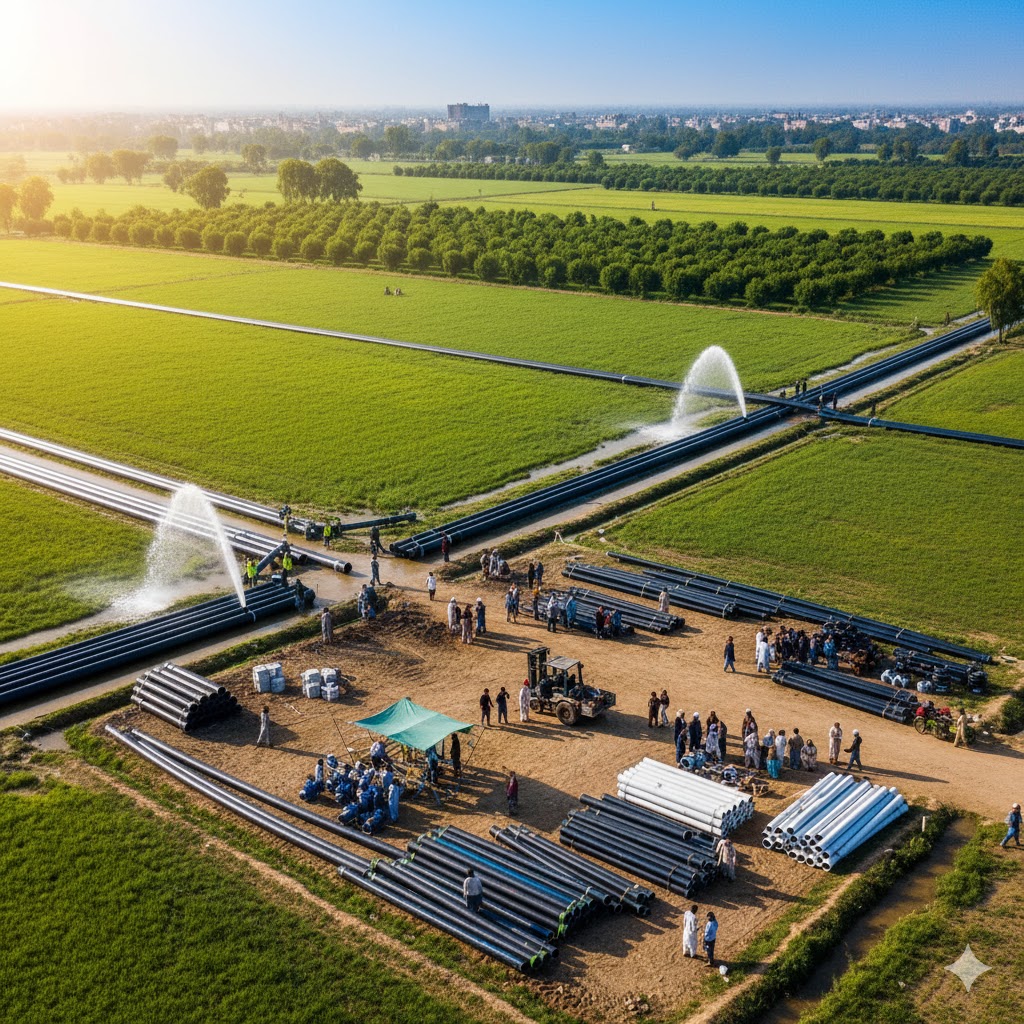
Have you ever wondered how vital irrigation systems are to agriculture, particularly in arid regions like Multan? With its vast agricultural landscape, Multan relies heavily on efficient water distribution systems to support its crops. But, as the demand for water rises, so does the need for more robust irrigation pipelines. This challenge has sparked a boom in the market for irrigation and water pipeline solutions in the region. In this article, we will dive deep into the factors driving this demand, how businesses can capitalize on the opportunities, and the challenges that come with it.
In 2024, Multan’s agricultural sector faces an increasing demand for advanced irrigation systems to meet the growing water needs of local crops, particularly cotton, sugarcane, and wheat. The city’s water infrastructure is at a critical juncture, making the need for reliable and efficient irrigation pipelines more crucial than ever. Here, we’ll explore the key drivers of this market, how companies are responding, and the challenges and opportunities for irrigation pipeline providers in Multan. Whether you are an entrepreneur, business owner, or industry professional, you’ll gain valuable insights on how to navigate this growing market.
Why Is There an Increasing Demand for Irrigation Pipelines in Multan?
Multan, often referred to as the “City of Saints,” is also known for its agricultural significance. The city’s arid climate and reliance on irrigation make it a perfect case study for understanding the growing demand for irrigation pipelines. But why exactly is the demand increasing?
The Impact of Climate Change on Water Resources
The changing climate is making traditional water sources less reliable. Rising temperatures, unpredictable rainfall, and increased evaporation rates are all contributing to water scarcity in the region. In fact, reports suggest that water availability in the region has decreased by 10-15% over the past decade, pushing farmers to adopt more efficient irrigation systems.
Growing Agricultural Demands
Multan plays a pivotal role in Pakistan’s agricultural output, especially for crops like cotton, sugarcane, and rice. With the growing population and higher agricultural productivity demands, farmers are under pressure to ensure consistent crop yields. The solution? Efficient irrigation pipelines that can provide a stable water supply while reducing wastage.
Government Initiatives and Investment
The Pakistani government has recognized the importance of improving irrigation systems, particularly in regions like Multan. The launch of various irrigation projects has prompted increased investments in water infrastructure. In fact, the government has allocated over $200 million for improving irrigation pipelines and water management in the country’s agricultural hubs, including Multan.
What Are the Key Challenges Facing the Irrigation Pipeline Market in Multan?
While the demand for irrigation pipelines in Multan is on the rise, several challenges could potentially hinder market growth. Understanding these challenges is crucial for businesses that want to succeed in this space.
Outdated Infrastructure
Many of the existing irrigation pipelines in Multan are outdated and inefficient. The system’s aging infrastructure leads to significant water loss, especially through leaks and inefficiencies in distribution. Repairing and upgrading these systems is a costly endeavor, creating a significant barrier to adoption for smaller farmers or businesses.
Soil and Water Quality Issues
The quality of water in Multan’s irrigation systems is another concern. Contaminated water or high salinity can damage crops, leading to reduced yields. The pipelines must not only deliver water efficiently but also ensure the quality remains adequate for agricultural use.
Cost and Budget Constraints
Many farmers in Multan, especially those operating on smaller scales, struggle with the high costs of installing modern irrigation pipelines. With budget constraints, businesses often hesitate to invest in long-term solutions. Overcoming this financial barrier requires innovative financing models or government support.
Geographical Challenges
The geographical landscape of Multan also presents logistical challenges. The region’s vast agricultural lands and irregular terrain make pipeline installation difficult. Companies in this space need to adopt adaptive strategies, such as modular or flexible irrigation systems, to navigate these challenges.
How Are Companies Responding to the Growing Demand for Irrigation Pipelines?
Several businesses and organizations have recognized the market potential in Multan and have taken steps to capitalize on the growing demand. Here’s how they’re making it happen.
Adoption of Modern Technology
One of the most significant advancements in the market is the integration of technology into irrigation systems. Smart irrigation systems that include sensors and real-time data monitoring are becoming more common. These systems help farmers monitor soil moisture levels and adjust irrigation schedules to optimize water usage. Companies providing such technology are seeing significant growth in their customer base.
Government and Private Sector Collaboration
Collaboration between the government and private enterprises is also on the rise. For example, a public-private partnership has recently been launched in Multan to replace old irrigation pipelines with more durable and efficient solutions. The partnership aims to serve over 50,000 hectares of farmland in the region, providing a model for future infrastructure projects.
Financial Solutions for Farmers
Recognizing that cost is a barrier, some companies have begun offering financing options for farmers to invest in modern irrigation systems. These financing models spread the cost over a longer period, making it easier for smaller farms to adopt new technologies. For instance, some businesses have partnered with banks to offer low-interest loans to farmers for pipeline installations.
Eco-friendly Alternatives
In response to sustainability concerns, businesses are increasingly offering eco-friendly irrigation pipeline solutions. These pipelines are made from recycled or recyclable materials, reducing the environmental impact. Additionally, they are designed to last longer and require less maintenance, offering a cost-effective and eco-friendly alternative.
What Are the Future Prospects for the Irrigation Pipeline Market in Multan?
The future of the irrigation pipeline market in Multan looks promising. As water scarcity becomes an increasingly pressing issue, both the private and public sectors will continue investing in innovative solutions. Here are some of the key trends to watch for in the coming years.
Growth in Smart Irrigation Solutions
With the rise of the Internet of Things (IoT), smart irrigation systems are expected to grow significantly in Multan. These systems allow farmers to monitor and control water usage from their smartphones or computers, making irrigation more efficient and less resource-intensive.
Expansion of Solar-Powered Irrigation
As the cost of solar panels continues to decrease, solar-powered irrigation systems are becoming an attractive option. Solar-powered systems are particularly relevant in regions like Multan, where sunshine is abundant, offering a sustainable and cost-effective solution for farmers.
Government Support for Sustainable Practices
The government’s focus on sustainability is likely to fuel demand for eco-friendly irrigation solutions. New government policies may offer incentives for businesses and farmers who adopt green technologies, further driving market growth.
International Investment in Pakistan’s Agriculture Sector
The agricultural sector in Pakistan, particularly in regions like Multan, is expected to see increased foreign investment. With more international players entering the market, there will be greater innovation and competition, resulting in better products and services for farmers.
Conclusion
The irrigation pipeline market in Multan is poised for significant growth due to factors such as the rising demand for water, government initiatives, and technological advancements. Companies that address the challenges of outdated infrastructure, water quality, and financial constraints while offering innovative solutions will stand out in this market. Whether you’re an entrepreneur looking to invest in irrigation technology or a farmer seeking efficient solutions for water management, now is the time to explore the opportunities in Multan’s irrigation pipeline market.
FAQ Section
What is the importance of irrigation pipelines in Multan?
Irrigation pipelines are crucial for delivering water to crops in Multan, especially as the region faces water scarcity issues. Efficient pipelines help ensure stable and reliable water supply, improving crop yields.
How can businesses profit from the irrigation pipeline market in Multan?
Businesses can profit by offering advanced irrigation solutions such as smart technology, eco-friendly pipelines, and financing options that make it easier for farmers to adopt new systems.
What are the key challenges for irrigation pipeline providers in Multan?
Challenges include outdated infrastructure, soil and water quality issues, high installation costs, and geographical barriers. Companies need to develop innovative and affordable solutions to address these problems.
How does climate change affect irrigation needs in Multan?
Climate change leads to less predictable rainfall and higher temperatures, exacerbating water scarcity. As a result, efficient irrigation systems are more important than ever for sustaining agriculture in the region.
What are the future prospects for the irrigation pipeline market in Multan?
The future looks bright, with increasing investments in smart irrigation systems, solar-powered solutions, and government support for sustainable practices. These trends promise to drive market growth in the coming years.
Can small farmers in Multan afford modern irrigation pipelines?
While cost is a barrier, companies are offering financing options that make it easier for small farmers to adopt modern irrigation systems. Government support is also helping to reduce costs.
What are the environmental benefits of modern irrigation pipelines?
Modern irrigation pipelines are designed to be more durable and eco-friendly, using recycled materials. These systems reduce water wastage, lower maintenance needs, and contribute to sustainability.