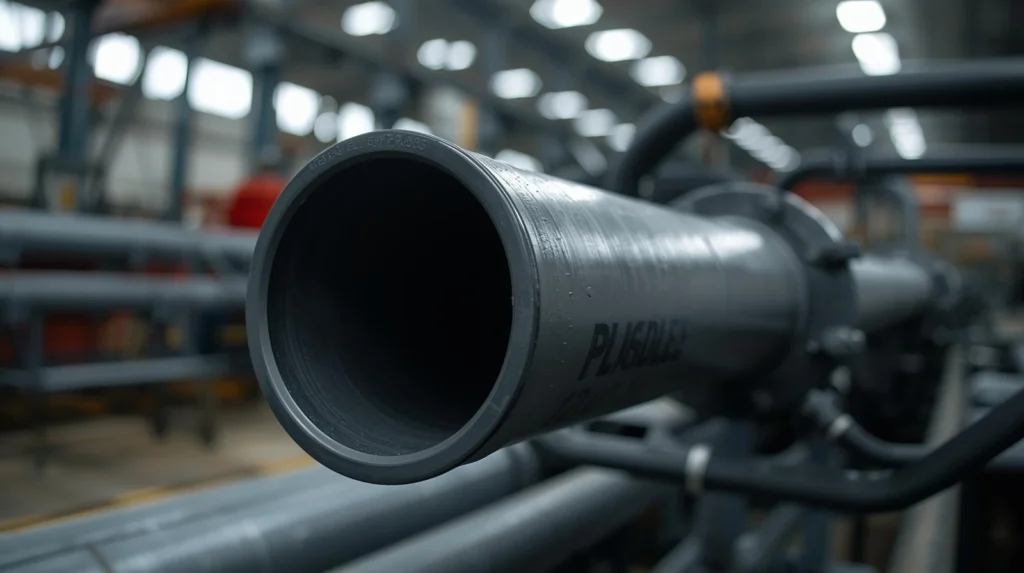
Are you tired of frequent maintenance costs and unreliable piping systems at your factory in Faisalabad?
You’re not alone. Many factory owners face this same challenge—piping systems that deteriorate too quickly, resulting in costly downtime, production delays, and wasted resources. But what if you could install a piping system that not only lasts longer but also saves you money in the long run?
In this post, we’re going to dive deep into industrial PVC piping—the solution that many factories in Faisalabad are turning to for durable, high-quality, and cost-effective plumbing. Whether you’re new to industrial piping or looking to upgrade your existing systems, we’ll cover everything you need to know about why PVC piping is the right choice for your factory.
What You’ll Learn:
- The benefits of industrial PVC piping for factories
- Why PVC is ideal for factories in Faisalabad
- How to ensure you’re making the best investment for your factory’s piping needs
Why is PVC Piping Gaining Popularity in Industrial Settings?
PVC (Polyvinyl Chloride) piping is becoming the go-to choice for industries across the globe, and Faisalabad’s growing industrial sector is no exception. Why is that? It’s simple: PVC pipes offer a unique combination of durability, cost-effectiveness, and ease of installation, making them a top contender for various industrial applications.
But what makes PVC piping stand out from other materials commonly used in factory piping systems, such as steel or copper? Here’s a deeper look.
Pro Tip:
Choosing the right piping material can reduce downtime by up to 30%. PVC piping is known for its long lifespan and minimal maintenance needs, making it a great choice for cost-conscious manufacturers.
Why Choose PVC Piping for Your Factory?
1. What Makes PVC Piping Ideal for Industrial Use?
PVC is one of the most durable and versatile materials available for industrial piping. It’s lightweight, resistant to corrosion, and highly durable under various pressure conditions, which is why it’s often used in factories where reliability is crucial. Whether you’re transporting water, chemicals, or other fluids, PVC can handle the demands of most industrial environments.
In Faisalabad, where many factories deal with humid conditions and fluctuating temperatures, PVC piping performs exceptionally well. Unlike metal pipes, which can rust or degrade over time, PVC pipes maintain their integrity in challenging conditions, leading to fewer breakdowns and a longer lifespan.
Key Benefits of PVC Piping:
- Corrosion Resistance: Unlike metals, PVC doesn’t rust, corrode, or degrade over time.
- Cost-Effective: PVC is significantly cheaper than materials like copper or steel, lowering initial costs.
- Ease of Installation: PVC pipes are lighter and easier to install, reducing labor costs.
- Chemical Resistance: PVC is resistant to a wide range of chemicals, making it suitable for factories with diverse needs.
2. How Durable Is PVC Piping for Industrial Use?
Durability is a key factor when choosing piping for any factory. Industrial settings, especially those in Faisalabad, require materials that can stand up to high-pressure systems, extreme temperatures, and exposure to corrosive substances.
PVC pipes are incredibly strong and can withstand rough conditions. They are designed to endure high levels of pressure, making them perfect for industries like manufacturing, agriculture, and pharmaceuticals. Plus, PVC is resistant to the effects of UV rays, which is particularly important for factories that use outdoor piping.
Real-World Example: A textile factory in Faisalabad switched to PVC piping for their water filtration system, and they reported a significant decrease in pipe leaks and maintenance issues, leading to a more efficient and reliable system.
3. What Are the Cost Savings of Switching to PVC Piping?
PVC piping is highly cost-effective, both in terms of initial installation and long-term maintenance. In fact, it’s one of the most affordable options on the market for industrial piping. The material itself is inexpensive, and installation is straightforward, requiring less labor compared to metal or ceramic pipes.
Cost Comparison of PVC vs. Metal Piping:
| Factor | PVC Piping | Metal Piping (Steel/Copper) |
| Material Cost | Low | High |
| Installation Cost | Low (easy to install) | High (requires special fittings) |
| Maintenance Cost | Low | High (prone to corrosion) |
| Lifespan | 50+ years | 20-30 years |
By investing in PVC, factories can save up to 50% on piping costs alone.
4. How Do PVC Pipes Perform in Harsh Factory Environments?
Factories often operate in harsh environments with extreme temperatures, humidity, and chemical exposure. So, can PVC withstand these conditions?
Yes! PVC piping is highly resistant to chemical damage, making it ideal for factories involved in processes like manufacturing or chemical production. It doesn’t corrode when exposed to harsh chemicals, unlike metal pipes that might degrade over time. Additionally, PVC is perfect for environments where high-temperature fluids are involved, as it can withstand heat up to 60°C (140°F) without losing structural integrity.
5. What Are the Key Considerations When Installing PVC Piping in Factories?
When switching to PVC piping, certain considerations should be taken into account to ensure optimal performance and longevity. These include:
- Proper Sizing: Ensure the pipes are correctly sized for the application. Oversized or undersized pipes can lead to inefficiencies.
- Pipe Fittings: Always use high-quality fittings to prevent leaks and ensure the system works smoothly.
- Installation Method: While PVC is easy to install, it’s essential to follow the correct installation practices to avoid potential problems like joint failure or pipe misalignment.
6. How Does PVC Piping Compare with Other Industrial Materials?
When choosing the right piping material, it’s important to compare the advantages and disadvantages of different options. Let’s see how PVC stands up to other common materials:
- Steel Pipes: Steel is strong and durable but prone to rust and corrosion, especially in moist environments. Steel also requires frequent maintenance and higher installation costs.
- Copper Pipes: While copper is also corrosion-resistant, it’s expensive and not as durable as PVC in extreme conditions. Copper also requires more maintenance due to its susceptibility to degradation over time.
- PVC Pipes: PVC offers superior resistance to corrosion, chemicals, and UV exposure. It’s cost-effective, requires less maintenance, and offers a long lifespan compared to steel or copper.
Conclusion
In summary, industrial PVC piping offers unparalleled benefits for factories in Faisalabad. From its cost-effectiveness to its durability in harsh environments, PVC provides a reliable solution for various industrial applications. Whether you’re looking to replace old piping or install a new system, PVC can help your factory save money, reduce downtime, and improve overall operational efficiency.
Next Steps: Consider reaching out to a trusted PVC piping supplier to discuss your factory’s specific needs and get a quote for your next project.
FAQ
1. How long does PVC piping last in industrial environments?
PVC piping can last up to 50 years, depending on the environment and usage conditions.
2. Can PVC piping be used for high-pressure systems?
Yes, PVC pipes are designed to withstand high pressure and are commonly used in industrial applications requiring strong pressure resistance.
3. Is PVC suitable for outdoor applications?
Yes, PVC piping is resistant to UV rays and can be used outdoors without degrading over time.
4. Does PVC piping require maintenance?
PVC pipes are low-maintenance, but regular inspections are recommended to ensure joints are secure and the system is functioning properly.
5. Can PVC pipes be used for both hot and cold water systems?
PVC pipes can handle temperatures up to 60°C (140°F), making them suitable for both hot and cold water systems in most factory settings.
6. How does PVC compare to CPVC?
While both PVC and CPVC are similar, CPVC is rated for higher temperatures and is better for hot water applications. PVC is typically more cost-effective for general industrial use.
7. Can PVC be used for chemical transportation in factories?
Yes, PVC pipes are highly resistant to chemicals, making them ideal for factories that transport corrosive or hazardous substances.