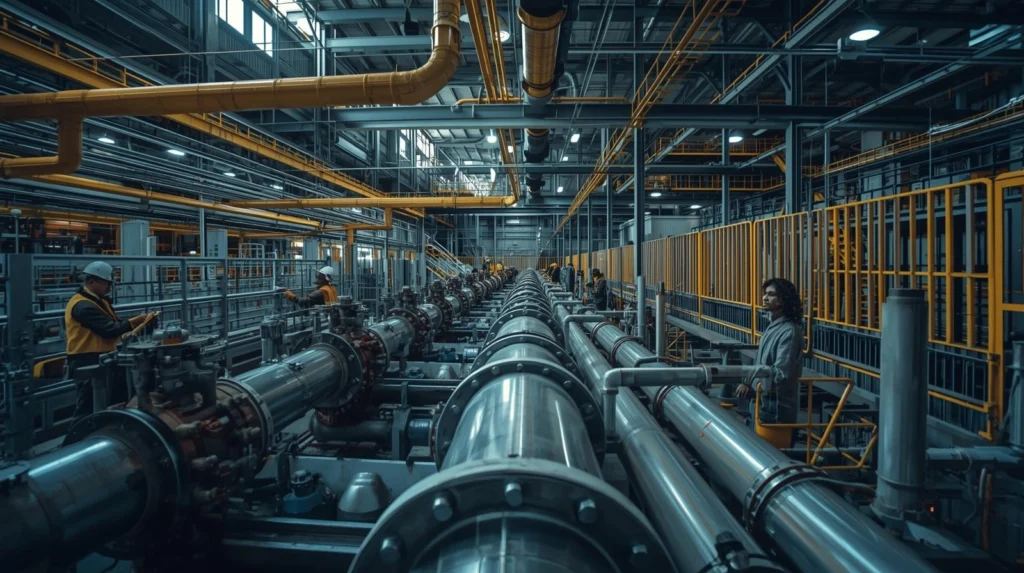
A Vital Component of Industrial Success
Are you managing an industrial piping project in Faisalabad? Or perhaps you’re about to embark on one and feeling unsure about the complexities of planning, execution, and compliance? Industrial piping plays a pivotal role in various manufacturing and production processes, and even a minor flaw can lead to costly delays, safety risks, and operational inefficiencies.
In Faisalabad, one of Pakistan’s most industrially developed cities, the demand for reliable, high-quality piping systems is ever-growing. With textile, chemical, and food processing industries booming, understanding the ins and outs of industrial piping project execution is essential for both local manufacturers and international investors.
This guide will provide you with everything you need to know to execute industrial piping projects successfully in Faisalabad, from the planning stages to final installation. We’ll cover common challenges, best practices, and real-world insights that will ensure your project’s success.
Table of Contents
- What Are Industrial Piping Systems and Why Are They Important?
- What Are the Key Phases in an Industrial Piping Project?
- How Do You Plan and Design an Industrial Piping System?
- What Are Common Challenges in Industrial Piping Projects in Faisalabad?
- How to Ensure Compliance with Local and International Standards?
- What Materials Are Best for Industrial Piping in Faisalabad?
- What Are the Latest Trends in Industrial Piping?
- How to Maintain and Troubleshoot Industrial Piping Systems?
High-Quality Pipes & Fittings – Built to Last
What Are Industrial Piping Systems and Why Are They Important?
Industrial piping systems are the network of pipes and fittings that transport fluids, gases, and other materials within an industrial setting. These systems are found in factories, power plants, refineries, and chemical processing units. They’re critical for ensuring smooth, safe, and efficient operations across industries.
In Faisalabad, where industries such as textiles, chemicals, and food processing are prevalent, industrial piping systems are essential for carrying everything from water to raw materials to finished products. A robust piping system directly impacts production efficiency, product quality, and even safety in the workplace. For example, in a textile unit, a poorly designed piping system could lead to inefficient water use, production delays, or even accidents.
Pro Tip: The success of your industrial piping project depends on ensuring that the right system is designed, constructed, and maintained properly. Start by understanding your specific industry needs before diving into technical details.
What Are the Key Phases in an Industrial Piping Project?
Industrial piping projects can seem overwhelming due to their complexity and size, but breaking them into phases makes them more manageable. The major phases of any industrial piping project include:
1. Feasibility Study & Preliminary Design
At the outset, it’s essential to evaluate the requirements of the project. This includes considering the scope, budget, and potential risks. Feasibility studies help identify whether the project is viable and ensure that the design aligns with both operational needs and safety standards.
2. Detailed Engineering & Design
Once the feasibility is established, a more detailed design phase follows. The piping system is planned in detail here, including layout, materials, pipe sizes, and fittings. Designers also factor in fluid dynamics and environmental conditions such as pressure, temperature, and corrosion.
3. Procurement & Fabrication
This phase involves sourcing materials and manufacturing custom parts if necessary. It’s crucial to choose quality materials to ensure longevity and efficiency. Internationally recognized standards, such as ASTM and ASME, must guide this process.
4. Construction & Installation
The piping system is assembled and installed according to the designs. This phase requires rigorous project management and skilled labor to ensure accurate installation.
5. Testing & Commissioning
Once the piping is installed, it must be tested under operational conditions to ensure it functions properly. Leak tests, pressure tests, and other checks are necessary to confirm the system’s reliability before it is commissioned for full use.
6. Maintenance & Troubleshooting
After the system is operational, regular maintenance is essential to prevent issues. This involves checking for leaks, corrosion, or any operational inefficiencies. Additionally, troubleshooting is vital for maintaining smooth operations.
Real-World Example: In Faisalabad’s textile industry, a company may need to design a piping system that handles dye and chemical transportation. The design phase would focus heavily on corrosion-resistant materials, while the installation phase would require skilled technicians to ensure proper sealants and joints to prevent leaks.
How Do You Plan and Design an Industrial Piping System?
Planning and designing an industrial piping system requires a deep understanding of both engineering principles and the specific requirements of the industry. Here’s how to approach it:
1. Understand the Process Requirements
First, gather detailed information on the materials that will flow through the pipes (e.g., water, chemicals, air), as well as the system’s pressures, temperatures, and flow rates. This information will guide the pipe selection and system layout.
2. Choose the Right Materials
Selecting the appropriate materials for pipes, fittings, and valves is crucial. Materials need to be resistant to corrosion, high temperatures, and pressure. For instance, in the chemical industry, you might need stainless steel or alloy pipes, while in textile factories, PVC or mild steel might suffice for water and air flow.
3. Account for Safety Standards
Safety is a primary concern in industrial piping systems. Incorporate safety valves, expansion loops, and other protective measures to minimize risks like pipe bursts or pressure failure. Ensure that the design complies with local and international safety standards.
4. Draft a Detailed Layout
The layout should include the exact placement of pipes, valves, joints, and other fittings. The layout should minimize the risk of blockages, leaks, or pressure drops. Digital tools like CAD can help create precise diagrams.
Expert Insight: The design of an industrial piping system should not only meet the current requirements but also consider future upgrades or expansions. Overdesigning the system can help avoid costly modifications later.
What Are Common Challenges in Industrial Piping Projects in Faisalabad?
Faisalabad’s industrial sector, especially its textile, chemical, and food industries, faces several unique challenges in executing industrial piping projects. Here are some of the most common ones:
1. Fluctuating Quality of Local Materials
While Faisalabad has a growing industrial infrastructure, the quality of locally available materials for piping can vary. Sourcing internationally certified materials is essential to ensure the durability of the piping system.
2. Skilled Labor Shortage
The shortage of skilled labor can lead to inefficiencies in installation, potentially increasing costs and delays. Ensuring that contractors and workers are adequately trained is key to overcoming this challenge.
3. Regulatory Compliance
Faisalabad units must comply with both local and international safety standards, and this can sometimes be a challenge. Navigating through local regulatory requirements while adhering to international standards can be complex.
4. Environmental Conditions
Faisalabad’s climate, with its temperature extremes, can place stress on materials over time. Proper design, including the selection of corrosion-resistant materials, is crucial.
Real-World Example: A textile unit in Faisalabad faced a significant delay due to using substandard piping materials for steam transportation. The pipes corroded faster than expected, causing production shutdowns and additional costs. This was an issue easily avoidable with better material selection during the design phase.
How to Ensure Compliance with Local and International Standards?
Ensuring compliance with local regulations and international standards is a non-negotiable aspect of any industrial piping project. Here’s how to ensure your project stays on track:
1. Understand the Regulatory Framework
In Pakistan, regulatory bodies like the Pakistan Standards and Quality Control Authority (PSQCA) set standards for industrial piping systems. Additionally, international standards from organizations like ASME (American Society of Mechanical Engineers) and ISO must be adhered to for global compliance.
2. Hire Certified Professionals
Ensure your team is composed of professionals who are familiar with both local regulations and international standards. Hiring engineers with certifications can reduce the risk of non-compliance.
3. Conduct Regular Audits
Before finalizing the project, conduct internal audits to verify that every component of the piping system meets regulatory standards. Regular checks during the installation and commissioning phases also help.
Pro Tip: Working with experienced local and international contractors who have a track record of compliance is often the best way to avoid future issues related to legal or safety compliance.
What Materials Are Best for Industrial Piping in Faisalabad?
Selecting the right materials for your piping system in Faisalabad depends on several factors like the type of fluid being transported, temperature, pressure, and environmental conditions. Here are some common materials used in industrial piping:
1. Stainless Steel
Ideal for industries that deal with corrosive fluids or high-temperature processes. It’s commonly used in the food and chemical industries.
2. PVC (Polyvinyl Chloride)
Cost-effective and lightweight, PVC is frequently used in textile industries for water transportation and air systems.
3. Mild Steel
Mild steel pipes are used in systems with low to moderate pressures and temperatures. They are common in industries like textiles.
4. Copper
Copper is used for smaller, specialized piping systems, particularly in HVAC and plumbing applications within industrial units.
Expert Insight: Consider future-proofing your system by opting for materials that allow for easy upgrades and modifications. For instance, stainless steel offers long-term durability, but may come at a higher initial cost.
Conclusion: Successfully Executing Industrial Piping Projects in Faisalabad
Executing industrial piping projects in Faisalabad requires careful planning, understanding of local and international standards, and the ability to anticipate and mitigate potential challenges. By following best practices in design, materials selection, and compliance, you can ensure the efficiency and longevity of your system, avoiding costly repairs and downtime.
If you’re about to start an industrial piping project in Faisalabad, remember: each phase is crucial to the project’s success, from feasibility and design to installation and maintenance. Stay proactive in addressing challenges, focus on quality materials, and work with experts who understand both local and global regulations.
FAQ Section
Q1: What is the primary challenge when executing an industrial piping project in Faisalabad?
The primary challenge is sourcing high-quality materials locally. Fluctuations in material quality can lead to increased maintenance costs and system inefficiencies.
Q2: What are the best materials for piping in Faisalabad’s textile industry?
PVC and mild steel are commonly used for water and air transportation in textile units. They’re cost-effective and suitable for medium-pressure applications.
Q3: How do I ensure my piping system complies with international standards?
Work with certified engineers and contractors who are well-versed in both local and international standards. Regular audits and checks during installation will also ensure compliance.
Q4: Can industrial piping systems in Faisalabad handle extreme temperatures?
Yes, with proper material selection, such as stainless steel for high-temperature applications, piping systems can be designed to handle the extreme temperatures typical of Faisalabad’s industrial environments.
Q5: What steps can I take to prevent piping system failures?
Prevent failures by conducting regular maintenance, choosing durable materials, and ensuring proper installation practices. Investing in corrosion-resistant pipes can help prevent long-term damage.