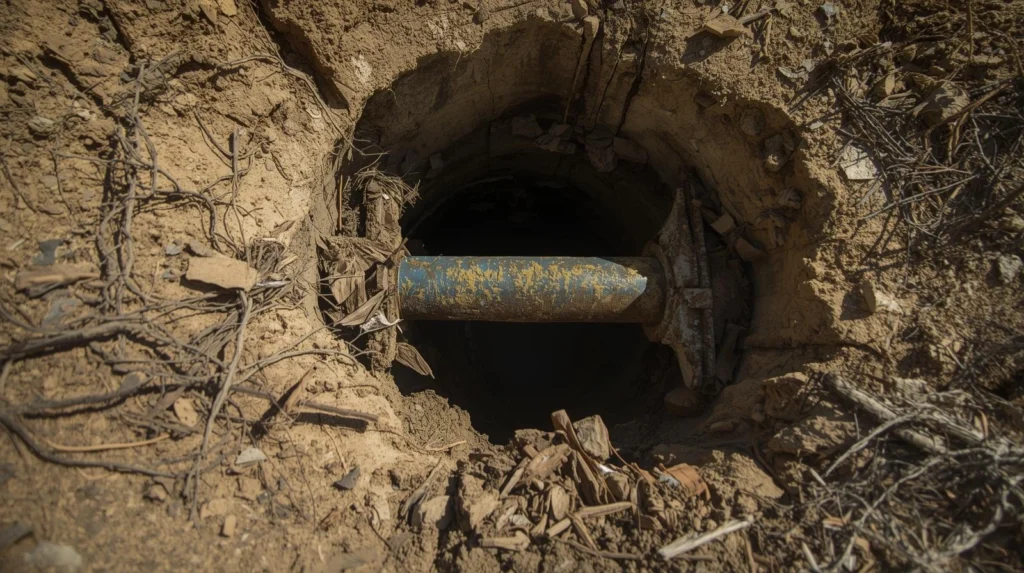
Have you ever wondered how climate change impacts underground infrastructure, particularly pipes that are buried beneath the earth’s surface? As temperatures fluctuate and weather patterns become increasingly unpredictable, the pressure on underground pipes intensifies, leading to more frequent and costly damage. In Pakistan, where infrastructure challenges are already prevalent, climate change has added another layer of complexity.
In this blog, we will explore the effects of climate change on underground pipes, how these effects exacerbate existing challenges, and what actions can be taken to mitigate the damage. By understanding these factors, businesses, municipalities, and stakeholders can make informed decisions on how to improve infrastructure resilience in a changing climate.
How Does Climate Change Impact Underground Pipes in Pakistan?
The underground pipes in Pakistan, whether used for water distribution, sewage systems, or gas pipelines, are vital to the country’s infrastructure. Climate change affects these systems in multiple ways, from extreme temperature variations to more frequent flooding. Below are some of the major factors at play.
Temperature Extremes and Pipe Material Degradation
In Pakistan, climate change has led to temperature extremes, with summers growing hotter and winters colder. These fluctuations have a significant impact on the materials used for underground pipes, such as PVC, steel, and cast iron. Extreme heat can cause the pipes to expand and become more brittle, while cold temperatures can cause them to contract and crack. Over time, these repeated thermal stresses weaken the pipes, leading to more frequent cracks and leaks.
Pro Tip: Use materials with higher resistance to temperature fluctuations, such as composite materials, to reduce the risk of thermal stress damage.
Soil Movement and Pipe Shifting
Climate change also exacerbates soil movement. As the climate heats up, the soil dries and shrinks, leading to ground settlement. On the other hand, when there is heavy rainfall or flooding, the soil becomes saturated and expands. These shifts in soil volume and movement can cause underground pipes to shift, crack, or even become misaligned, leading to blockages or water loss.
Expert Insight: Engineers suggest reinforcing pipe systems in regions prone to heavy rains or dry spells by installing expansion joints and better supports to accommodate soil movement.
Increased Frequency of Flooding
Flooding has become more common due to unpredictable rainfall patterns, especially during the monsoon season. This is problematic for underground pipes, as prolonged exposure to water can lead to corrosion, weakening the structure of the pipes over time. Additionally, flooding can cause the displacement of pipes, leading to further damage.
Water Table Rise and Groundwater Infiltration
In areas where the water table rises due to increased rainfall or flooding, there is a higher risk of groundwater infiltration into the underground piping system. This can cause corrosion of metal pipes and lead to a breakdown in the quality of water transported through them. In some cases, underground pipes can become overwhelmed, leading to a breakdown of essential services.
Actionable Takeaway: Regularly inspect and maintain underground pipes in areas with fluctuating water tables to ensure they are not vulnerable to groundwater intrusion.
Case Studies and Real-World Examples
- Karachi’s Water Distribution Systems:
In Karachi, extreme heatwaves and flooding have caused significant wear and tear on the city’s water distribution infrastructure. Aging pipes, especially in the city’s older areas, have been severely impacted by these changes. Many of the city’s water supply systems suffer from water loss, with leaks from cracked pipes exacerbating water shortages. - Lahore’s Sewerage System:
In Lahore, which experiences heavy monsoons and rising temperatures, the sewerage system faces regular flooding, increasing the likelihood of pipe damage. In 2025, a sudden rise in temperature coupled with prolonged rains caused multiple sewage pipe bursts across the city, leading to massive disruptions and public health concerns. - Peshawar’s Gas Distribution Networks:
Peshawar’s gas distribution networks are increasingly vulnerable to climate-induced soil movement. During winter, freezing temperatures cause the ground to shift, creating pressure on gas pipes, leading to several instances of leaks and gas supply interruptions.
Pro Tip: Investing in climate-resilient infrastructure can reduce long-term costs by preventing frequent repairs and replacements.
What Measures Can Be Taken to Protect Pipes from Climate Change?
1. Improved Pipe Materials
One way to improve the resilience of underground pipes is by upgrading to modern, climate-resistant materials. Composite pipes, for example, offer improved durability against temperature changes, pressure, and corrosion compared to traditional materials like steel or cast iron. These materials can withstand extreme temperatures and prevent cracks from forming.
2. Enhanced Pipe Insulation
In regions prone to extreme temperatures, proper insulation of underground pipes can help mitigate the effects of thermal expansion and contraction. Insulation reduces the direct impact of temperature fluctuations on the pipes, prolonging their lifespan.
3. Regular Inspections and Monitoring Systems
It is essential to regularly monitor underground pipes for potential damage. Implementing smart sensors and monitoring systems can help identify weaknesses in the pipes early on, allowing for timely repairs before the damage escalates. These systems can track water pressure, flow rate, and even soil conditions, providing real-time data to maintenance teams.
Expert Insight: Local municipalities should adopt Geographic Information Systems (GIS) to track the condition of pipes and prioritize areas in need of attention.
4. Reinforced Structural Support for Pipes
In areas with significant soil movement, reinforcing pipes with structural supports can help prevent damage. Expansion joints should be installed where pipes need to accommodate soil movement, ensuring that shifts in the ground do not cause pipe misalignment or bursts.
5. Flood Management and Pipe Elevation
In flood-prone areas, one effective strategy is to elevate the pipes above potential water levels. Installing pipes above ground or using elevated bridges can protect critical infrastructure from floodwaters. Additionally, effective flood management systems can help divert excess water away from underground pipes.
Conclusion:
The effects of climate change on underground pipes in Pakistan are becoming more apparent as extreme weather conditions and shifting soil patterns continue to pose risks to infrastructure. By understanding these challenges and implementing proactive measures, such as using climate-resistant materials, reinforcing pipes, and monitoring pipe conditions regularly, stakeholders can ensure a more resilient and sustainable infrastructure system.
By taking these necessary steps, Pakistan can mitigate the adverse effects of climate change on its underground piping systems and reduce the potential for costly damage and service interruptions.
FAQ Section:
1. How do temperature fluctuations affect underground pipes?
Temperature fluctuations can cause pipes to expand or contract, leading to cracks or breaks. Extreme heat can make pipes brittle, while cold temperatures can cause them to shrink, increasing the risk of damage.
2. What materials are most resistant to climate change-induced damage?
Composite materials, such as reinforced thermoplastic and fiberglass, offer better resistance to temperature changes, pressure, and corrosion compared to traditional metals like steel and cast iron.
3. How does flooding impact underground pipes?
Flooding can cause corrosion, displacement, or misalignment of underground pipes. Prolonged exposure to water can weaken their structure, leading to leaks and blockages.
4. What steps can be taken to prevent soil movement from damaging pipes?
Reinforcing pipes with structural supports, installing expansion joints, and using flexible materials can help mitigate the effects of soil movement on underground piping systems.
5. How can smart monitoring systems help protect underground pipes?
Smart sensors and monitoring systems can track pipe conditions in real-time, helping identify potential issues early on. This allows for timely repairs and reduces the risk of significant damage.
6. Why is regular inspection important for underground pipes?
Regular inspections help detect early signs of damage, such as cracks, leaks, or misalignment. Proactive monitoring allows for preventive maintenance, minimizing repair costs and service disruptions.