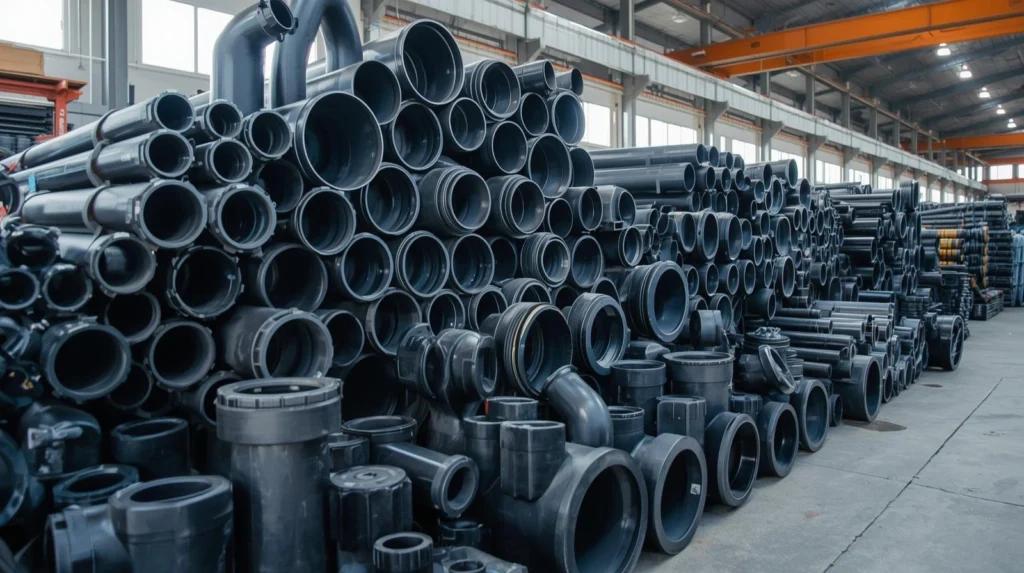
Are you struggling to find reliable HDPE pipe suppliers in Gujranwala who offer quality and cost-effective solutions?
You’re not alone. Many business owners and construction managers face the challenge of selecting the right supplier for HDPE pipes and fittings, which are crucial for a variety of industrial, agricultural, and plumbing projects. Whether you’re working on a water distribution system or a drainage project, finding the right supplier can be the difference between a successful project and unnecessary delays or expenses.
The good news? In this post, we’ll dive deep into everything you need to know about HDPE pipes and fittings, the benefits of choosing the right supplier, and how to find the best options in Gujranwala. By the end, you’ll know exactly what to look for in suppliers and how to make an informed decision for your upcoming projects.
Why Are HDPE Pipes Essential for Construction and Infrastructure?
HDPE (High-Density Polyethylene) pipes are a popular choice across various industries due to their robustness, flexibility, and resistance to corrosion. But why exactly are they so essential?
1. Durability and Strength
HDPE pipes are known for their exceptional durability, with the ability to withstand high-pressure water flows and heavy-duty usage. This makes them ideal for projects requiring long-term performance, like water and sewage systems.
2. Resistance to Corrosion and Chemicals
Unlike traditional metal pipes, HDPE pipes are highly resistant to corrosion, rust, and chemicals. This makes them perfect for installations in areas where they might come into contact with aggressive chemicals or harsh environmental conditions.
3. Cost-Effectiveness
Although the initial cost of HDPE pipes may seem higher, their longevity, low maintenance requirements, and energy-efficient installation methods ultimately make them a cost-effective solution for businesses.
Real-World Example:
A water treatment facility in Gujranwala opted for HDPE pipes over conventional steel pipes for their water distribution system. The result was a longer-lasting, maintenance-free infrastructure, saving them significant costs in repairs and replacements over the next decade.
What Makes HDPE Pipes a Better Choice Over Traditional Pipes?
When it comes to choosing the right material for pipes, HDPE stands out for several reasons. Let’s compare it to more traditional options like PVC and metal pipes.
| Feature | HDPE Pipes | PVC Pipes | Metal Pipes |
| Durability | High | Moderate | Moderate |
| Corrosion Resistance | Excellent | Moderate | Low |
| Flexibility | High | Low | Low |
| Installation Cost | Low | Low | High |
| Maintenance | Low | Low | High |
| Lifespan | 50+ years | 25-30 years | 10-15 years |
As the table suggests, HDPE pipes outshine both PVC and metal pipes in most aspects, particularly when considering long-term performance and maintenance costs. Whether you’re working on a new construction project or looking to replace old pipes, HDPE is the superior option in terms of durability and cost-efficiency.
What Should You Look for in an HDPE Pipe Supplier in Gujranwala?
Choosing the right supplier is critical to the success of your project. Here are the key factors you should evaluate when considering an HDPE pipe supplier:
1. Quality of Pipes and Fittings
A reliable supplier will offer HDPE pipes and fittings that comply with industry standards (e.g., ASTM, ISO). Make sure that the materials are certified for quality and durability.
2. Competitive Pricing
While quality is essential, the pricing should also align with your budget. Look for suppliers offering cost-effective solutions without compromising on product quality.
3. Experience and Reputation
Look for suppliers with extensive experience in the industry and a strong reputation. Suppliers who have been in business for several years will be more reliable and able to meet your specific needs.
4. Delivery and After-Sales Services
Delivery timelines and after-sales support can make or break your project. Choose a supplier that provides timely deliveries and responsive customer service for troubleshooting or handling any issues that arise after installation.
5. Product Variety
Make sure the supplier offers a wide range of HDPE pipes and fittings, as your project may require different types or sizes. A diverse selection will allow you to find exactly what you need.
Case Study:
A large construction company in Gujranwala worked with an established HDPE supplier who had a reputation for quality and on-time delivery. The supplier provided various sizes and types of HDPE pipes, ensuring that every part of the project had the appropriate materials. As a result, the project was completed on schedule with minimal issues.
What Are the Benefits of HDPE Fittings in Your Project?
HDPE fittings play a critical role in the integrity of your system. Whether you’re working on water distribution or drainage, the right HDPE fittings ensure seamless connections and long-term reliability. Here’s why you should consider investing in quality fittings:
1. Leak-Free Connections
HDPE fittings are designed to provide tight, secure, and leak-proof connections, reducing the risk of water loss and ensuring optimal performance.
2. Corrosion Resistance
Like HDPE pipes, the fittings are also resistant to corrosion, making them ideal for outdoor installations or areas exposed to harsh conditions.
3. Versatility
HDPE fittings can be used in a wide variety of applications, including residential plumbing, industrial systems, and agricultural projects.
Pro Tip: When installing HDPE fittings, it’s crucial to ensure that they are properly welded or fused to the pipes for maximum strength and leak prevention.
How to Choose the Right HDPE Pipe Supplier for Your Budget?
When operating on a tight budget, choosing the right supplier becomes even more important. Here are a few tips to make sure you get the best deal:
1. Get Multiple Quotes
Always compare prices from different suppliers to ensure you’re getting the best deal. However, don’t compromise on quality just to save a few bucks.
2. Consider Long-Term Costs
Think about the total cost of ownership, which includes maintenance and replacement costs. While some suppliers might offer lower upfront prices, their products could require more frequent repairs.
3. Negotiate Bulk Pricing
If you’re purchasing a large quantity of HDPE pipes and fittings, many suppliers will be willing to negotiate on the price. Don’t hesitate to ask for discounts on bulk orders.
4. Look for Additional Services
Some suppliers may offer additional services like installation, custom fittings, or even warranties. These services can save you time and money in the long run.
What Are the Common Mistakes to Avoid When Choosing an HDPE Pipe Supplier?
Here are some common mistakes that business owners make when selecting an HDPE pipe supplier—and how to avoid them:
1. Focusing Only on Price
While price is important, quality should be your top priority. Low-quality HDPE pipes might be cheaper initially, but they could lead to costly repairs down the line.
2. Ignoring the Supplier’s Customer Support
If a supplier doesn’t offer strong customer support, you might be left stranded if issues arise during installation. Always choose a supplier that offers responsive after-sales services.
3. Not Researching Supplier’s Reputation
Don’t settle for the first supplier you find. Always research their reputation online, check reviews, and ask for references before making your decision.
Conclusion:
In Gujranwala, the demand for HDPE pipes and fittings is on the rise due to their unmatched durability and cost-effectiveness. When choosing a supplier, it’s essential to evaluate their product quality, pricing, reputation, and ability to meet deadlines. By keeping these factors in mind, you can ensure your project runs smoothly and stays within budget.
Ready to find the right supplier for your next project? Start by contacting a trusted HDPE pipe supplier in Gujranwala today, and make sure to ask about their experience, products, and services.
Frequently Asked Questions (FAQ)
1. Why should I choose HDPE pipes over other types of pipes?
HDPE pipes are stronger, more durable, and resistant to corrosion. Their flexibility and cost-effectiveness make them a great choice for both residential and industrial applications.
2. How long do HDPE pipes last?
HDPE pipes can last for over 50 years if properly installed and maintained. Their resistance to corrosion and chemicals significantly extends their lifespan compared to traditional metal pipes.
3. What industries use HDPE pipes?
HDPE pipes are used in water distribution, sewage systems, irrigation, gas supply, and even industrial applications due to their strength and flexibility.
4. Can I use HDPE fittings for all types of piping systems?
Yes, HDPE fittings are compatible with all HDPE pipe systems, making them versatile for water, gas, and sewage systems.
5. How do I ensure my HDPE pipes are installed correctly?
Ensure that the pipes are properly fused or welded to avoid leaks and maintain their strength. It’s best to hire a professional for installation to ensure optimal performance.
6. Are there any maintenance requirements for HDPE pipes?
HDPE pipes require minimal maintenance due to their resistance to corrosion. However, it’s important to periodically inspect the system for any blockages or damage.