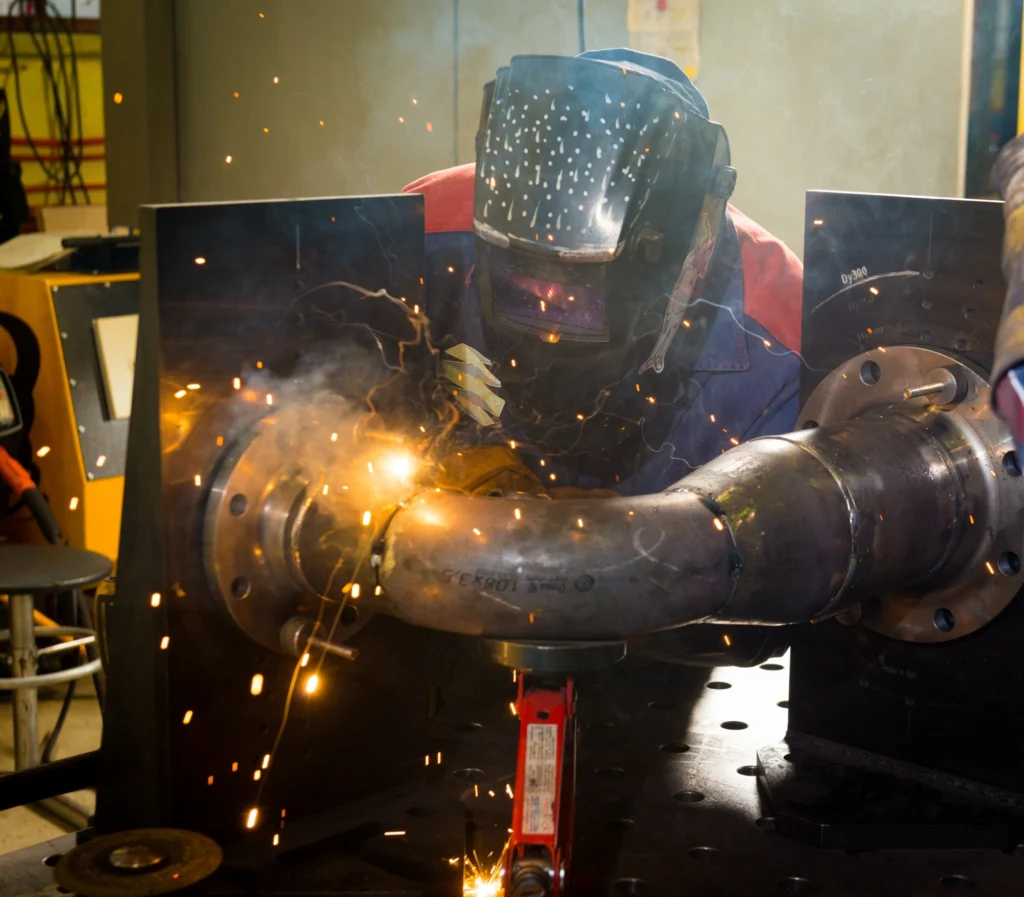
Have you ever wondered how water, gas, or other critical utilities make their way through the underground pipes that span cities? The answer often lies in a sophisticated process known as HDPE butt fusion welding. This method is a game-changer in creating strong, leak-proof joints in HDPE (High-Density Polyethylene) pipes, which are crucial in industrial settings and infrastructure projects.
Butt fusion welding has revolutionized the way we install and maintain pipelines. In this guide, you will learn everything you need to know about HDPE butt fusion welding—from its benefits to its process, and even troubleshooting common issues. By the end of this post, you’ll not only understand the basics but also gain expert insights into how to master the art of HDPE pipe welding.
What is HDPE Butt Fusion Welding?
HDPE butt fusion welding is a method used to join two sections of HDPE pipes by melting their ends and fusing them under controlled pressure. This creates a seamless, strong, and leak-proof joint without the need for additional mechanical fasteners. The process has become a standard for various industries, including water distribution, gas pipelines, and drainage systems, owing to its reliability and efficiency.
Why Choose Butt Fusion Welding for HDPE Pipes?
- Leak-Proof Joints:
The primary benefit of HDPE butt fusion welding is the creation of joints that are completely leak-proof. When done correctly, these joints are as strong as the pipe itself, ensuring long-term durability and reliability in harsh environments. - Durability and Strength:
HDPE is known for its flexibility and strength. By using butt fusion welding, you create a uniform and consistent joint that enhances the overall structural integrity of the pipeline, making it ideal for high-pressure systems. - Cost-Effectiveness:
While HDPE pipes may have a higher initial cost compared to other materials, the long-term durability and low maintenance requirements of the welded joints make it a cost-effective choice over time. - Environmentally Friendly:
HDPE is 100% recyclable, and the fusion welding process does not require toxic adhesives or solvents, making it an environmentally friendly choice for pipeline construction.
The HDPE Butt Fusion Welding Process
To better understand HDPE butt fusion welding, it’s essential to break down the steps involved in the process.
1. Preparation of the Pipe Ends
Before welding, both ends of the HDPE pipes must be cut and aligned precisely to ensure a proper fusion. Any dirt, debris, or moisture must be removed from the pipe ends, as these contaminants can weaken the joint and lead to failures.
2. Heating the Pipe Ends
The next step involves using a heating plate that reaches the appropriate temperature for melting the ends of the HDPE pipes. The temperature is carefully controlled to ensure that the pipe material melts evenly, creating a perfect joint.
3. Fusion: Joining the Pipes
Once the pipe ends are heated, they are brought together with a specified amount of pressure applied. This ensures that the molten material from both ends of the pipe merges to form a strong bond. The fusion process typically lasts several seconds to ensure complete fusion.
4. Cooling and Solidification
After the fusion, the joint is left to cool for a specified time, ensuring that the material solidifies completely. This cooling process ensures the strength and integrity of the joint, making it as strong as the pipe itself.
Pro Tip: Timing and temperature control are critical in ensuring a successful fusion. If the heating time or pressure is off, the joint can fail, resulting in leaks or structural weaknesses.
Common Mistakes in HDPE Butt Fusion Welding
Like any process, HDPE butt fusion welding requires careful attention to detail. Here are a few common mistakes to avoid:
- Incorrect Temperature or Pressure:
Using improper temperatures or insufficient pressure can lead to weak joints. It’s important to follow the recommended specifications for the type and diameter of the pipe. - Dirty or Misaligned Pipe Ends:
Failure to clean or properly align the pipe ends can lead to poor fusion. Always ensure the pipe ends are free of any contaminants. - Inadequate Cooling Time:
Rushing the cooling process can lead to incomplete fusion, compromising the strength of the joint. Be patient and allow the joint to cool fully before use.
Real-World Example: Successful HDPE Butt Fusion in a Water Pipeline
Case Study: The Expansion of a Municipal Water Supply
In a recent project, a city’s water supply system was being expanded to serve a growing population. The project involved installing thousands of meters of HDPE pipes using butt fusion welding. Due to the high pressure of the water distribution system, the project required exceptionally strong and leak-proof joints.
By following best practices, including meticulous preparation, temperature control, and cooling, the project was completed successfully without any leaks or failures. The use of HDPE pipes, fused using the butt fusion method, contributed to a long-lasting and reliable system that continues to serve the community today.
Choosing the Right Equipment for HDPE Butt Fusion Welding
When it comes to butt fusion welding, the equipment you use is crucial to ensuring a successful job. The basic tools required include:
- Fusion Machine:
A fusion machine is essential for heating and aligning the pipe ends. These machines come in various sizes to accommodate different pipe diameters. - Heating Plate:
The heating plate is used to melt the ends of the pipes. It needs to be temperature-controlled for optimal fusion. - Hydraulic Pressure System:
This system applies the necessary pressure to fuse the pipe ends together. - Alignment Clamps:
These ensure the pipe ends are aligned perfectly before fusion.
How to Maintain Your Butt Fusion Welding Equipment
Proper maintenance of your fusion welding equipment is key to ensuring its longevity and consistent performance. Here are a few maintenance tips:
- Regularly Clean the Heating Plates:
Cleaning the heating plates after each use helps maintain their efficiency and prevents contamination of the pipe ends. - Check for Wear and Tear:
Inspect the hydraulic pressure system and alignment clamps for any signs of damage. Regular maintenance and lubrication will extend the life of the equipment. - Calibrate the Equipment:
Ensure that the fusion machine is calibrated to the correct temperature and pressure settings. This prevents the risk of faulty joints.
Conclusion
HDPE butt fusion welding is an essential skill for anyone involved in pipeline installation. With the right tools, proper technique, and attention to detail, it’s possible to create strong, durable, and leak-proof joints that will last for decades. Whether you are installing water pipelines, gas systems, or drainage lines, mastering this process is critical for ensuring the reliability of your infrastructure.
Pro Tip: Always follow the manufacturer’s guidelines and industry best practices when performing butt fusion welding to avoid common mistakes.
Ready to get started with HDPE pipe welding? Start by investing in the right equipment and learning from experienced welders to ensure your projects are a success.
FAQ Section:
1. What is HDPE butt fusion welding?
HDPE butt fusion welding is a process used to join two HDPE pipes by melting their ends and fusing them together under controlled pressure, creating a strong, leak-proof joint.
2. What are the benefits of using HDPE for pipe welding?
HDPE pipes are durable, flexible, and resistant to corrosion, making them ideal for underground pipelines. They are also environmentally friendly as they are 100% recyclable.
3. How long should the cooling time be for HDPE fusion?
The cooling time depends on the size of the pipe and the ambient temperature, but generally, it should be allowed to cool for several minutes before handling.
4. Can butt fusion welding be used for all pipe sizes?
Yes, butt fusion welding can be used for a wide range of HDPE pipe sizes, from small diameter pipes to large diameter ones.
5. What happens if the temperature is too high during the welding process?
Excessive temperature can cause the pipe material to burn or degrade, leading to weak joints that are prone to failure. Proper temperature control is essential.