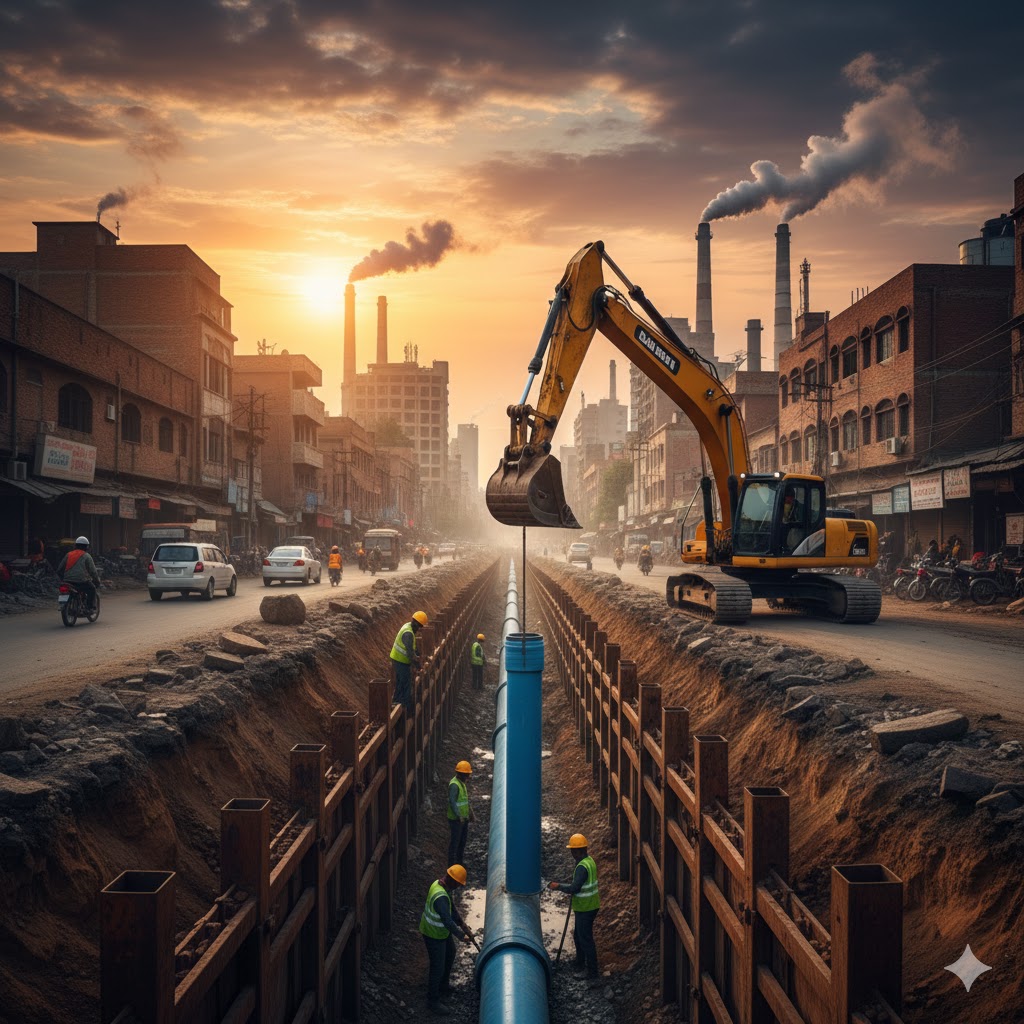
Are you tired of dealing with frequent drainage issues in Gujranwala? Poorly maintained sewerage systems can lead to blocked pipes, flooding, and health hazards, making it one of the most pressing concerns for local authorities and businesses. The good news is that modern sewerage pipeline solutions can drastically improve the situation, ensuring smoother operations, cleaner streets, and healthier communities.
In Gujranwala, a city with rapid growth and expanding infrastructure, the need for reliable sewerage and wastewater pipeline installations has never been more urgent. Without a robust system in place, residents and businesses alike face constant disruptions that can impact quality of life and economic growth. But there’s hope. In this post, we’ll explore the most effective sewerage pipeline solutions, share real-world examples of successful installations, and provide actionable tips for ensuring your project is a success.
By the end of this article, you’ll gain a deep understanding of how to solve the sewerage challenges in Gujranwala and implement effective, long-lasting solutions.
Why is Sewerage Pipeline Infrastructure Important in Gujranwala?
What Challenges Does Gujranwala Face with Sewerage Systems?
Gujranwala, a bustling industrial city, has been experiencing rapid population growth and urbanization. However, the city’s sewerage infrastructure has struggled to keep up. Poorly planned systems, frequent blockages, and outdated pipelines have led to recurring issues such as overflowing drains, unpleasant odors, and contamination of drinking water sources.
In addition, there’s the constant risk of waterborne diseases, which put immense pressure on local health systems. The limited capacity of the existing sewerage system combined with improper waste disposal practices exacerbates these issues.
The Growing Need for Efficient Sewerage Solutions
Given the population boom and increasing industrial activities, Gujranwala requires a modern sewerage and wastewater management system. An efficient sewerage pipeline can address water wastage, reduce the risk of contamination, and improve public health, making it an essential infrastructure component for a growing city.
What Are the Key Components of an Effective Sewerage Pipeline System?
How Are Modern Sewerage Pipeline Systems Designed?
Modern sewerage systems are designed to handle both residential and industrial wastewater. Key components include:
- Pipes: High-quality, durable materials like PVC, HDPE (High-Density Polyethylene), and concrete pipes are used to ensure long-lasting functionality.
- Manholes and Access Chambers: These allow maintenance crews to clean and inspect pipelines regularly.
- Pump Stations: In cases where gravity cannot move wastewater efficiently, pump stations ensure that the flow continues smoothly.
- Treatment Plants: Wastewater treatment facilities are crucial for purifying water before releasing it into natural bodies.
Pro Tip: Choosing the Right Materials
Choosing the right materials for your sewerage system can significantly reduce maintenance costs and extend the system’s lifespan. For example, HDPE pipes are resistant to corrosion, which makes them ideal for areas with high levels of waste, like industrial zones.
What Are the Best Practices for Installing Sewerage Pipelines in Gujranwala?
What Factors Should Be Considered During Installation?
When installing sewerage pipelines in Gujranwala, several key factors must be considered to ensure a successful project:
- Topography and Terrain: The city’s landscape will determine whether a gravity-fed system or a pressurized system is more appropriate. Sloped areas are ideal for gravity-driven systems, whereas flatter regions may require pumps to move the wastewater.
- Traffic and Infrastructure: If installing pipelines in busy urban areas, it’s important to minimize disruption to daily life. Careful planning and scheduling are essential.
- Existing Utility Lines: Avoiding damage to existing utility infrastructure like water pipes or electric cables is critical during installation.
Pro Tip: Conduct Thorough Site Assessments
Before starting any installation project, conduct a thorough site assessment, including soil testing and traffic flow analysis. This will allow for better decision-making in terms of materials, routes, and construction methods.
How Can Technology Improve Sewerage Systems in Gujranwala?
What Are the Technological Innovations in Sewerage Pipeline Installation?
With advancements in technology, sewerage systems in Gujranwala can be upgraded to be more efficient, sustainable, and cost-effective. Key innovations include:
- Smart Monitoring Systems: These sensors can detect blockages, leaks, and even measure water quality in real-time, allowing for faster responses and maintenance.
- Trenchless Technology: Using methods like Horizontal Directional Drilling (HDD), sewerage pipelines can be installed without disturbing existing infrastructure, reducing the cost and time of installation.
- Automation and AI: AI-powered systems can predict maintenance needs, track sewer health, and optimize treatment processes, leading to more sustainable operations.
Example: The Use of Smart Sensors
In many cities around the world, the installation of smart sensors in sewer lines has dramatically improved monitoring and maintenance. These sensors can detect pipe blockages or even predict the likelihood of pipe failure, allowing authorities to take preventive measures before a crisis occurs.
What Are Some Common Mistakes to Avoid During Sewerage Pipeline Installation?
How Can You Prevent Installation Failures?
While the right sewerage pipeline system can provide decades of service, installation failures are common if not properly managed. Common mistakes include:
- Poor Planning: Failing to assess environmental and infrastructural factors can lead to costly delays and problems down the line.
- Inadequate Maintenance: Not setting up a robust maintenance system can lead to frequent breakdowns, clogging, and costly repairs.
- Substandard Materials: Using inferior materials or not adhering to quality standards can cause leaks, blockages, and structural failures in the long term.
Expert Insight: The Importance of Routine Maintenance
Regular maintenance is crucial. It’s important to schedule pipe inspections every few years to ensure the system is running efficiently and identify any potential issues early.
How Can Gujranwala Ensure Long-Term Sustainability of Sewerage Systems?
What Are the Key Considerations for Sustainable Sewerage Systems?
Sustainability should be a core focus when planning and installing sewerage systems. Considerations include:
- Wastewater Recycling: Reuse treated wastewater for non-potable purposes like irrigation or industrial processes.
- Energy-Efficient Systems: Implementing renewable energy sources, such as solar power for pump stations, can reduce operational costs.
- Public Awareness: Educating residents and businesses about the importance of proper waste disposal and water conservation can help preserve the system and ensure its long-term viability.
Case Study: Wastewater Recycling in Islamabad
In Islamabad, a wastewater recycling initiative has helped reduce water consumption by reusing treated water in non-potable applications, which has not only improved sewerage efficiency but also helped the city conserve its water resources.
Conclusion: The Future of Sewerage & Wastewater Systems in Gujranwala
To keep up with the growing population and industrial development, Gujranwala must invest in effective sewerage pipeline solutions. By adopting modern technologies, using high-quality materials, and planning for sustainability, the city can ensure cleaner, healthier, and more efficient wastewater management systems.
Next Steps: If you are a business owner, developer, or policymaker in Gujranwala, start by consulting with industry experts to design and implement an effective sewerage pipeline solution. Prioritize planning, technology, and maintenance to ensure the system lasts for years to come.
FAQ Section
- What materials are best for sewerage pipeline installation in Gujranwala?
High-quality materials like HDPE (High-Density Polyethylene), PVC, and concrete pipes are best for durability and resistance to corrosion, making them ideal for Gujranwala’s growing infrastructure.
- How can smart technology help with sewerage management?
Smart technology, such as sensors and AI, allows for real-time monitoring of pipelines, helping detect blockages, leaks, and pipe health issues, reducing maintenance costs and improving efficiency.
- What are the benefits of trenchless technology for sewerage installation?
Trenchless technology allows for the installation of pipelines without digging up roads or disrupting existing infrastructure, making the installation process faster and less invasive.
- How can Gujranwala reduce wastewater treatment costs?
By implementing wastewater recycling and energy-efficient technologies, Gujranwala can reduce the cost of treating wastewater, contributing to long-term sustainability.
- What are the most common issues with Gujranwala’s sewerage system?
The main issues include blocked pipelines, outdated infrastructure, improper waste disposal, and insufficient capacity to handle the growing population and industrial demands.
- How often should sewerage pipelines be inspected?
Sewerage pipelines should be inspected every 3-5 years to prevent issues like blockages and leaks, ensuring the system remains efficient and functional.
- How can local residents contribute to sewerage system sustainability?
Residents can help by disposing of waste properly, avoiding pouring chemicals or oils down the drain, and conserving water whenever possible to reduce strain on the system.