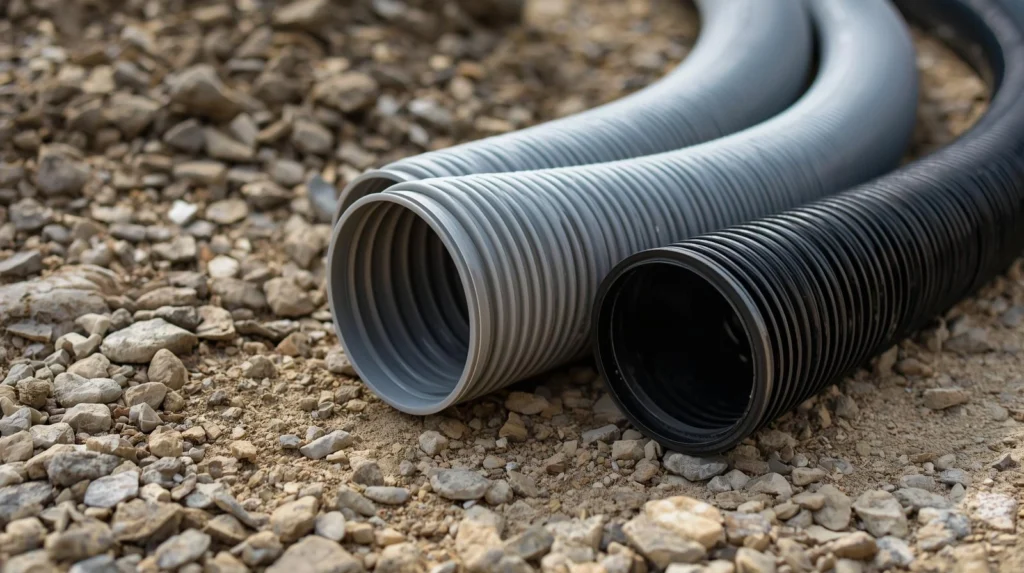
When it comes to building infrastructure in hilly terrain or earthquake-prone areas, choosing the right kind of materials is crucial. Traditional pipe systems often struggle to withstand the forces exerted by soil movement, seismic activity, and rough landscapes. But what if there were a solution that could bend and flex without breaking? Enter flexible HDPE/MDPE pipes—materials that are revolutionizing how we approach piping in difficult environments.
Recent reports show that over 60% of the world’s population lives in areas susceptible to natural disasters, making it all the more critical to utilize resilient infrastructure. Flexible pipes like HDPE (High-Density Polyethylene) and MDPE (Medium-Density Polyethylene) offer the durability and adaptability needed to thrive in these regions. This article will explore why flexible pipes are not only the future of infrastructure in hilly and earthquake-prone areas but also the smarter, safer, and more sustainable choice.
The Problem: Challenging Terrain and Seismic Risk
Building infrastructure in earthquake-prone areas and hilly terrains comes with a host of challenges. The shifting soil, unstable foundations, and seismic risks pose significant threats to the longevity and safety of traditional pipelines. When soil shifts or earthquakes occur, rigid pipes can crack, leak, or break entirely, leading to costly repairs and long-term disruptions.
For instance:
- Hilly terrain makes it difficult for traditional pipes to adapt to the constantly changing landscape. Landslides, soil erosion, and earth movements can stress rigid pipe systems.
- Earthquake-prone areas are vulnerable to pipeline rupture from seismic activity, as the tremors cause abrupt ground shifts.
These issues create a persistent problem in maintaining safe and efficient water, gas, and sewage pipelines in such areas. Fortunately, HDPE and MDPE pipes offer a solution, providing flexibility and strength to withstand these adversities.
Why Flexible Pipes Are the Solution
1. Flexibility: Adapting to Movement
One of the biggest benefits of HDPE/MDPE pipes is their flexibility. Unlike traditional pipes made of rigid materials like steel or concrete, these pipes can bend and stretch without breaking, making them ideal for areas prone to soil movement and seismic activity.
- In hilly terrain, flexible pipes can accommodate shifting landscapes, including soil displacement from erosion or landslides. This flexibility prevents pipes from cracking when the earth moves.
- In earthquake-prone areas, flexible pipes can absorb shock and adapt to ground movement without cracking or rupturing, offering a reliable solution even after seismic activity.
Case Study: In New Zealand, where both hilly terrain and frequent earthquakes challenge infrastructure, the implementation of HDPE pipes for water and sewage systems has significantly reduced the risk of damage during earthquakes. The pipes’ ability to flex with ground movements has saved millions in repair costs.
2. Durability and Corrosion Resistance
Flexible pipes made from HDPE and MDPE are highly resistant to corrosion, a common problem with metal pipes. In regions with unpredictable weather conditions, acidic soil, or exposure to moisture, corrosion can severely limit the lifespan of traditional piping systems.
- HDPE pipes are chemically resistant and can withstand a variety of harsh conditions, including acidic soils, saltwater, and chemicals in industrial applications.
- MDPE pipes offer a similar level of protection, ensuring longevity even in difficult environments where corrosion risks are high.
By replacing traditional materials with HDPE/MDPE pipes, infrastructure can last much longer without the constant need for maintenance or replacement, offering better long-term savings.
Real-World Example: In California, which faces both earthquake risk and drought conditions, MDPE pipes are used to distribute water in remote areas, reducing the frequency of pipeline failures caused by corrosion and soil shifting.
3. Easier Installation and Maintenance
The flexibility of HDPE/MDPE pipes not only makes them durable but also makes installation and maintenance much easier compared to traditional rigid pipes. These pipes are lightweight and easy to handle, reducing the manpower and time required for installation.
- Flexible HDPE pipes can be easily spooled and unspooled, making them ideal for tight and difficult-to-reach locations.
- Trenching is less invasive, as the pipes can be laid with minimal digging, reducing the environmental impact and lowering costs.
- Maintenance becomes significantly easier since the pipes can be repaired using simple welding techniques rather than full replacement in the case of damage.
In earthquake-prone zones where disruptions are common, this reduces the overall cost of repairs and ensures minimal downtime.
4. Cost-Effective Long-Term Solution
While the initial installation cost of flexible HDPE/MDPE pipes may be higher than traditional options, the long-term benefits make them far more cost-effective. Their ability to withstand seismic activity and soil movement means that repair costs are reduced drastically.
- HDPE pipes are available in longer lengths, reducing the number of joints required and thus minimizing potential points of failure.
- These pipes also require fewer fittings and couplings, which can significantly reduce installation time and cost.
Pro Tip: Although flexible pipes may have a slightly higher upfront cost, they offer excellent return on investment by lowering maintenance, repair, and replacement costs over the decades.
5. Environmentally Friendly
Another key consideration when choosing materials for infrastructure is their environmental impact. HDPE/MDPE pipes are manufactured with sustainability in mind.
- They require less energy to produce compared to traditional materials like concrete or steel.
- The reduced need for frequent replacements or repairs lowers the overall carbon footprint of the project.
By adopting flexible pipes, companies and municipalities can contribute to greener infrastructure while ensuring reliable performance in challenging environments.
Conclusion
Flexible HDPE and MDPE pipes are the future of pipeline infrastructure in earthquake-prone areas and hilly terrains. Their flexibility, durability, and ease of maintenance make them the ideal choice for overcoming the challenges posed by soil movement, seismic activity, and harsh environmental conditions. By investing in these flexible pipelines, businesses and governments can ensure long-term reliability, reduce maintenance costs, and make a positive environmental impact.
Call to Action: If you’re looking to improve the resilience of your infrastructure in difficult terrain, consider switching to flexible HDPE/MDPE pipes today. Contact a trusted supplier or contractor to learn more about how these pipes can be integrated into your next project.
High-Quality Pipes & Fittings – Built to Last
FAQ Section
1. What is the difference between HDPE and MDPE pipes?
HDPE (High-Density Polyethylene) pipes are made from a denser form of polyethylene, offering superior strength and resistance to wear, making them ideal for long-term, heavy-duty applications. MDPE (Medium-Density Polyethylene) pipes, while slightly less dense, still offer excellent flexibility and are often used for water distribution systems.
2. Are HDPE/MDPE pipes safe for drinking water systems?
Yes, both HDPE and MDPE pipes are FDA-approved and widely used in drinking water applications due to their resistance to chemicals and corrosion. These pipes maintain water quality and are non-toxic, making them safe for long-term use.
3. Can flexible HDPE/MDPE pipes withstand extreme temperatures?
HDPE and MDPE pipes can tolerate a wide range of temperatures, making them ideal for both cold and hot water systems. However, extreme freezing conditions may affect their flexibility, so additional insulation may be required in colder climates.
4. How do flexible pipes perform in earthquake zones?
Flexible pipes, particularly HDPE, are specifically designed to absorb and adapt to ground movement, including seismic activity. Their flexibility allows them to withstand earthquake-induced soil shifts, reducing the risk of ruptures and leaks.
5. Can flexible HDPE/MDPE pipes be repaired easily?
Yes, HDPE/MDPE pipes are easy to repair. If damaged, they can be welded back together using a fusion process, and the flexibility of the pipes reduces the need for extensive replacement, lowering long-term repair costs.
6. How do HDPE/MDPE pipes contribute to environmental sustainability?
Flexible pipes like HDPE and MDPE are made from recyclable materials, require less energy to produce, and have a longer lifespan than traditional pipes. Their reduced need for maintenance also lowers the carbon footprint of infrastructure projects.