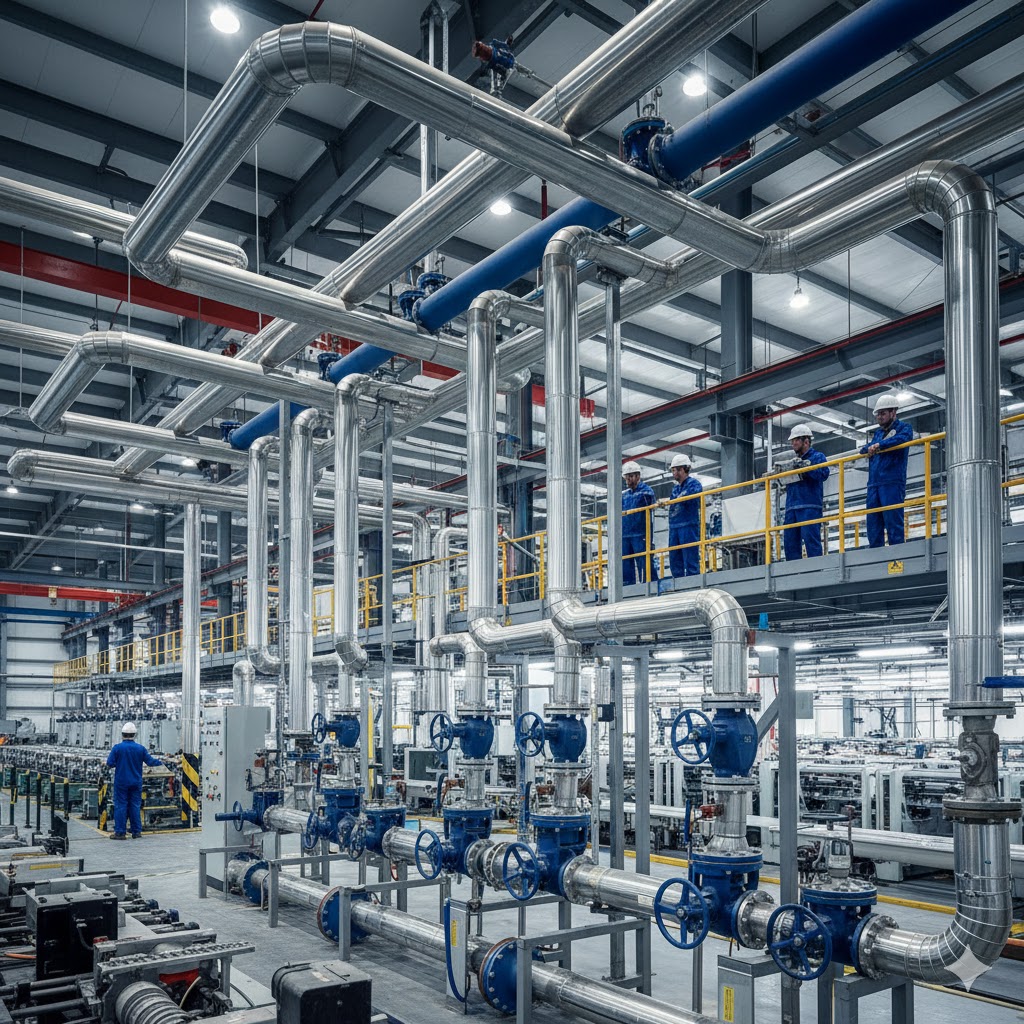
Are you struggling to streamline your factory’s operations due to inefficiencies in your piping system? You’re not alone. In industrial settings, process piping is the backbone of manufacturing, distribution, and energy systems. But when that system isn’t optimized, it leads to costly downtime, safety hazards, and inefficiencies that can directly impact the bottom line.
In Faisalabad, a city known for its robust industrial landscape, factory and process piping solutions are becoming more crucial than ever. Whether you’re in textiles, chemicals, or food production, your factory’s piping system can make or break your operational efficiency.
This post will guide you through why factory piping solutions are critical, how to optimize them, and provide actionable insights to improve your facility’s performance. If you’re looking to enhance productivity, reduce maintenance costs, and increase safety, you’re in the right place.
What Are Factory Piping Solutions, and Why Do They Matter?
Factory piping solutions refer to the design, installation, and maintenance of the piping systems that transport fluids, gases, and other materials through industrial facilities. These systems are integral to factories across Faisalabad, supporting industries ranging from textiles to food processing, chemical manufacturing, and energy.
The Role of Piping in Industrial Operations
A well-designed piping system ensures seamless product flow, reduces operational costs, and prevents system failures. The materials used, the layout, and the maintenance processes all impact the longevity and efficiency of these systems.
In Faisalabad, industries such as textile manufacturing often require complex piping networks to handle steam, chemicals, and water efficiently. Poor piping design or outdated infrastructure can cause leaks, blockages, and even safety issues, resulting in downtime, waste, and safety risks.
Benefits of Optimized Piping Systems
An efficient piping system offers several key benefits:
- Enhanced Productivity: A well-maintained system reduces downtime and optimizes operations.
- Cost Savings: Efficient piping minimizes energy consumption and raw material waste.
- Safety Compliance: Proper installation and regular inspections help comply with industrial safety regulations.
- Sustainability: Reduced leakage and optimized processes contribute to environmental conservation efforts.
How Do You Choose the Right Factory Piping Solution for Your Industry?
Assessing Your Facility’s Needs
The first step in choosing the right piping solution is understanding the specific needs of your factory. Factors like the type of fluids or gases being transported, the distance they need to travel, and the pressure requirements will all influence the materials and design of your piping system.
For instance, a textile factory in Faisalabad that uses high-temperature steam to process fabrics will require specialized piping materials that can withstand high heat and pressure. On the other hand, a food processing plant may need to ensure that its pipes are non-corrosive and compliant with food safety standards.
Types of Piping Materials
- Stainless Steel: Ideal for food processing and pharmaceuticals due to its corrosion resistance.
- PVC/CPVC: Lightweight and cost-effective, used in water treatment and chemical industries.
- Copper: Best for smaller applications in industries requiring low to moderate pressure.
- Carbon Steel: Common in general manufacturing for transporting high-pressure fluids.
By considering these factors, businesses in Faisalabad can make an informed decision that minimizes long-term costs and maximizes system performance.
What Are the Common Challenges in Factory Piping Systems, and How Can They Be Overcome?
1. Frequent Leaks and Maintenance Costs
Piping systems in factories, especially in industries like textiles or chemicals, often experience frequent leaks due to wear and tear or corrosion. Leaks can lead to product loss, environmental hazards, and significant maintenance costs.
Solution:
Implementing high-quality materials and regular inspections can significantly reduce the likelihood of leaks. Using corrosion-resistant materials like stainless steel for water-based systems or specialized coatings can also help. Additionally, adopting smart sensors that monitor pressure and temperature can alert maintenance teams to potential issues before they escalate.
2. Inefficient Flow and Pressure Problems
Another issue faced by many factories is the inefficient flow of materials through the piping network. Improper pipe sizing or poor system layout can cause pressure drops, leading to suboptimal operation.
Solution:
Conduct a detailed analysis of your current system, considering factors like pipe diameter, pump size, and pressure settings. Implementing a flow simulation or hydraulic analysis can help you identify bottlenecks and make adjustments to optimize performance.
3. Compliance with Safety Regulations
In industries dealing with hazardous chemicals or food production, ensuring compliance with safety standards is critical. Non-compliance can lead to fines, legal issues, or worse, accidents that compromise the safety of workers and the environment.
Solution:
Work with certified professionals who are well-versed in local regulations and industry standards. In Faisalabad, partnering with experts in factory piping solutions can help ensure your system meets all the necessary certifications, such as ISO or safety codes for chemical handling.
How Do You Ensure Long-Term Efficiency with Factory Piping?
Regular Maintenance and Inspections
A proactive approach to piping system maintenance is crucial. Factories in Faisalabad must schedule routine inspections and invest in predictive maintenance technologies to prevent costly repairs.
Pro Tip:
Incorporate automated monitoring tools that track pipe health. Smart sensors and AI-powered predictive analytics can spot weaknesses in your system before they become major issues.
Upgrading to Modern Materials and Technologies
Technology is constantly evolving, and so are piping solutions. The introduction of corrosion-resistant alloys, heat-resistant materials, and energy-efficient designs can help factories extend the lifespan of their piping systems while reducing operational costs.
Training Employees
Employees need to understand the basic principles of piping maintenance and emergency response. Conducting regular training sessions and ensuring clear communication with maintenance teams can prevent operational failures.
What Are Some Real-World Examples of Successful Factory Piping Solutions?
Case Study 1: Faisalabad Textile Industry
One textile manufacturer in Faisalabad was facing frequent downtime due to a faulty steam piping system. The factory employed an outdated piping design, which led to pressure drops and leaks. By upgrading to high-temperature-resistant piping materials and reconfiguring the system to allow better steam flow, the company saw a 20% reduction in energy costs and a significant increase in production uptime.
Case Study 2: Chemical Processing Facility
A chemical processing plant in Faisalabad struggled with leaks and corrosion in its pipeline that transported hazardous chemicals. After consulting with a local piping solutions provider, the plant invested in corrosion-resistant piping and implemented an automated monitoring system. This upgrade not only reduced leak incidents by 40% but also helped ensure compliance with industry safety standards.
How Can You Optimize the Cost of Factory Piping Solutions?
1. Invest in Quality Upfront
While high-quality materials and installation might seem like a larger upfront cost, they often save businesses money in the long run by reducing maintenance costs and increasing operational efficiency.
2. Schedule Regular Audits
By regularly auditing your piping system, you can identify potential issues early and avoid costly emergency repairs. Implementing a maintenance schedule based on system usage and environmental conditions will help maximize the lifespan of your piping infrastructure.
3. Consider Energy Efficiency
When designing or upgrading a piping system, consider the energy efficiency of pumps, compressors, and other equipment. By optimizing energy use, you can reduce the overall cost of running the piping system and improve the environmental footprint of your facility.
Conclusion
Optimizing your factory’s piping system is essential for maintaining efficiency, reducing costs, and ensuring safety. Whether you are managing a textile, chemical, or food processing facility in Faisalabad, understanding the importance of factory piping solutions is the first step toward achieving operational success.
By focusing on the right materials, regular maintenance, and innovative solutions, you can ensure that your piping system supports the growth and sustainability of your business.
Ready to upgrade your factory’s piping system? Contact an expert today to ensure your operation stays at peak performance.
FAQs
What is the best material for factory piping in Faisalabad’s textile industry?
Stainless steel is often the best option for textile factories due to its durability and resistance to corrosion. It can withstand high temperatures and pressures associated with steam processing.
How often should I inspect my factory’s piping system?
It’s recommended to inspect your piping system at least twice a year. However, high-usage systems should undergo quarterly checks to prevent issues from escalating.
Can smart technology help monitor my piping system?
Yes, implementing IoT-based sensors and AI-powered monitoring systems can help you predict leaks, pressure issues, and other system failures before they occur.
What are the common risks of poorly maintained factory piping systems?
Poorly maintained systems can lead to leaks, blockages, and even hazardous accidents, which can cause downtime, product loss, and safety risks.
How can I save on piping system upgrades?
To save on costs, opt for long-term investments in high-quality materials and energy-efficient designs. Additionally, performing regular maintenance and audits can prevent expensive repairs down the road.