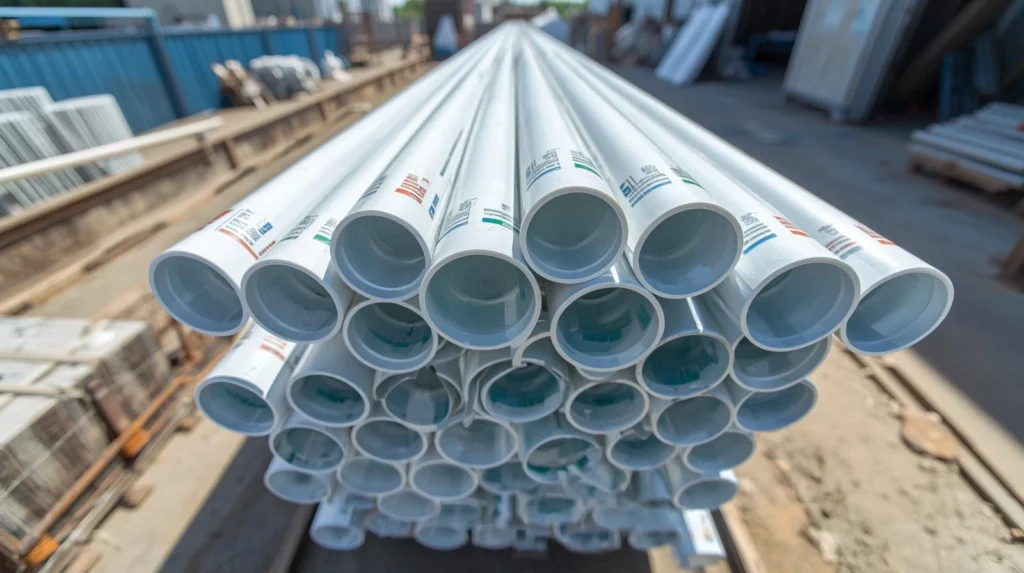
When you’re building a project in Sialkot, whether it’s a new residential complex or a large-scale commercial development, one question often arises: How do I choose the best piping material for my construction needs? The answer lies in PVC pipes, a material that’s been a game-changer in construction for decades. However, not all PVC pipes are created equal, especially when it comes to construction-grade options.
Imagine you’re in the middle of a project, only to realize that the piping you’ve installed is corroding or failing under pressure. This can lead to delays, added costs, and frustration. It’s essential to use durable, reliable materials from the outset.
In this comprehensive guide, you’ll learn everything you need to know about construction-grade PVC pipes for Sialkot projects. From understanding why PVC is an ideal material to how to choose the right type for your project, we’ll cover it all.
Why Should You Use PVC Pipes in Your Construction Projects?
PVC pipes have been a staple in construction for decades. But why should you choose them over other materials? Here’s a breakdown:
Durability and Strength
Construction-grade PVC pipes are designed to withstand a variety of harsh conditions, including high pressure, corrosion, and temperature fluctuations. Unlike metals, PVC pipes don’t rust or corrode over time, making them ideal for underground or exposed installations.
Example: A commercial property in Sialkot used PVC pipes for their plumbing system and found that the pipes lasted longer than those in previous buildings, reducing maintenance costs significantly.
Cost-Effective
PVC pipes are not only affordable upfront but also offer long-term savings. They require less maintenance than traditional materials like steel or copper, making them a cost-effective choice for builders looking to keep budgets in check without sacrificing quality.
Lightweight and Easy to Install
PVC is much lighter than metal pipes, which translates to easier handling and quicker installation. This is particularly useful on construction sites where speed and efficiency matter.
Pro Tip: PVC pipes’ ease of installation allows you to reduce labor costs, as they don’t require heavy tools or specialized training.
What Types of PVC Pipes Are Best for Construction Projects?
Understanding the different types of PVC pipes is essential to choosing the right one for your Sialkot construction project.
Schedule 40 PVC Pipes
These are the most commonly used pipes in general construction, suitable for water distribution, irrigation, and waste systems. They’re strong enough to handle moderate pressures but should be avoided for extremely high-pressure applications.
Example: A residential project in Sialkot used Schedule 40 PVC for their plumbing system and encountered minimal issues even under the pressure of high water usage.
Schedule 80 PVC Pipes
For high-pressure applications, Schedule 80 pipes are more robust than Schedule 40. They are thicker and can handle more pressure, making them ideal for industrial and commercial projects.
Case Study: A factory in Sialkot used Schedule 80 PVC pipes to transport chemicals. These pipes handled the high-pressure demands and aggressive substances better than other materials, ensuring safety and efficiency.
CPVC Pipes
Chlorinated Polyvinyl Chloride (CPVC) pipes are similar to PVC but are better suited for hot water applications due to their heat resistance. These pipes are commonly used in residential and commercial projects where hot water systems are involved.
How Do You Choose the Right PVC Pipe for Your Project?
When selecting PVC pipes for your Sialkot construction project, several factors should guide your decision.
1. Consider the Pressure Rating
The pressure rating of the pipe determines the maximum pressure the pipe can handle without bursting. Always match the pressure rating to the needs of your construction system.
2. Think About Temperature Resistance
For systems that will carry hot water or work in high-temperature environments, it’s crucial to select pipes that can withstand the heat. For standard water systems, Schedule 40 may be enough, but for hot water systems, you may need CPVC.
3. Evaluate the Pipe’s Durability
Consider environmental factors like exposure to UV light, chemicals, or freezing temperatures. In such cases, a more durable option like Schedule 80 may be necessary.
What Are the Benefits of Using PVC Pipes in Sialkot’s Construction Climate?
Sialkot’s construction climate presents specific challenges, including high humidity, fluctuating temperatures, and exposure to corrosive materials. PVC pipes offer several advantages in this regard.
Resistance to Corrosion
PVC pipes do not rust or corrode, making them perfect for the humid conditions often seen in Sialkot. They will retain their structural integrity longer than metal pipes, reducing the need for repairs and replacements.
Resistance to Chemicals
In areas where chemical exposure is a concern—such as industrial zones—PVC pipes offer resistance to a wide range of chemicals, including acids and alkalis. This makes them ideal for projects in sectors like manufacturing or processing.
Low Maintenance Needs
The resilience of PVC pipes in Sialkot’s conditions means that once installed, these pipes require very little maintenance. This translates to fewer maintenance costs and fewer interruptions to your project.
Are There Any Disadvantages of PVC Pipes?
While PVC pipes offer numerous benefits, they do come with some limitations. Understanding these drawbacks can help you make more informed decisions.
Brittleness in Cold Weather
PVC pipes can become brittle in extremely cold temperatures, which could lead to cracking under stress. While this is less of an issue in Sialkot’s climate, it’s still worth noting if you’re working in an environment where temperatures can drop drastically.
UV Degradation
Extended exposure to direct sunlight can weaken PVC pipes over time. To mitigate this, use UV-resistant pipes or ensure they are buried underground or covered to avoid prolonged sunlight exposure.
Limited Flexibility
PVC is a rigid material, which means it’s not the best option in applications requiring significant flexibility, such as in seismic areas or areas with significant ground movement.
How Do You Maintain PVC Pipes for Long-Term Performance?
PVC pipes are incredibly low-maintenance, but to get the most out of them, a few steps are necessary.
1. Regular Inspection
While PVC pipes don’t rust or corrode, regular inspection for cracks, leaks, or other damage is essential. This can prevent costly repairs in the future.
2. Protect from UV Light
To avoid degradation from the sun’s UV rays, either bury the pipes underground or apply UV-resistant coatings to the exposed sections.
3. Prevent Freezing
In extremely cold conditions, ensure the pipes are insulated to prevent them from freezing and cracking. Sialkot doesn’t often experience severe cold, but it’s worth considering for high-altitude or seasonal projects.
Conclusion
PVC pipes are an excellent choice for construction projects in Sialkot. They offer durability, cost-effectiveness, and resistance to environmental factors that make them ideal for a variety of applications, from residential plumbing to industrial installations. By understanding the different types of PVC pipes available and choosing the right one for your project’s needs, you can ensure a smoother construction process and long-lasting results.
Call to Action: Now that you know the ins and outs of construction-grade PVC pipes, take the next step and evaluate the requirements of your own Sialkot project. Consult with a trusted supplier to get the right pipes, and ensure your construction project is set up for success from the start.
Frequently Asked Questions (FAQs)
1. What is the difference between Schedule 40 and Schedule 80 PVC pipes?
Schedule 40 pipes are thinner and used for low-pressure applications, while Schedule 80 pipes are thicker and handle higher pressure.
2. Are PVC pipes resistant to chemicals?
Yes, PVC pipes are highly resistant to many chemicals, making them ideal for industrial projects where chemical exposure is common.
3. How long do PVC pipes last?
PVC pipes can last over 50 years when properly installed and maintained, making them a long-term solution for construction projects.
4. Can PVC pipes be used for hot water systems?
Yes, but CPVC pipes are better suited for hot water applications as they can handle higher temperatures than standard PVC.
5. Are there any risks associated with PVC pipes in cold climates?
PVC pipes can become brittle in freezing temperatures, so they should be insulated or installed in areas protected from extreme cold.
6. Do PVC pipes require a lot of maintenance?
No, PVC pipes require minimal maintenance compared to other materials like metal. However, periodic inspections for damage or wear are recommended.
7. What should I do if my PVC pipes are exposed to sunlight?
To prevent UV degradation, ensure pipes are either buried underground or use UV-resistant PVC pipes when installation in exposed areas is necessary.