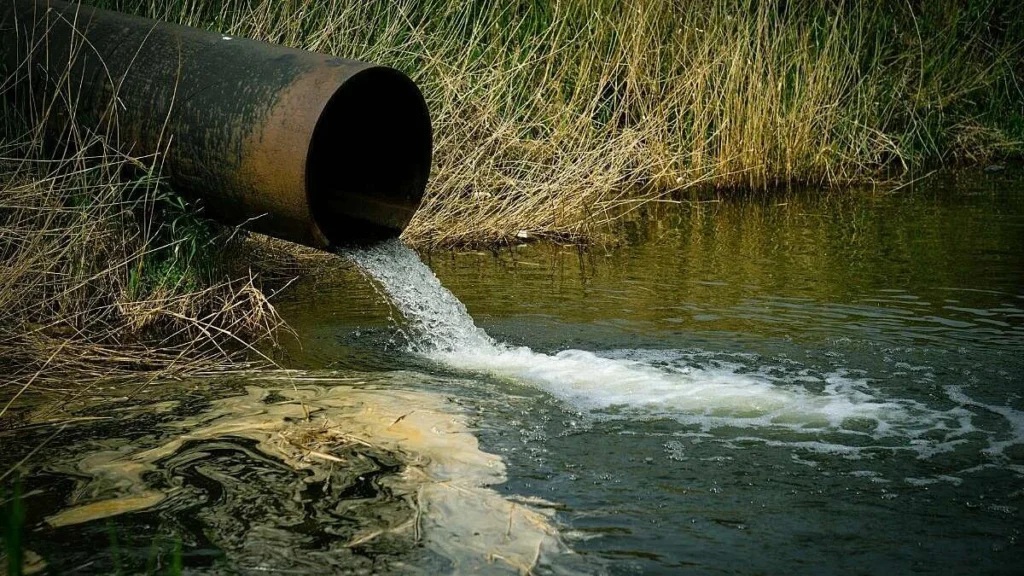
Recent data shows that Yorkshire Water has reduced the total duration of untreated sewage discharges into rivers and coastal waters, though environmental concerns continue to be raised.
In 2025, sewage was released into waterways for around 285,000 hours, which is a 33% reduction compared to the previous year. The number of individual spill events also dropped significantly, falling from 88,164 to 51,404 incidents.
Officials say this improvement is linked to ongoing infrastructure investment and upgrades across the sewer network. However, environmental campaigners argue that the level of pollution is still too high and is also influenced by rainfall variations.
Why sewage is released into rivers
Water companies in the UK are legally permitted to release untreated wastewater through storm overflow systems during heavy rainfall. This prevents sewage systems from becoming overloaded and helps avoid backups into homes and streets.
However, critics say that these overflow systems are being used too frequently, leading to environmental damage in rivers and seas.
Major investment plans underway
Yorkshire Water has announced a long-term improvement plan, including £1.5 billion investment by 2030 to upgrade around 450 storm overflow sites.
The company is also constructing large underground storage tanks designed to temporarily hold excess wastewater during storms, reducing the need for overflow discharge.
Government targets aim to limit storm overflow activity to no more than 10 discharges per year per site, although many locations currently operate far above this level.
Environmental concerns remain
Despite progress, some river systems have seen increased discharge duration. For example, parts of the River Calder recorded higher sewage release hours compared to the previous year.
Campaigners argue that even with reductions, untreated sewage entering waterways is still harming ecosystems and wildlife. Items like wet wipes have been found near rivers, highlighting pollution concerns.
Government and regulatory response
UK water regulators and government officials have said that stricter enforcement and monitoring are being introduced, including:
- limits on executive bonuses
- more frequent inspections of water infrastructure
- stronger accountability measures for water companies
Officials also stress that long-term investment is essential to fully modernize aging sewage systems.
Conclusion
While sewage spill duration in Yorkshire has decreased, the issue remains a major environmental challenge. Continued investment and stricter regulation are expected to play a key role in improving water quality in the coming years.
Source: BBC News