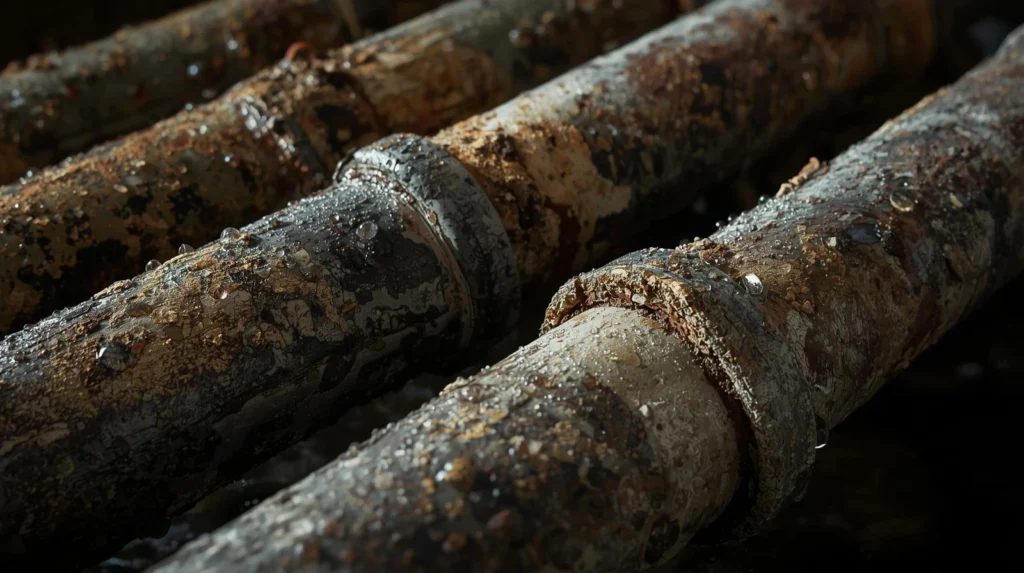
What’s lurking in the pipes beneath your feet? While we often take plumbing for granted, the quality of the pipes that bring water into our homes or businesses can have a profound effect on our health. Low-quality pipes, especially those made from substandard materials, can cause more damage than we think. In fact, they may be contaminating your water supply with toxins, bacteria, and other harmful substances.
You may not realize it, but the pipes installed in your property are silently influencing the water you drink and use every day. This blog will explore the hidden dangers of low-quality pipes, the health risks associated with them, and how to mitigate these dangers. Let’s dive into why your plumbing system’s health matters more than you think.
What Are Low-Quality Pipes?
Low-quality pipes are those made from inferior materials, often used in cheaper plumbing systems. These can include:
- Toxic Plastics: Pipes made from low-grade plastic materials such as PVC or certain types of CPVC can leach harmful chemicals into the water.
- Corroded Metal: Pipes made from materials like galvanized steel or iron can rust over time, compromising water quality.
- Improperly Treated Pipes: Some pipes are poorly manufactured, lacking the necessary treatment to ensure durability and safety.
These pipes are often used because they are cheaper and easier to install. However, the long-term consequences of using substandard pipes can be disastrous, especially when it comes to water contamination.
How Low-Quality Pipes Contribute to Water Contamination
One of the main concerns with low-quality pipes is that they may cause water contamination. Here’s how:
1. Chemical Leaching
Plastic pipes, especially those made from low-grade materials, can leach chemicals into the water over time. Substances like BPA, phthalates, and other plasticizers are often found in older plastic pipes, and these chemicals can seep into the water supply, affecting its purity and safety.
A study conducted by the Environmental Protection Agency (EPA) found that certain chemicals in plastic pipes could disrupt the endocrine system, leading to reproductive issues, developmental delays, and even certain cancers. When exposed to high temperatures or sunlight, these chemicals leach into the water and accumulate, posing a risk to anyone who consumes the water.
2. Lead Contamination
Lead was commonly used in older plumbing systems, particularly in lead-soldered joints or pipes. Although lead pipes have been phased out in many countries, they are still present in some older buildings and homes. Lead is a neurotoxin that can cause severe developmental problems, especially in children. Even low levels of lead exposure can have long-term health effects, including learning disabilities and behavioral issues.
3. Corrosion and Rust
Old metal pipes, particularly those made from galvanized steel or iron, can corrode over time. This corrosion releases small particles of metal, which can then contaminate the water supply. This not only affects the taste and appearance of the water, but it also introduces potentially harmful metals like iron, copper, and zinc into the water.
Corroded pipes also increase the likelihood of bacterial growth, which can further compromise water safety. A study by the American Water Works Association found that corroded pipes are a leading cause of waterborne illnesses in areas with aging infrastructure.
Health Risks Associated with Contaminated Water
The health risks of contaminated water caused by low-quality pipes cannot be overstated. Contaminants in the water supply can lead to various health issues, ranging from mild to severe. Some of the most common health risks include:
1. Gastrointestinal Issues
Drinking contaminated water can cause gastrointestinal issues such as nausea, vomiting, diarrhea, and abdominal pain. This is especially true when bacteria or viruses, like E. coli or Giardia, are present in the water. These pathogens can easily spread through corroded or leaky pipes.
2. Neurological Problems
Exposure to chemicals like lead and BPA can lead to neurological problems, particularly in children. Lead exposure has been linked to developmental delays, cognitive impairment, and attention disorders. Long-term exposure can even lead to irreversible brain damage.
3. Increased Cancer Risk
Certain chemicals that leach from low-quality plastic pipes, such as phthalates and BPA, have been linked to an increased risk of cancer. These chemicals are endocrine disruptors, meaning they interfere with the body’s hormone systems, which can contribute to the development of hormone-related cancers, including breast and prostate cancer.
4. Reproductive Health Issues
Some chemicals found in substandard pipes have been associated with fertility issues and complications in pregnancy. Bisphenol A (BPA), for example, is known to disrupt the endocrine system, which can interfere with both male and female reproductive health.
Real-World Examples of Pipe-Related Health Crises
Let’s take a closer look at some real-world examples where low-quality pipes caused significant water contamination:
1. Flint, Michigan Water Crisis
The Flint water crisis is one of the most well-known examples of water contamination caused by deteriorating infrastructure. In 2014, the city of Flint switched its water supply to the Flint River, but the pipes, made of lead, began leaching harmful levels of lead into the water. As a result, thousands of residents were exposed to toxic levels of lead, causing long-term health issues for children and adults alike.
2. Washington, D.C. Lead Contamination
In the early 2000s, Washington, D.C., faced a major water contamination issue due to the use of low-quality pipes. The city’s drinking water system, which included old lead pipes, leached lead into the water supply. This resulted in a significant public health crisis, with thousands of residents exposed to unsafe levels of lead.
3. Copenhagen’s PVC Pipe Issue
In Copenhagen, Denmark, a study found that PVC pipes installed in the city’s water infrastructure were leaching phthalates and other toxic chemicals into the water. The study revealed that people who drank the tap water in certain areas of the city were exposed to chemicals that could affect their health, leading to increased concerns about the use of PVC pipes in plumbing systems.
How to Protect Yourself from the Dangers of Low-Quality Pipes
While replacing all the pipes in your home or business may seem costly, it’s important to take steps to protect your health and safety. Here are a few proactive measures you can take:
1. Inspect Your Pipes Regularly
If you live in an older home or building, it’s essential to inspect the pipes regularly for signs of wear, corrosion, or leaks. Hire a professional plumber to check the condition of your plumbing system and identify any potential issues.
2. Switch to High-Quality Pipes
Investing in high-quality pipes, such as PEX or stainless steel, can greatly reduce the risk of contamination. These materials are more durable, longer-lasting, and safer than low-quality plastic or metal pipes.
3. Install Water Filtration Systems
In addition to upgrading your plumbing, installing a water filtration system can help remove any harmful contaminants from your water. There are various types of filtration systems available, from basic filters to more advanced reverse osmosis systems, depending on the level of purification you require.
4. Be Aware of Local Water Quality Reports
Stay informed about the water quality in your area by reviewing local water quality reports. These reports are often available from your local water utility company and can give you insights into any potential issues with water contamination in your region.
Conclusion
Low-quality pipes may seem like a small problem, but their potential to cause significant health risks should not be underestimated. From toxic chemicals leaching into your water to bacteria contamination, the dangers posed by substandard pipes are real and far-reaching. By being proactive—inspecting your pipes, upgrading to high-quality materials, and using water filtration systems—you can ensure that the water you drink and use is safe and clean.
If you suspect that your pipes are contributing to water contamination, it’s crucial to take immediate action. Protecting your health and that of your family or employees should always be your top priority.
FAQ Section
1. What are the risks of low-quality plastic pipes?
Low-quality plastic pipes, such as PVC, can leach harmful chemicals like BPA and phthalates into the water, which can disrupt hormone function and increase the risk of cancer and developmental issues.
2. How do corroded metal pipes affect water quality?
Corroded metal pipes release small particles of metal, such as iron and zinc, into the water. This can cause water discoloration, reduce water quality, and potentially lead to health issues from ingesting these metals.
3. Can lead pipes still be found in homes today?
While lead pipes are no longer installed in new homes, many older homes still have lead pipes, which can leach lead into the water, causing serious health problems, especially in children.
4. How can I check if my home has lead pipes?
To check for lead pipes, look for galvanized steel pipes with a dull gray color. If your home has older plumbing, it’s best to have a professional plumber inspect it to determine if any pipes are made from lead.
5. Are there any alternatives to PVC pipes that are safer?
Yes, safer alternatives to PVC include PEX (cross-linked polyethylene), which is a durable, flexible plastic, and stainless steel, which is corrosion-resistant and long-lasting.