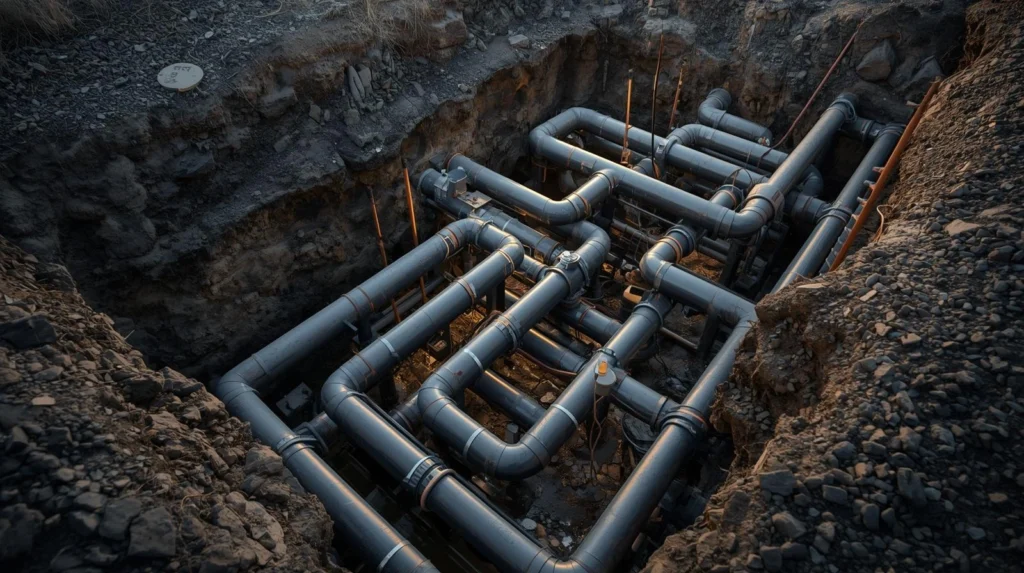
Have you ever wondered how cities manage their waste and prevent flooding during heavy rains? One solution that many urban areas are turning to is underground drainage systems, specifically those using HDPE (High-Density Polyethylene) piping.
Take Rawalpindi, for example. This bustling city, located in Pakistan, is faced with the challenge of ensuring efficient waste management for its growing population. Over the years, Rawalpindi has begun embracing HDPE underground drainage systems to address critical waste management and environmental concerns. These systems provide a long-lasting, sustainable solution to urban waste, all while being highly cost-effective.
In this article, we’ll dive into how Rawalpindi’s shift towards underground drainage HDPE systems is not only tackling waste management issues but also improving public health and the environment. By the end of this post, you will have a clear understanding of the benefits of these systems and why they are becoming a staple in modern city planning.
What Is Underground Drainage, and Why Is It Important for Rawalpindi?
What is Underground Drainage?
Underground drainage refers to the network of pipes installed beneath the surface to carry wastewater and stormwater away from residential and commercial areas. Unlike traditional surface drainage, which is visible and prone to blockages and flooding, underground systems are discreet and much more reliable.
These systems include large networks of pipes, treatment facilities, and outlets designed to efficiently handle waste. The primary goal is to safely dispose of wastewater without harming the environment or public health.
Why Rawalpindi Needs Underground Drainage
Rawalpindi, with its growing population and rapid urbanization, faces several challenges in managing waste. Traditionally, the city’s surface drainage systems were prone to overflowing during the monsoon season, causing waterlogging and spreading diseases. The increased urbanization exacerbates these issues, creating a dire need for more efficient, sustainable drainage systems.
A modern underground drainage system, particularly using HDPE pipes, is a key solution. These systems help keep the streets dry, reduce the risk of contamination, and maintain a clean and healthy environment for residents.
What Makes HDPE the Ideal Material for Rawalpindi’s Underground Drainage System?
Durability and Longevity
HDPE (High-Density Polyethylene) pipes are known for their remarkable durability. In fact, they can last for decades without succumbing to common problems such as corrosion, cracking, or breakage. This is particularly beneficial in a city like Rawalpindi, where aging infrastructure has previously posed significant challenges.
HDPE is highly resistant to chemical and environmental damage, making it the perfect material for underground drainage, which is exposed to various elements like water, soil, and waste. The pipes’ lifespan ensures that Rawalpindi’s drainage system will remain functional and effective for years to come, offering long-term value for the city’s residents.
Flexibility and Strength
HDPE pipes are not only durable but also flexible. This is a significant advantage in a city where the soil is often unstable or subject to shifting due to construction activity. The flexibility of HDPE pipes allows them to adjust to the movements in the soil, reducing the risk of fractures and breaks that commonly occur with more rigid piping materials.
Moreover, HDPE pipes are designed to withstand high pressures, making them suitable for handling both wastewater and stormwater, which can vary in volume depending on the season.
Cost-Effectiveness
One of the primary advantages of HDPE pipes is their cost-effectiveness. Despite being highly durable, HDPE pipes are relatively inexpensive compared to other materials, such as concrete or steel. The reduced cost of installation and maintenance has made them the go-to choice for municipal drainage systems in Rawalpindi, especially as the city works to modernize its infrastructure while keeping budget constraints in mind.
How Do HDPE Underground Drainage Systems Prevent Flooding in Rawalpindi?
Flood Prevention and Stormwater Management
Rawalpindi has been particularly vulnerable to flooding during the monsoon season, causing widespread damage to homes, businesses, and roads. The installation of HDPE underground drainage systems plays a critical role in improving the city’s stormwater management.
The HDPE pipes are engineered to carry a large volume of water, reducing the likelihood of surface water accumulation during heavy rainfall. As water flows efficiently through these pipes, the drainage system prevents the streets from flooding, which not only safeguards infrastructure but also helps maintain public health by reducing waterborne diseases.
Case Study: Rawalpindi’s Localized Flooding Issue
In 2018, Rawalpindi witnessed severe flooding after a particularly heavy monsoon season. The city’s surface drainage was overwhelmed, leading to property damage and public health risks. This event underscored the urgency of upgrading Rawalpindi’s drainage infrastructure. By 2021, the local government had begun implementing HDPE underground drainage systems, which have significantly reduced flooding risks in high-density areas.
What Are the Environmental Benefits of Underground HDPE Drainage Systems?
Minimizing Water Pollution
Rawalpindi, like many other cities, faces the challenge of water pollution, primarily due to improper waste disposal. When stormwater and wastewater are not properly managed, they often end up in local water bodies, contaminating them and harming the ecosystem.
HDPE pipes ensure that waste is safely channeled away from residential and commercial areas, preventing direct contamination of water bodies. This system helps to maintain a cleaner environment and supports sustainable urban growth.
Pro Tip: Sustainable Practices for Waste Management
One actionable takeaway for municipalities or businesses in Rawalpindi is to explore additional sustainability efforts alongside the implementation of HDPE drainage systems. This could include promoting waste separation at the source and implementing eco-friendly wastewater treatment methods to complement the drainage infrastructure.
Case Study: Clean Rivers Initiative
In 2022, the Rawalpindi local government partnered with environmental organizations to launch the “Clean Rivers Initiative,” aiming to reduce water contamination from the city’s drainage systems. As part of the initiative, the installation of HDPE underground drainage systems was prioritized, leading to cleaner rivers and improved public health.
How Can Rawalpindi Businesses Benefit from the HDPE Drainage System?
Enhanced Public Health and Business Productivity
With improved waste management comes enhanced public health, which directly benefits local businesses. Cleaner streets and fewer waterborne diseases can lead to fewer disruptions in business operations, fewer sick days for employees, and a better overall work environment. For businesses in Rawalpindi, investing in areas with advanced drainage systems ensures that operations are not hindered by issues like flooding or poor sanitation.
Pro Tip: Investing in Commercial Properties Near Updated Infrastructure
For entrepreneurs and business owners, understanding the long-term benefits of investing in areas with updated infrastructure like HDPE drainage systems is crucial. Not only will it improve the business environment, but it also adds long-term value to commercial properties.
How Is Rawalpindi Implementing HDPE Drainage Systems?
A Step Toward Modern Urbanization
Rawalpindi has recognized the importance of modernizing its infrastructure to keep pace with urbanization. The local government has collaborated with engineering firms to design and install HDPE underground drainage systems across key residential and commercial areas. As of 2024, several neighborhoods have already seen significant improvements in their waste management systems, which has contributed to cleaner streets, healthier communities, and fewer disruptions caused by flooding.
Expert Insight: The Role of Public-Private Partnerships
One of the keys to successfully implementing HDPE systems has been the collaboration between the public and private sectors. Engineering firms that specialize in HDPE installation have partnered with local authorities, providing both technical expertise and the resources needed to deploy these systems efficiently. This public-private collaboration model serves as an example for other cities looking to modernize their infrastructure.
Conclusion: The Future of Waste Management in Rawalpindi
In conclusion, Rawalpindi’s investment in underground HDPE drainage systems represents a crucial step toward ensuring efficient waste management, flood prevention, and environmental sustainability. These systems offer long-lasting, cost-effective solutions that directly benefit businesses, residents, and the city’s overall growth.
As Rawalpindi continues to modernize its infrastructure, businesses, and citizens alike must embrace these changes for a cleaner, healthier, and more prosperous future. If you’re a business owner or urban planner, it’s time to consider how these drainage innovations can benefit your community and bottom line.
FAQs:
What is the cost of installing an underground HDPE drainage system in Rawalpindi?
The cost varies based on the area’s size and the complexity of installation. Generally, HDPE systems are cost-effective due to lower material and maintenance costs compared to other materials. Contact local suppliers for quotes specific to your area.
How long do HDPE drainage pipes last?
HDPE pipes can last 50 years or more, depending on the installation conditions and maintenance practices, making them an excellent long-term investment.
Are HDPE drainage systems environmentally friendly?
Yes, HDPE pipes are recyclable and reduce water pollution by effectively managing stormwater and wastewater, contributing to cleaner waterways.
How does Rawalpindi manage stormwater with underground drainage?
Rawalpindi’s HDPE drainage systems are designed to carry large volumes of stormwater, reducing the risk of flooding and preventing surface water accumulation during heavy rains.
Can businesses in Rawalpindi benefit from upgraded drainage systems?
Yes, businesses benefit from cleaner streets, fewer disruptions, and better public health, leading to enhanced productivity and long-term property value.
Is it possible to retrofit old drainage systems with HDPE pipes?
Yes, older drainage systems can often be retrofitted with HDPE pipes, improving their functionality without the need for complete overhauls.
How does the government ensure that the installation is successful?
The government partners with engineering firms to ensure proper installation, and regular inspections are conducted to maintain the efficiency of the drainage system.