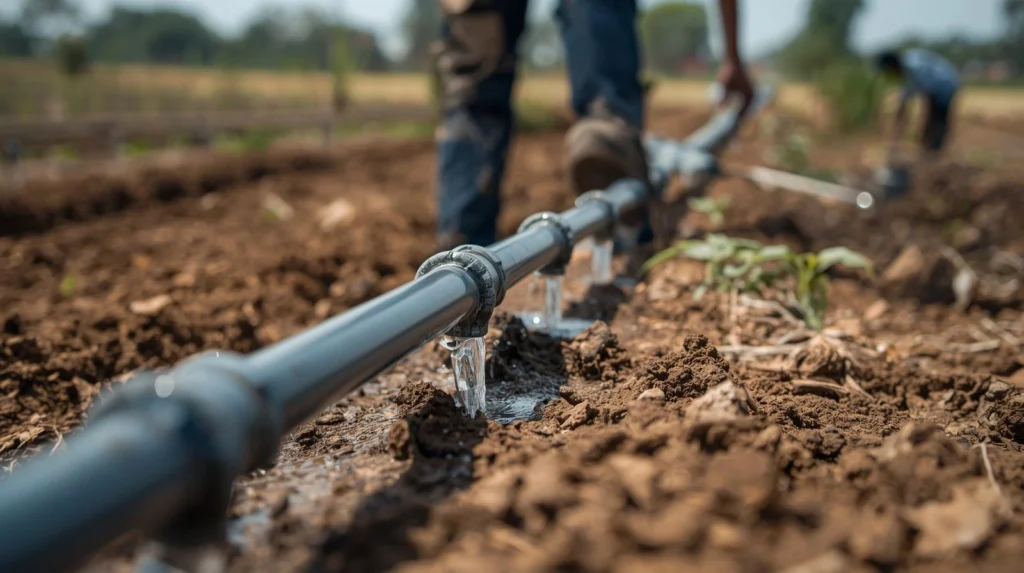
How Plastic Pipes are Transforming Agriculture in Pakistan
Have you ever wondered how farmers in Pakistan are managing to optimize their water usage in the face of a growing water crisis? With water scarcity becoming an increasing concern in agricultural regions, innovative solutions like drip irrigation are helping farmers conserve water while boosting crop yields. One of the unsung heroes of this agricultural revolution is the use of plastic pipes, particularly HDPE pipes, which have proven to be an ideal solution for drip irrigation systems.
This blog will explore how plastic pipes are playing a vital role in revolutionizing drip irrigation in Pakistan. By the end, you will understand the advantages these pipes bring to agriculture, as well as how they can help you optimize irrigation systems for your farm or business.
1. Why Drip Irrigation is a Game-Changer for Pakistan’s Agriculture
What is Drip Irrigation?
Drip irrigation is a highly efficient method of watering crops where water is delivered directly to the roots of plants, minimizing water wastage and reducing evaporation. This method has gained immense popularity in regions like Pakistan, where water conservation is crucial for sustaining agricultural productivity.
Why is Drip Irrigation Important in Pakistan?
Pakistan is facing severe water shortages, with 80% of its water used for agriculture. The country is heavily reliant on canal irrigation systems, which are inefficient and suffer from high evaporation rates. Drip irrigation offers a more sustainable solution by delivering water directly to plants’ roots, ensuring better water utilization.
Pro Tip: The application of drip irrigation can reduce water usage by up to 50%, making it a vital tool for Pakistani farmers.
2. The Advantages of Plastic Pipes for Drip Irrigation
Durability and Flexibility
Plastic pipes, especially HDPE pipes, have revolutionized the drip irrigation industry due to their excellent durability and flexibility. These pipes are resistant to corrosion, UV rays, and high temperatures, making them ideal for outdoor use in Pakistan’s harsh climates. Unlike traditional metal pipes, plastic pipes do not rust, ensuring long-term reliability for irrigation systems.
Cost-Effectiveness
Plastic pipes are relatively inexpensive compared to alternatives like PVC or metal pipes. They offer a cost-effective solution for large-scale irrigation projects, making them accessible for farmers with limited budgets.
Lightweight and Easy to Install
The lightweight nature of plastic pipes makes them easy to handle and install, which can significantly reduce labor costs. Their flexible design also allows them to be easily maneuvered around obstacles in the field.
Expert Insight: Using plastic pipes in drip irrigation systems can significantly lower installation costs by reducing labor and transportation expenses.
3. HDPE Pipes: The Preferred Choice for Drip Irrigation Systems
What Makes HDPE Pipes Ideal for Drip Irrigation?
HDPE (High-Density Polyethylene) pipes are widely considered the best option for drip irrigation systems. Their high strength-to-density ratio, resistance to chemicals, and low thermal expansion make them highly effective for agricultural applications.
Benefits of HDPE Pipes:
- Resistance to cracking and breaking, even under pressure
- Long lifespan of up to 50 years or more
- Low friction, ensuring water flows smoothly through the system
- Excellent resistance to UV light, which is crucial for outdoor usage
Real-World Example: HDPE Pipes in Pakistan’s Agriculture
In Punjab, Pakistan, farmers have switched to HDPE pipes for drip irrigation systems to combat the region’s water shortage. This transition has helped reduce water consumption by 40% while increasing crop yields by 20%.
4. Drip Irrigation Systems: How Plastic Pipes Make Them Efficient
How Do Drip Irrigation Systems Work?
Drip irrigation involves a network of pipes, emitters, and valves that release water directly to the soil near plant roots. The system is typically connected to a water source and is designed to deliver small, controlled amounts of water over an extended period.
Pro Tip: Properly designed drip irrigation systems can water plants for days without over-saturating the soil, ensuring optimal crop health.
How Plastic Pipes Enhance Efficiency
Plastic pipes are essential components of drip irrigation systems, as they form the network that delivers water to the crops. The flexibility and low-cost nature of these pipes allow for precise water delivery, reducing the risk of over-irrigation and water wastage.
Actionable Takeaway: When designing a drip irrigation system, ensure the pipes are laid out to provide uniform water distribution, taking into account the size and spacing of crops.
5. Addressing Challenges in Drip Irrigation with Plastic Pipes
Common Problems with Traditional Drip Irrigation Systems
While drip irrigation is a highly efficient method, traditional systems often face challenges such as clogging, inconsistent water distribution, and damage to pipes from environmental factors. Plastic pipes address many of these issues with their resistance to clogging and ability to withstand harsh weather conditions.
How Plastic Pipes Solve These Issues
Plastic pipes, particularly HDPE, are less prone to clogging compared to older metal pipes, as they don’t corrode. Additionally, their durability ensures they can withstand the wear and tear caused by UV exposure, extreme temperatures, and physical damage, making them a long-term solution for irrigation.
6. Cost-Benefit Analysis: Is Drip Irrigation with Plastic Pipes Worth the Investment?
Upfront Costs vs Long-Term Savings
While the initial setup of a drip irrigation system with plastic pipes may seem expensive, the long-term savings in water and labor costs make it a worthwhile investment. Farmers in Pakistan have reported significant reductions in water bills and labor costs after switching to plastic pipe-based drip systems.
Pro Tip: Look for government subsidies or grants that promote sustainable agriculture, which may offset the upfront costs of installing drip irrigation systems.
Conclusion: The Future of Agriculture in Pakistan
The use of plastic pipes, especially HDPE, in drip irrigation systems is transforming agriculture in Pakistan. By offering durability, cost-effectiveness, and flexibility, plastic pipes have become an essential tool in helping farmers tackle water scarcity and increase crop yields.
As water becomes an increasingly valuable resource, drip irrigation with plastic pipes offers a sustainable solution that benefits both farmers and the environment. If you’re involved in agriculture, investing in this technology could be a game-changer for your farming operations.
FAQ Section
Q1: What is drip irrigation?
Drip irrigation is a method where water is delivered directly to the plant roots through a network of pipes, minimizing waste and ensuring efficient water use.
Q2: Why are plastic pipes used in drip irrigation systems?
Plastic pipes, particularly HDPE, are durable, cost-effective, and resistant to corrosion and UV damage, making them ideal for use in drip irrigation systems.
Q3: How do HDPE pipes improve drip irrigation systems?
HDPE pipes provide better water flow, resistance to cracking, and a longer lifespan, ensuring more reliable and efficient irrigation.
Q4: Can drip irrigation systems with plastic pipes reduce water consumption?
Yes, drip irrigation systems can reduce water usage by up to 50% compared to traditional irrigation methods.
Q5: Are plastic pipes environmentally friendly?
Plastic pipes are an eco-friendly choice as they reduce water wastage and improve irrigation efficiency, helping conserve a precious resource.
Q6: How long do HDPE pipes last in drip irrigation systems?
HDPE pipes can last for over 50 years, making them a long-term investment for farmers.
Q7: What is the cost difference between HDPE and PVC pipes for drip irrigation?
HDPE pipes are typically more cost-effective than PVC pipes, especially in the long run, due to their durability and resistance to wear and tear.