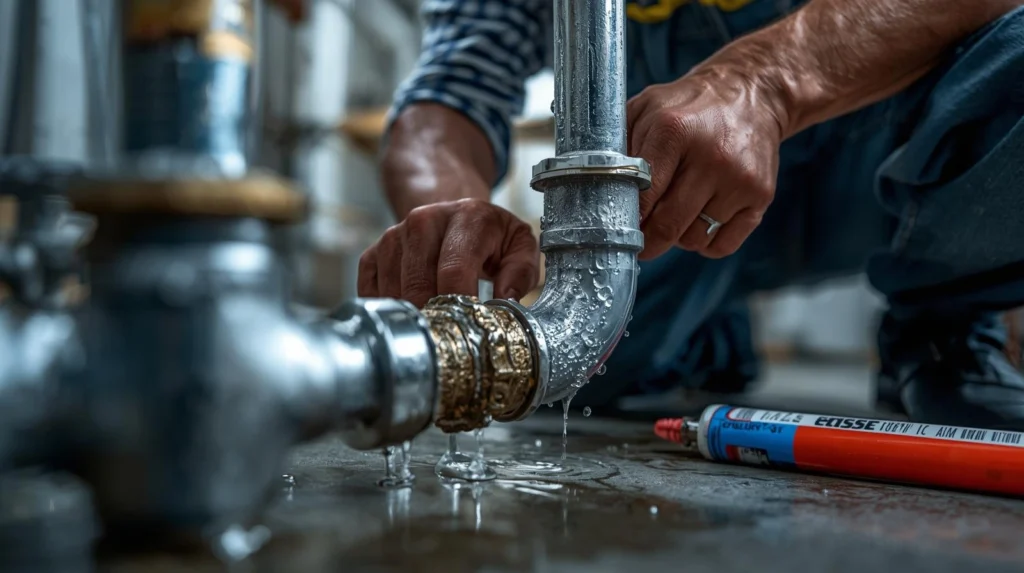
Picture this: you’re sitting in your office or home, and suddenly, you hear the unmistakable sound of water dripping. You rush to the source, only to find a pipe has sprung a leak, potentially flooding the room and causing extensive water damage. What do you do? Panic? No, take a deep breath and tackle the situation head-on. In this guide, you’ll learn exactly how to manage a pipe leak before a professional plumber arrives. From temporary fixes to safety precautions, we’ve got you covered.
Value Proposition: This step-by-step guide will help you control the situation, minimize damage, and prevent costly repairs by applying some immediate and simple fixes until the plumber arrives.
Why It’s Important to Act Quickly in an Emergency Pipe Leak
Water leaks can escalate into a full-blown emergency if not addressed quickly. Aside from damaging your property, water can weaken the structure of your home, foster mold growth, and lead to costly repair bills. Research shows that a leaking pipe can cause up to $6,000 in damage if left unattended for an extended period. However, taking action quickly can save you from the worst-case scenario.
1. Identify the Source of the Leak
The first thing you need to do when facing a pipe leak is to identify its source. This is crucial because knowing where the leak is coming from will guide you toward the best temporary fix.
Step 1: Turn Off the Water Supply
Before anything else, you must stop the flow of water. Locate your main water valve and turn it off. If you’re unable to locate it, look for a valve close to the leaking pipe, such as under the sink or in the basement.
Step 2: Find the Leak
Look closely at the leaking area. If you can’t pinpoint the exact spot, follow the trail of water to locate where it’s coming from. A small leak may appear as just a trickle or dampness, while larger leaks may lead to a puddle or water stains on the floor or ceiling.
Step 3: Assess the Severity
Once you’ve found the leak, assess how severe it is. If it’s a small drip, you may be able to patch it temporarily, but if it’s a gushing leak, you’ll need to act more swiftly.
2. Gather the Tools for a Temporary Fix
Before you can attempt any repair, gather these essential tools:
- Plumber’s tape or duct tape: For a temporary fix, plumber’s tape (also known as Teflon tape) or heavy-duty duct tape can be used to seal small leaks.
- Rubber patch or hose clamp: If the pipe is cracked, a piece of rubber and a hose clamp can help seal it for the short term.
- Pipe repair kit: Available at most hardware stores, pipe repair kits usually contain rubber sleeves and sealing material to temporarily stop leaks.
- Buckets or towels: These will help contain the water that is spilling out from the pipe.
3. Applying a Temporary Fix to the Leak
With the necessary tools at hand, it’s time to apply a temporary fix.
Step 1: For Small Leaks (Under Low Pressure)
- Use Plumber’s Tape or Duct Tape: If the leak is small and not under high pressure, you can wrap plumber’s tape around it. This tape creates a watertight seal that can last for a few hours.
- Rubber Patch with Hose Clamp: For slightly larger leaks, you may need to wrap the affected area with a piece of rubber from an old hose or belt. Secure it tightly with a hose clamp.
Step 2: For Larger Leaks (Under High Pressure)
- Pipe Repair Kit: If the leak is large or under high pressure, use a pipe repair kit. These typically include a rubber sleeve or collar that can be wrapped tightly around the damaged area. Some kits come with fasteners to secure it in place.
4. Drain the Pipes Before the Plumber Arrives
If you’re dealing with a significant leak, draining the remaining water in the pipes can reduce the pressure and prevent more water from gushing out.
Step 1: Open Faucets
Go to the highest faucet in your home and turn it on to drain the water out of the pipes. Then, move to lower levels of the home and do the same. This will release any remaining water pressure.
Step 2: Clear Water from the Affected Area
Use a bucket, towels, or a wet vac to clear up the water around the leak. This will minimize water damage to your floors, walls, and furniture.
High-Quality Pipes & Fittings – Built to Last
5. Inspect and Document the Leak for the Plumber
When the plumber arrives, they’ll need to know what they’re dealing with. Take photos or make notes about the leak’s location, severity, and any temporary fixes you applied.
Step 1: Take Photos
Document the damage with pictures. This will help your plumber understand the extent of the leak and the repairs that will be necessary. These photos may also be useful for insurance claims.
Step 2: Write Down Key Information
Write down the following details:
- The type of pipe (copper, PVC, etc.)
- The location of the leak
- Any temporary repairs you’ve done
- Any other relevant details (e.g., the pressure of the water)
6. Call a Professional Plumber
Once the emergency steps are handled, it’s time to call in the professionals. While your temporary fixes may hold for a while, it’s essential to have a qualified plumber assess the situation and implement a permanent solution.
Expert Tips for Preventing Future Pipe Leaks
While you can’t always predict when a pipe will burst, you can take steps to reduce the risk of it happening in the future.
- Regular Inspections: Check for signs of wear and tear on pipes in areas like the basement, attic, and under-sink.
- Insulate Pipes: Especially in areas that experience freezing temperatures, insulate your pipes to prevent freezing and cracking.
- Avoid Pipe Blockages: Regularly clean your drains to avoid blockages, which can put pressure on pipes and cause leaks.
Conclusion
In an emergency pipe leak situation, staying calm and following the steps above can save you from significant damage. By turning off the water supply, applying a temporary fix, and preparing for the plumber’s arrival, you’ll buy yourself enough time to handle the situation effectively. Make sure to contact a professional for a long-term solution and to prevent future leaks from occurring.
Next Steps: Don’t wait until a leak happens again. Schedule a routine inspection of your plumbing system to avoid surprises and ensure your home stays safe and dry.
Frequently Asked Questions (FAQ)
Q1: What is the best temporary fix for a leaking pipe?
For small leaks, plumber’s tape or duct tape can be effective. For larger cracks, use a rubber patch with a hose clamp or a pipe repair kit.
Q2: How long can I leave a temporary pipe repair in place?
Temporary repairs should only last for a few hours to a day. Always call a plumber to make a permanent fix as soon as possible.
Q3: How can I prevent future pipe leaks?
Regularly inspect your pipes for wear and tear, insulate pipes in cold areas, and keep your drains clear to reduce the risk of blockages.
Q4: Should I attempt to repair a pipe leak myself?
If the leak is minor, you can attempt a temporary fix. However, for major leaks, always call a professional plumber to avoid further damage.
Q5: Can pipe leaks cause significant damage?
Yes, if left untreated, water leaks can cause substantial damage to your property, including mold growth and structural weakening. Act quickly to minimize the damage.