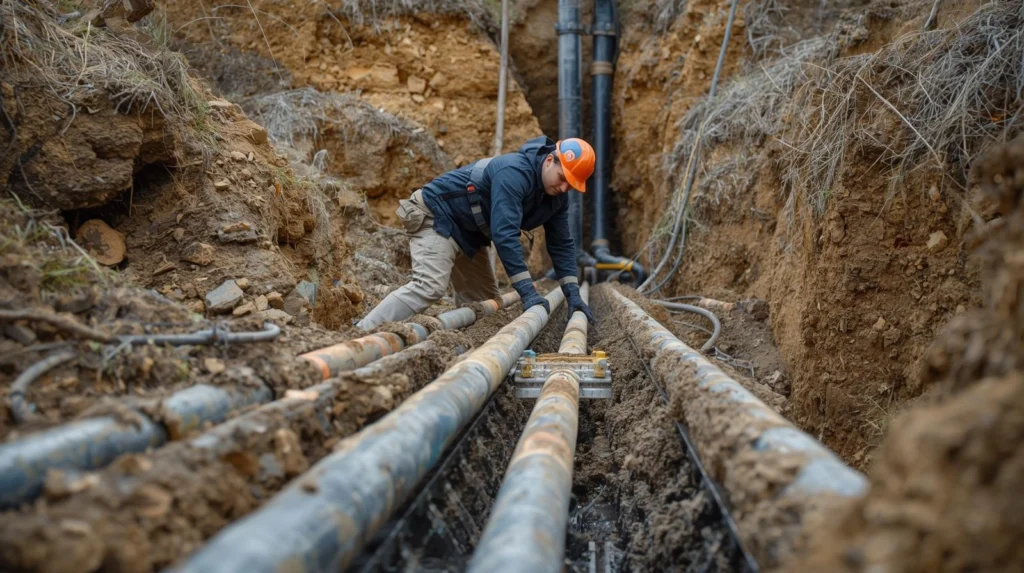
Have you ever wondered why some drainage systems fail prematurely, leading to costly repairs and inconvenient disruptions? The answer often lies in the foundational steps of drainage pipe installation—specifically trench bedding and pipe slope. These two factors are critical in ensuring that water flows correctly and the pipes remain intact for years. Yet, too often, they are overlooked in favor of more visible or complex aspects of installation.
In this guide, we will break down the importance of trench bedding and proper pipe slope for drainage systems. You’ll learn how these essential steps can prevent clogs, leaks, and costly maintenance, all while extending the lifespan of your system.
Why is Trench Bedding Critical for Drainage Systems?
What is Trench Bedding?
Trench bedding refers to the material placed at the bottom of the trench before the drainage pipes are installed. This layer is typically made of fine, compacted sand, gravel, or crushed stone, which provides a stable foundation for the pipes to rest on.
The Importance of Proper Bedding
Proper trench bedding is critical for several reasons:
- Prevents Pipe Shifting: Without a solid bedding layer, pipes can shift, causing misalignment, breaks, and leaks.
- Ensures Drainage Flow: The right bedding material ensures that water flows smoothly under and around the pipes.
- Protects from Ground Movement: It helps cushion pipes from external pressures like soil movement, freeze-thaw cycles, or heavy loads from vehicles or structures above.
Pro Tip: Always make sure the trench is free from sharp objects that could damage your pipes. A smooth, clean bedding layer ensures no unnecessary stress on the pipes.
What Role Does Slope Play in Drainage Pipe Installation?
Why Slope is Essential for Effective Drainage
The slope of the pipe plays a crucial role in the drainage process. If the slope is too shallow, water will not flow efficiently, leading to standing water and possible blockages. Conversely, an overly steep slope can result in water flowing too quickly, leaving solid debris behind, which leads to clogs.
Determining the Correct Slope
A general rule of thumb is a 1-2% slope, or approximately 1/8” per foot. This allows water to flow at a steady pace without causing erosion or blockages. However, the slope can vary depending on the pipe material, diameter, and the specific requirements of the drainage system.
Expert Insight: For larger projects or in areas with extreme weather conditions, consulting a professional engineer can help determine the optimal slope and ensure that the system performs effectively over the long term.
Common Mistakes in Trench Bedding and Slope
1. Inadequate Bedding Materials
Using unsuitable bedding materials, such as loose soil or organic matter, can result in shifting or compression, leading to drainage problems. Always use granular materials that can drain water and support the pipe structure.
2. Incorrect Slope
It might be tempting to skip checking the slope during installation, especially if you don’t have the right tools. But neglecting to ensure the proper slope can result in poor drainage, flooding, or a complete system failure.
Pro Tip: Invest in a laser level or digital inclinometer to check the slope accurately and avoid costly rework.
Best Practices for Trench Bedding and Slope
Choosing the Right Bedding Material
For optimal drainage, consider using materials like:
- Crushed Stone: Provides excellent drainage and stability for pipes.
- Gravel: A cost-effective option, though it may not drain as quickly as crushed stone.
- Sand: Works well for smaller pipes or areas with lighter load demands.
Avoid using soil or clay, which can hold water and put unnecessary pressure on your pipes.
Achieving the Right Slope
Ensure the slope is consistent throughout the installation. Check the gradient at several points in the trench to confirm the proper flow direction. Also, ensure that the slope is gradual to avoid water flowing too quickly and causing debris buildup.
Pro Tip: For larger installations, consider using a trenchless installation technique, which can help minimize disruption while maintaining the proper bedding and slope.
Real-World Case Studies
Case Study 1: A Successful Installation in a Residential Area
In a residential project, proper trench bedding and slope were crucial for the installation of a stormwater drainage system. The team used crushed stone for bedding and a 1% slope, ensuring that the system handled heavy rainfall without issues. The system has now been in place for over five years with minimal maintenance.
Case Study 2: A Failed System Due to Improper Bedding
A commercial property faced significant drainage issues within the first year of installing their system. The cause? Poorly selected bedding material that compacted over time, leading to misalignment of pipes and inefficient water flow. The company had to dig up the entire system and replace the bedding with a more suitable material.
Conclusion
The installation of drainage pipes may seem straightforward, but getting the basics right—such as trench bedding and proper slope—is crucial to ensure the system’s longevity and efficiency. By investing in quality materials and accurate installation techniques, you can avoid costly repairs and improve the performance of your drainage system.
If you’re planning a drainage pipe installation, always prioritize trench bedding and slope. Consider consulting with a professional to ensure your system performs optimally and provides long-lasting results.
High-Quality Pipes & Fittings – Built to Last
FAQ Section
1. Why is trench bedding important for drainage pipe installation?
Trench bedding supports the pipes and ensures they remain aligned and stable, preventing shifts and misalignments that could lead to leaks or blockages.
2. What material is best for trench bedding?
Gravel, crushed stone, and sand are the best materials for trench bedding, as they allow for proper drainage while providing stability.
3. How steep should the slope of a drainage pipe be?
A slope of 1-2% is ideal for most drainage systems, allowing water to flow efficiently without risking blockages or erosion.
4. Can incorrect slope cause drainage problems?
Yes, if the slope is too shallow, water may not flow effectively, leading to standing water and clogs. If it’s too steep, solid debris may be left behind, causing blockages.
5. How can I check the slope during installation?
Use tools like a laser level or digital inclinometer to accurately measure the slope and ensure it meets the required specifications.
6. What happens if bedding material is inadequate?
Inadequate bedding material, such as soil or clay, can compress over time, causing pipe shifts, misalignments, and ultimately drainage failures.
7. Can trenchless installation techniques help maintain proper bedding and slope?
Yes, trenchless installation minimizes disruptions and ensures accurate trench bedding and slope, providing a more efficient solution for larger drainage projects.