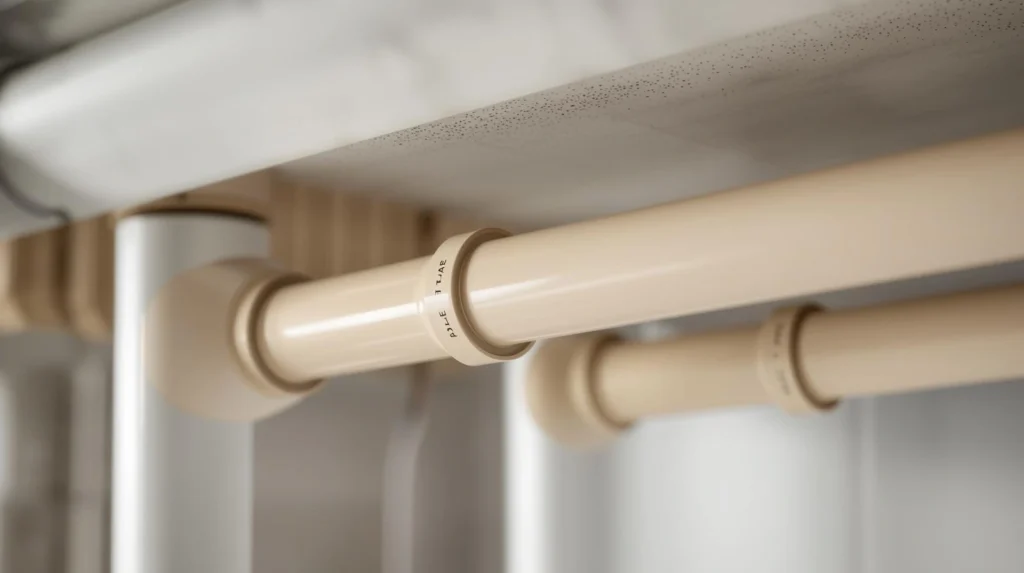
Have you ever wondered why the color orange is so closely associated with plumbing systems? While it might seem like a simple design choice, this distinctive hue is, in fact, a signature feature of CPVC pipes—a key innovation in hot water plumbing for modern homes.
As hot water systems evolve and homeowners demand greater reliability, efficiency, and safety, CPVC pipes have emerged as a popular solution. In fact, studies show that over 60% of new residential plumbing systems are utilizing CPVC pipes for hot water distribution due to their exceptional durability and cost-effectiveness.
So, why should you consider CPVC pipes for your home? Let’s explore their many benefits, from heat resistance to long-term reliability, and understand why they’re the future of hot water plumbing.
Why Are CPVC Pipes the Go-To Choice for Hot Water Systems?
What Exactly are CPVC Pipes?
Chlorinated Polyvinyl Chloride (CPVC) is a type of plastic piping material commonly used for both hot and cold water plumbing. It’s made by chlorinating the base PVC (polyvinyl chloride), making it more flexible, durable, and heat-resistant than its unchlorinated counterpart. Unlike traditional metal pipes, CPVC is lightweight, resistant to corrosion, and, crucially, capable of handling high temperatures—making it ideal for hot water systems.
How Do CPVC Pipes Compare to Other Hot Water Plumbing Materials?
When it comes to hot water distribution, CPVC pipes stand out for several reasons. Let’s compare them to traditional materials such as copper and PEX.
| Feature | CPVC | Copper | PEX |
| Heat Resistance | Up to 200°F | Up to 250°F | Up to 180°F |
| Corrosion Resistance | Excellent | Prone to corrosion | Prone to oxidation |
| Durability | Long-lasting | High durability | Durable but susceptible to punctures |
| Cost | Affordable | Expensive | Moderate |
| Installation | Easy to install | Complicated and labor-intensive | Easy to install |
As you can see, CPVC pipes offer a balance of heat resistance, affordability, and ease of installation, making them an excellent choice for modern homes.
What Are the Benefits of CPVC Pipes for Hot Water Systems?
1. Heat Resistance
CPVC pipes are engineered to withstand high temperatures, making them perfect for transporting hot water. Unlike PVC, which can warp under high heat, CPVC remains stable and reliable, even in systems that carry water up to 200°F. This feature ensures that your plumbing system will continue to function efficiently, even with frequent hot water use.
2. Corrosion Resistance
One of the most significant issues with traditional metal pipes is their tendency to corrode over time. This can lead to leaks, reduced water flow, and the need for expensive repairs. CPVC, however, is resistant to corrosion, preventing the buildup of mineral deposits and extending the lifespan of your plumbing system. This resistance is particularly beneficial in areas with hard water, where mineral deposits can quickly damage traditional pipes.
3. Affordable and Cost-Effective
CPVC pipes are highly affordable compared to copper and even PEX. They offer great performance without breaking the bank, making them a great choice for homeowners on a budget. The cost-effectiveness of CPVC extends beyond the initial installation, as they also require fewer repairs and maintenance over time due to their durability.
4. Easy Installation
Unlike metal pipes, which require specialized tools for cutting, threading, and joining, CPVC pipes are much easier to install. They can be easily cut with a simple pipe cutter and joined with solvent cement, significantly reducing labor costs and installation time. Whether you’re installing new plumbing or replacing old pipes, CPVC offers a straightforward solution.
5. Safety and Reliability
CPVC is non-toxic and has been tested to meet or exceed all plumbing codes and standards. It does not leach chemicals into the water supply, ensuring safe drinking water for your family. Moreover, CPVC is highly resistant to fire, making it a safe choice for your home’s plumbing needs.
Are CPVC Pipes Environmentally Friendly?
CPVC is not only a great option for your plumbing system but is also a more sustainable choice than many other materials. Since CPVC pipes are durable and long-lasting, they reduce the need for frequent replacements. This can help decrease the overall environmental impact of plumbing systems, as fewer pipes need to be manufactured, installed, and disposed of over time.
Additionally, CPVC pipes are recyclable, making them an eco-friendly option for homeowners who want to minimize their environmental footprint.
High-Quality Pipes & Fittings – Built to Last
Real-World Examples of CPVC Pipe Success
Example 1: Residential Homes
In a new housing development in Florida, CPVC was used for all hot water plumbing. Homeowners reported a 15% reduction in plumbing repair costs due to the durability and resistance of CPVC to corrosion and heat. The pipes also helped improve water flow and ensured consistent hot water temperatures.
Example 2: Commercial Use in Hotels
A hotel chain in California switched to CPVC pipes for its water heating systems. The transition not only cut down installation costs by 30% but also reduced maintenance expenses by 40% over the first five years, demonstrating the long-term cost savings of using CPVC in hot water applications.
Pro Tips for Installing CPVC Pipes in Hot Water Systems
- Ensure Proper Insulation: While CPVC pipes are heat-resistant, insulation is still important to prevent heat loss and improve energy efficiency.
- Use Compatible Fittings: Always use CPVC-specific fittings and solvent cement to ensure a proper seal and prevent leaks.
- Check Local Codes: Ensure that your installation follows local building codes for hot water systems, which might have specific requirements for material use.
Conclusion
CPVC pipes are undeniably shaping the future of hot water plumbing in modern homes. With their heat resistance, durability, and cost-effectiveness, they offer an ideal solution for homeowners seeking reliable and efficient hot water systems. If you’re planning to upgrade your plumbing or build a new home, CPVC should be at the top of your list.
By investing in CPVC pipes, you not only enhance the safety and functionality of your plumbing system but also contribute to long-term savings and sustainability. If you’re ready to make the switch, consult with a professional plumber to ensure proper installation and enjoy the many benefits CPVC has to offer.
FAQ
1. Can CPVC pipes handle boiling water?
CPVC pipes are designed to handle water temperatures up to 200°F, making them suitable for most hot water systems. However, they may not be ideal for water boiling at 212°F.
2. Are CPVC pipes resistant to UV damage?
CPVC pipes are UV resistant when installed indoors or protected from direct sunlight. For outdoor installations, additional UV protection is recommended.
3. How long do CPVC pipes last?
CPVC pipes have a lifespan of 50-70 years, making them a long-term investment for your plumbing system.
4. Can CPVC be used for both hot and cold water?
Yes, CPVC is suitable for both hot and cold water applications, offering flexibility in plumbing systems.
5. Is CPVC a good choice for homes with hard water?
Yes, CPVC pipes are resistant to corrosion, making them an excellent option for areas with hard water, where mineral buildup can damage other types of pipes.
6. Are CPVC pipes easy to repair?
Yes, CPVC pipes are relatively easy to repair. In most cases, they can be fixed using a simple pipe cutter and solvent cement for a tight seal.