When undertaking any construction project, whether it’s a residential home, a commercial building, or an industrial setup, the quality of the materials used plays a pivotal role in ensuring long-term durability, safety, and cost-efficiency. One of the most critical materials is piping, which forms the backbone of plumbing, drainage, heating, and many other systems. However, when it comes to purchasing pipes, contractors often face a range of challenges: how do you differentiate between high-quality and substandard pipes? What are the key factors to consider to ensure you’re buying the best?
This blog post will guide you through a comprehensive checklist for buying high-quality pipes, making sure your next piping purchase will meet industry standards, pass rigorous inspections, and provide longevity for the intended purpose.
1. What Are the Key Pipe Quality Standards?
Before you purchase any pipes, it’s essential to understand the key quality standards that apply to your specific project and location. These standards ensure that the pipes meet certain physical, mechanical, and chemical properties that guarantee durability, performance, and safety.
Industry Standards:
- ISO 4427: This international standard is often used for polyethylene (PE) pipes, detailing the specifications required for the pipes to be durable and resistant to pressure.
- ASTM F441/F441M: A standard for PVC pipes, used for plumbing and industrial applications. This ensures the pipes meet structural and chemical resistance requirements.
- EN 10255: A European standard for steel pipes, primarily used for water and gas applications.
- NSF/ANSI 61: Ensures that pipes used in potable water systems do not contain harmful chemicals that could leach into the water supply.
Pro Tip: Always verify that the pipes you’re buying comply with local regulations and certifications for safety and quality.
2. Pipe Material – Which One Is Right for Your Project?
The material of the pipe will determine its strength, flexibility, resistance to corrosion, and overall suitability for different types of plumbing systems. Contractors must assess the specific needs of their project before choosing the material. Here’s a breakdown of popular pipe materials and their advantages:
- PVC (Polyvinyl Chloride): Commonly used for residential plumbing due to its resistance to corrosion, ease of installation, and affordability. Ideal for cold water systems and drainage.
- HDPE (High-Density Polyethylene): Known for its flexibility and resistance to stress cracking, HDPE pipes are perfect for underground installations, especially in areas with shifting soil conditions.
- Copper: Known for its excellent thermal conductivity and corrosion resistance, copper is often used in high-temperature water systems and heating pipes.
- Steel: Ideal for high-pressure applications, steel pipes are durable but prone to rust. They are best used for gas lines or high-pressure fluid transport.
Pro Tip: Always consult with a structural engineer or plumbing expert to ensure you’re using the correct material for your application.
3. Pipe Durability – How to Inspect the Strength?
Durability is a non-negotiable feature when choosing high-quality pipes. A pipe’s ability to withstand extreme conditions, like high pressure, corrosion, or temperature fluctuations, directly impacts its performance.
Key Features to Check:
- Impact Resistance: Evaluate the pipe’s ability to withstand shock or sudden changes in pressure.
- Crack Resistance: This is especially important for pipes that will be exposed to external stress or freezing temperatures.
- Flexibility: Some pipes, like HDPE, are more flexible than others, which is crucial for projects involving underground or seismic conditions.
- Temperature Resistance: Ensure the pipe is rated for the temperature it will experience in the installation environment.
Pro Tip: Always ask for material test reports from suppliers to verify the pipe’s durability ratings against pressure and temperature.
4. Pipe Thickness and Wall Strength – Why Does It Matter?
The thickness of the pipe’s wall is essential for determining the pressure the pipe can safely handle. Thicker walls generally allow pipes to withstand higher pressure without failure.
What to Look for:
- Schedule Rating (for Steel & PVC pipes): This refers to the pipe wall thickness and pressure capacity. A higher schedule number means a thicker wall and better pressure tolerance.
- Pipe Diameter (for PE Pipes): The wall thickness should correspond to the pipe’s intended usage. Larger pipes require thicker walls to support higher volumes of water or gas.
Pro Tip: Be sure the wall thickness is suitable for your project’s specific needs, ensuring it can handle the expected pressure load.
5. Pipe Joints – How to Ensure Leak-Proof Installation?
Even the highest-quality pipe won’t perform well if the joints are poorly constructed or improperly sealed. Leaks are one of the most common and costly issues in pipe installations, leading to potential damage and additional maintenance costs.
Types of Pipe Joints:
- Threaded Joints (for Steel Pipes): A secure method that requires proper alignment and torque to avoid leakage.
- Fusion Welding (for HDPE): This involves heating the pipe edges and fusing them together, creating a seamless, durable joint.
- Gasket Joints (for PVC): Uses rubber gaskets to form an airtight seal, often used in underground or water systems.
- Solvent Cementing (for PVC and CPVC): This method involves chemically bonding the pipe and fitting together, creating a strong, leak-proof connection.
Pro Tip: Always inspect joints for any signs of damage or improper sealing. Even a small leak can lead to serious long-term issues.
6. Pipe Inspection – What Tests Should You Perform?
Once you’ve selected the right pipes, it’s critical to inspect and test them to confirm they meet all necessary standards before installation. Here are some common tests you should consider:
- Hydrostatic Testing: This is used to test the pressure resistance of pipes by filling them with water and applying pressure.
- Visual Inspection: Look for cracks, deformities, or any signs of manufacturing defects.
- Dimensional Inspection: Ensure the pipes match the required dimensions (diameter, length, and wall thickness).
Pro Tip: Consider performing these tests in collaboration with your supplier to ensure the pipes are certified for use in your project.
7. Price and Cost Considerations – How to Get the Best Value?
While quality is paramount, cost is always a consideration when purchasing pipes. Balancing quality with budgetary constraints is essential for ensuring you’re getting the best value for your investment.
Key Cost Considerations:
- Material Costs: Copper pipes tend to be more expensive than plastic pipes, while HDPE offers a balance between cost and durability.
- Installation Costs: Some pipes, like PVC, are easier and cheaper to install, while others, like steel, may require more skilled labor and specialized equipment.
- Maintenance and Longevity: Cheap pipes may require more frequent repairs, which can increase long-term costs.
Pro Tip: Don’t choose pipes based solely on upfront cost. Consider the total cost of ownership, including maintenance, installation, and longevity.
8. Supplier Reputation – Who Should You Buy From?
Finally, selecting a reputable supplier is key to ensuring you get high-quality pipes that adhere to standards. A trusted supplier will provide you with verified certifications, quality assurance, and the proper documentation for your project.
What to Look for in a Supplier:
- Certifications and Accreditations: Choose suppliers that comply with industry standards like ISO or NSF.
- Customer Reviews and Testimonials: Look for feedback from other contractors and businesses that have worked with the supplier.
- After-Sales Support: Ensure the supplier offers reliable customer service and technical support for issues during installation.
Pro Tip: Consider buying from suppliers with a proven track record in your industry, and always ask for a warranty or guarantee on the pipes.
Conclusion: The Checklist You Need
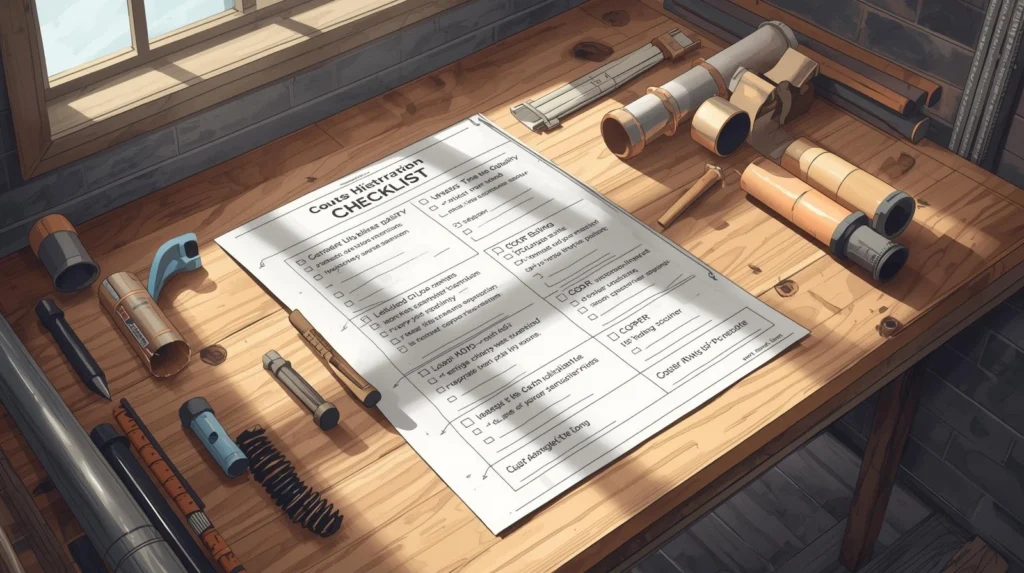
Buying high-quality pipes is a crucial step in any construction or renovation project. By following this comprehensive checklist, contractors can ensure they are choosing durable, reliable, and cost-effective pipes that will stand the test of time. From understanding material quality standards to selecting the right supplier, each element plays a vital role in ensuring the long-term success of your project.
Call to Action: Ready to purchase the best pipes for your next project? Use this checklist to evaluate your options and make informed decisions. Don’t hesitate to consult with your supplier for any additional questions and to verify certifications before placing your order.
High-Quality Pipes & Fittings – Built to Last
FAQ
1. How do I check if pipes are up to code?
Make sure the pipes you buy meet industry standards, including certifications like ISO or ASTM. Ask your supplier for documentation proving compliance.
2. What’s the best material for underground pipes?
HDPE is often the best choice for underground pipes due to its flexibility, resistance to cracking, and ability to handle soil movement.
3. How can I avoid leaks in pipe installations?
Choose high-quality joints and materials, perform thorough inspections, and consider using fusion welding for seamless, leak-proof connections.
4. Is it cheaper to buy pipes in bulk?
Buying in bulk can often lead to discounts, but ensure you’re not compromising on quality for the sake of cost. Always verify the materials before committing.
5. Can I test the pipes before installation?
Yes, performing hydrostatic tests, visual inspections, and dimensional checks will ensure the pipes meet the required standards before installation.