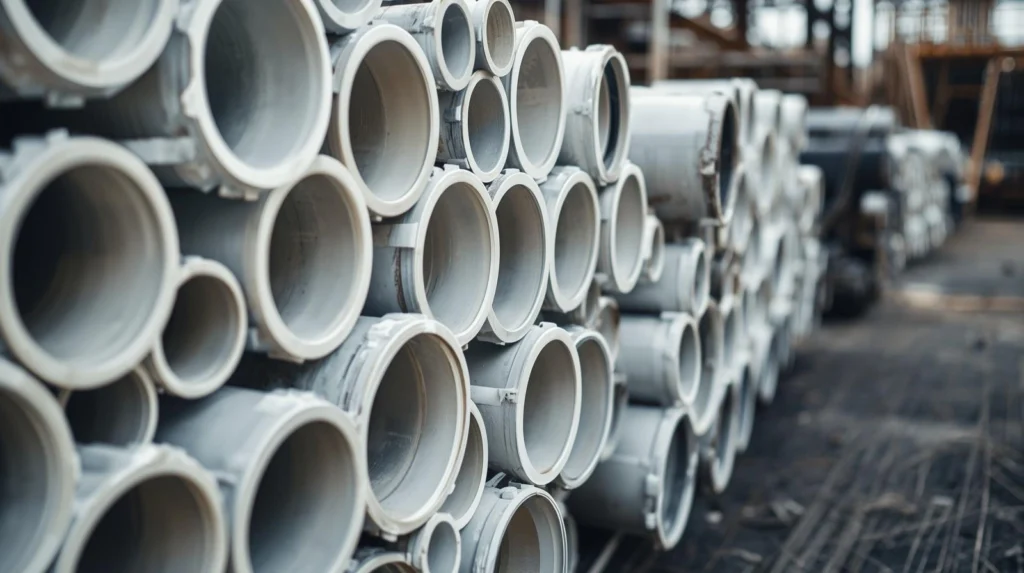
When it comes to construction materials, plastic pipes are often misunderstood. Despite their widespread use, several myths surround plastic pipes, particularly when compared to traditional materials like metal. These myths can cause hesitation or confusion for builders, contractors, and property owners. In this article, we’ll address and bust seven of the most common misconceptions about plastic pipes in construction.
1. Plastic Pipes Are Not Durable
Myth: Plastic pipes are fragile and easily damaged.
Busted: One of the most persistent myths is that plastic pipes, particularly those made from PVC and HDPE (High-Density Polyethylene), are not durable enough for construction purposes. While it’s true that plastic pipes are lighter than metal pipes, this doesn’t mean they are fragile. In fact, modern plastic pipes are incredibly durable and resistant to corrosion, cracking, and wear and tear.
PVC pipes, for example, are known for their high impact resistance, and HDPE pipes are flexible enough to withstand pressure and thermal changes without compromising their integrity. These pipes can also last for decades if installed properly, offering a long lifespan even in harsh conditions.
Pro Tip: Always ensure that you’re using the correct type of plastic pipe for your specific application. HDPE is ideal for underground and high-pressure systems, while PVC is great for plumbing and drainage.
2. Plastic Pipes Are Not Suitable for Hot Water
Myth: Plastic pipes can’t handle high temperatures.
Busted: While it’s true that certain plastics have limits when it comes to temperature, modern plastic pipes such as CPVC (Chlorinated Polyvinyl Chloride) are specifically designed to handle hot water applications. CPVC pipes are resistant to temperatures as high as 200°F (93°C), making them a perfect fit for hot water systems.
On the other hand, traditional PVC pipes are not recommended for hot water applications due to their lower temperature tolerance. However, materials like CPVC or PEX (Cross-Linked Polyethylene) are excellent alternatives when hot water systems are required.
Expert Insight: Always verify the temperature rating of the plastic pipe you’re using to ensure it’s suitable for the intended application.
3. Plastic Pipes Are Not As Strong As Metal
Myth: Metal pipes are always stronger and more reliable.
Busted: The strength of a pipe depends on its material, design, and intended purpose. While metal pipes may be stronger in terms of weight and pressure handling, plastic pipes like HDPE and PVC offer superior strength in certain applications due to their resistance to corrosion and high tensile strength.
HDPE pipes, for example, are often used in high-pressure water systems and gas transportation because they can withstand significant stress without cracking or breaking. Additionally, plastic pipes do not rust or corrode over time, making them more reliable than metal pipes in many situations.
Case Study: A large-scale municipal project in California switched to HDPE pipes for its water distribution system, reducing maintenance costs and improving the longevity of the system.
4. Plastic Pipes Are Bad for the Environment
Myth: Plastic pipes harm the environment and cannot be recycled.
Busted: While plastic waste is a significant environmental concern, modern plastic pipes are often made from recyclable materials such as PVC and HDPE. These pipes can be recycled and reused, which helps reduce their environmental impact.
In fact, plastic pipes can be more eco-friendly than metal pipes in many ways. They require less energy to produce, and their lighter weight reduces transportation-related emissions. Furthermore, plastic pipes are often used in sustainable building projects due to their longevity and minimal maintenance needs.
Pro Tip: When replacing old plastic pipes, make sure to recycle them properly through designated channels.
5. Plastic Pipes Are Expensive
Myth: Plastic pipes are more expensive than metal alternatives.
Busted: The initial cost of plastic pipes can sometimes be higher than that of basic metal pipes, but when you consider the total cost of ownership, plastic pipes offer significant savings. This is because plastic pipes are lightweight, reducing labor and transportation costs. Additionally, they are resistant to corrosion and scale buildup, which minimizes the need for repairs and maintenance over time.
For example, HDPE pipes have a higher upfront cost compared to some metal pipes, but their durability and low maintenance requirements provide significant savings over their lifespan.
Expert Insight: While plastic pipes may have a slightly higher initial cost, they can lead to a much lower total lifetime cost, making them a more cost-effective choice in the long run.
6. Plastic Pipes Are Difficult to Install
Myth: Installing plastic pipes is complicated and requires specialized skills.
Busted: Plastic pipes are actually easier and faster to install compared to their metal counterparts. Thanks to their lightweight nature, plastic pipes are easier to handle and maneuver, reducing labor costs. Many plastic pipes, such as PVC and PEX, also come with simple jointing systems that require no welding or threading, making them easy for even less experienced installers to manage.
PEX, for instance, uses push-fit or crimp connections, which can be done without the need for any special tools or equipment.
Pro Tip: Always follow the manufacturer’s installation guidelines to ensure proper handling and secure fittings.
7. Plastic Pipes Are Not Fire-Resistant
Myth: Plastic pipes are highly flammable and pose a fire risk.
Busted: While it’s true that plastic materials can catch fire under extreme conditions, modern plastic pipes are engineered with fire-resistant properties. For example, CPVC is designed to withstand higher temperatures and is often used in fire sprinkler systems due to its inherent fire-resistant qualities.
However, it’s important to choose the right type of plastic pipe for your specific application. For example, in areas that require high fire resistance, CPVC or fire-retardant versions of PEX should be used.
Case Study: CPVC pipes are commonly used in commercial buildings’ fire suppression systems due to their ability to withstand high temperatures without compromising safety.
Conclusion: Dispelling the Myths Around Plastic Pipes
Plastic pipes have become an essential part of modern construction due to their numerous benefits, including durability, cost-effectiveness, and ease of installation. While there are many misconceptions surrounding plastic pipes, understanding the truth behind these myths can help you make informed decisions when it comes to choosing materials for your construction project.
By busting these common myths, we hope to empower you to explore the full potential of plastic pipes in your construction projects. They offer incredible long-term value and performance, making them a top choice for many builders and contractors.
Call to Action: If you’re ready to incorporate plastic pipes into your next project, ensure you choose the right material for your needs. For guidance on selecting and installing plastic pipes, reach out to your trusted supplier or contractor today.
FAQ Section
1. Are plastic pipes suitable for outdoor installations?
Yes, plastic pipes such as HDPE are ideal for outdoor use due to their resistance to weathering, UV rays, and corrosion.
2. Can plastic pipes be used for gas lines?
Yes, HDPE pipes are commonly used for gas transportation due to their flexibility, strength, and resistance to leaks.
3. Do plastic pipes have a shorter lifespan than metal pipes?
No, plastic pipes like HDPE and PVC can last just as long, or even longer, than metal pipes if properly maintained.
4. Can plastic pipes handle freezing temperatures?
Certain types of plastic pipes, such as PEX, are designed to expand and contract, making them highly resistant to freezing temperatures.
5. Are plastic pipes resistant to chemicals?
Yes, plastic pipes like PVC and CPVC are highly resistant to a wide range of chemicals, making them suitable for chemical transport systems.